
Phone
+86 13230709299

English
English
Online



.png)
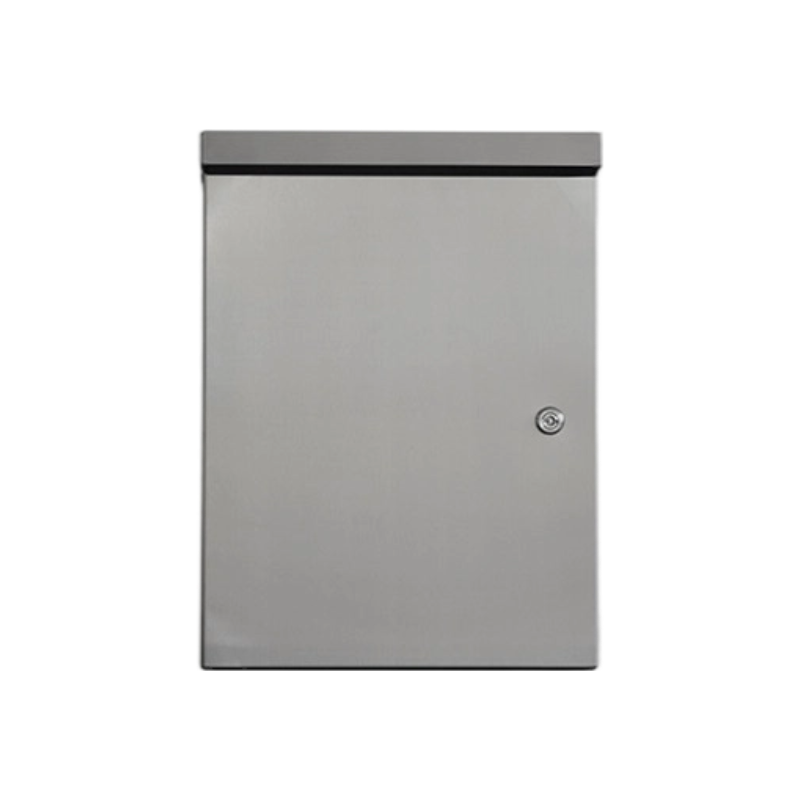
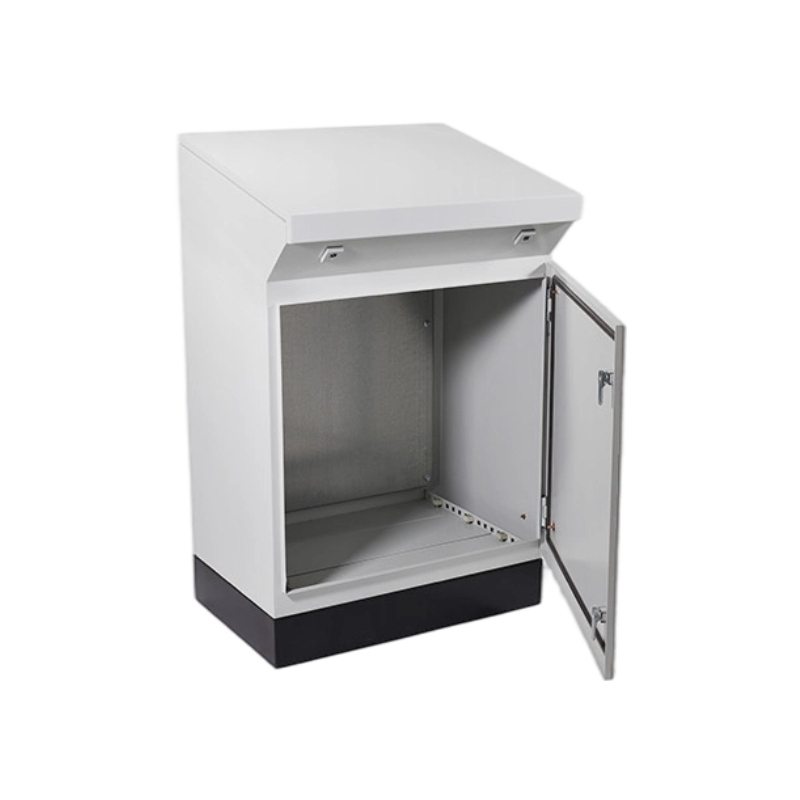
NEMA 5 Enclosure
Detailed Specifications
|
Parameter |
Specification |
|
Product Series |
NEMA 5 Enclosure / Indoor Dust-Tight Electrical Box |
|
Operating Environment |
Designed for indoor use (e.g., factories, warehouses, dusty industrial areas); not for outdoor use |
|
Dimensions |
Standard sizes available; custom cutouts and interior panels supported |
|
Materials |
Plastics, steel, aluminum alloy, etc. |
|
Protection Level |
Protects against falling dirt, flying debris, dust particles, and light moisture/condensation |
|
Key Configurations |
Continuously welded construction, high-seal gaskets, flush covers, latch mechanisms (viewing window optional) |
Process

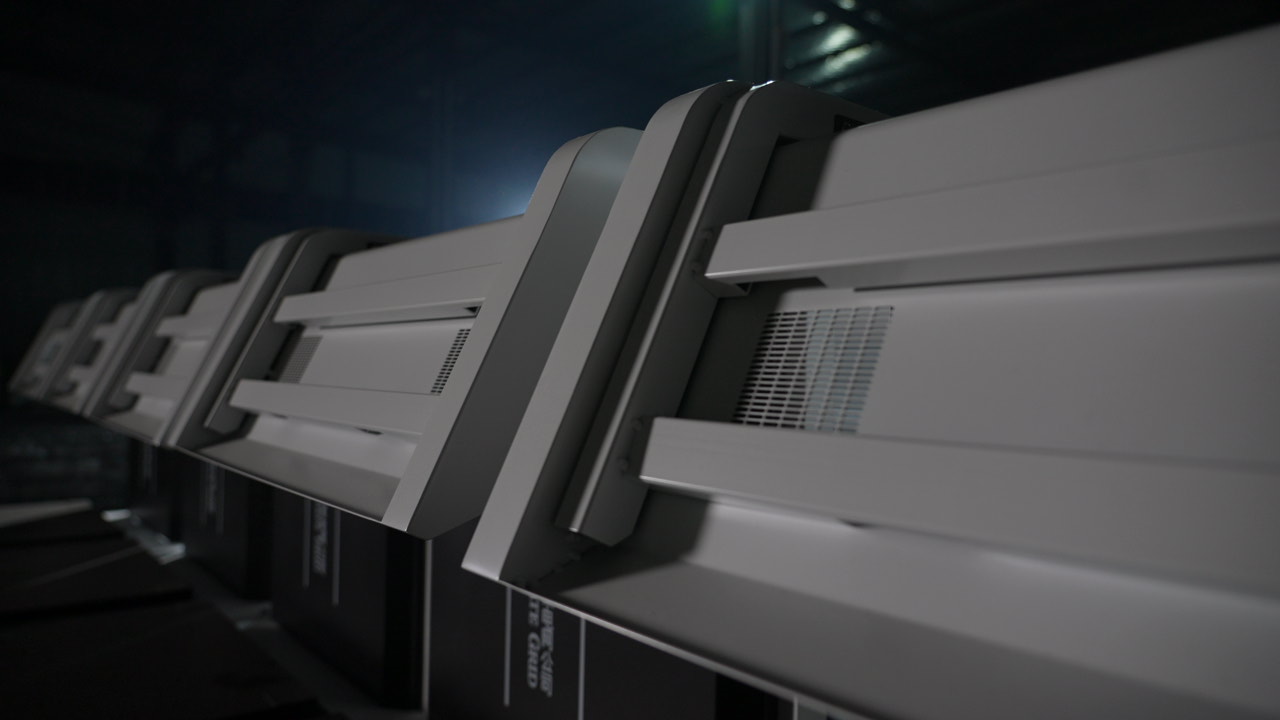
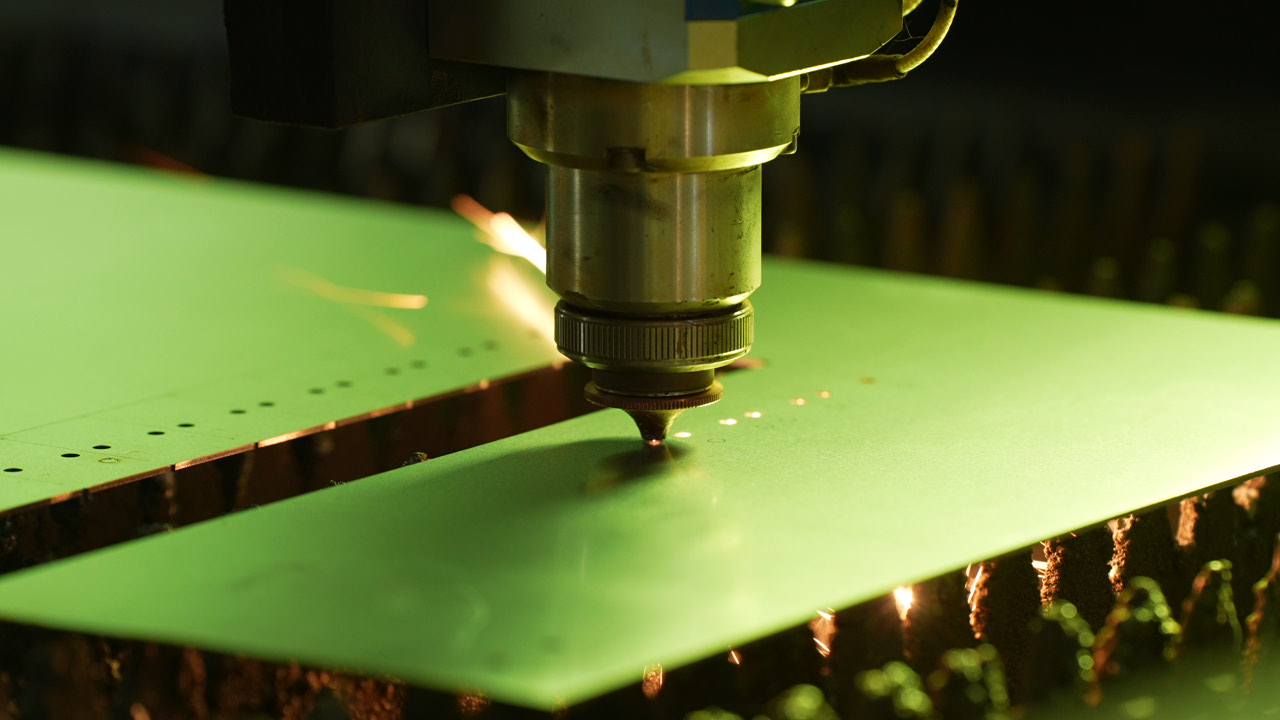
Laser Cutting
Dedicated nitrogen cutting ensures zero oxidation layer on every workpiece.

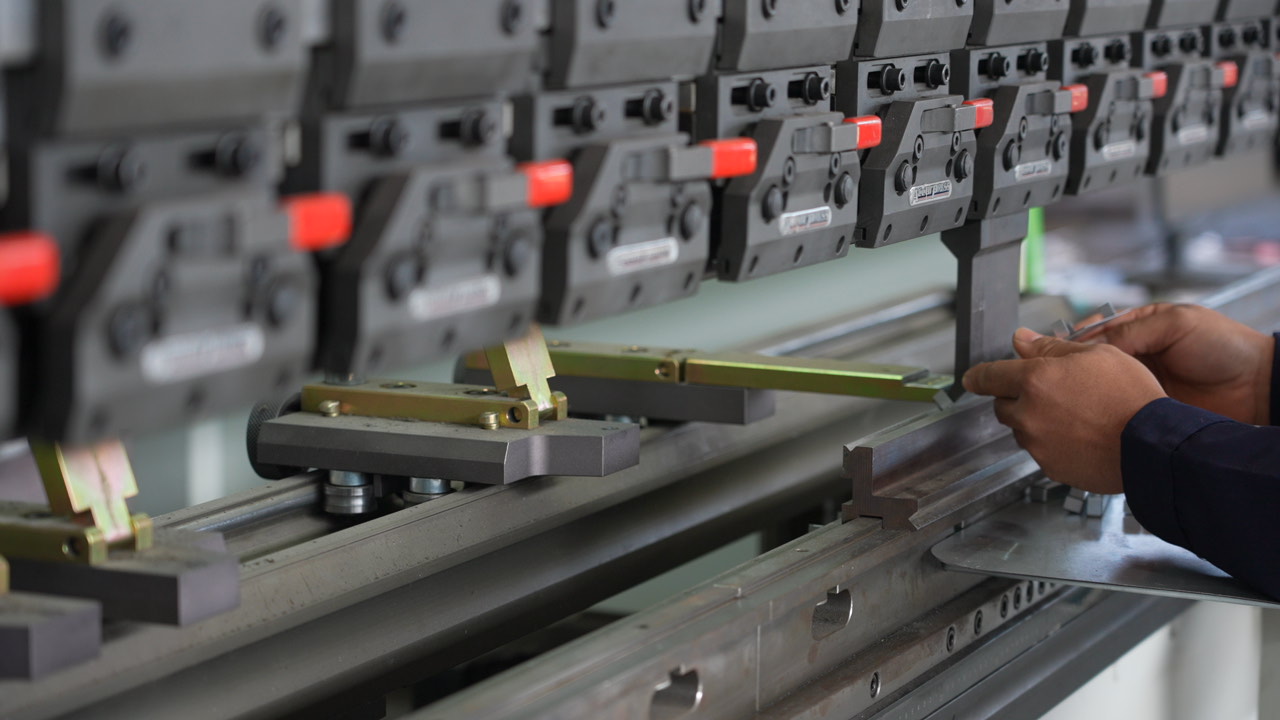
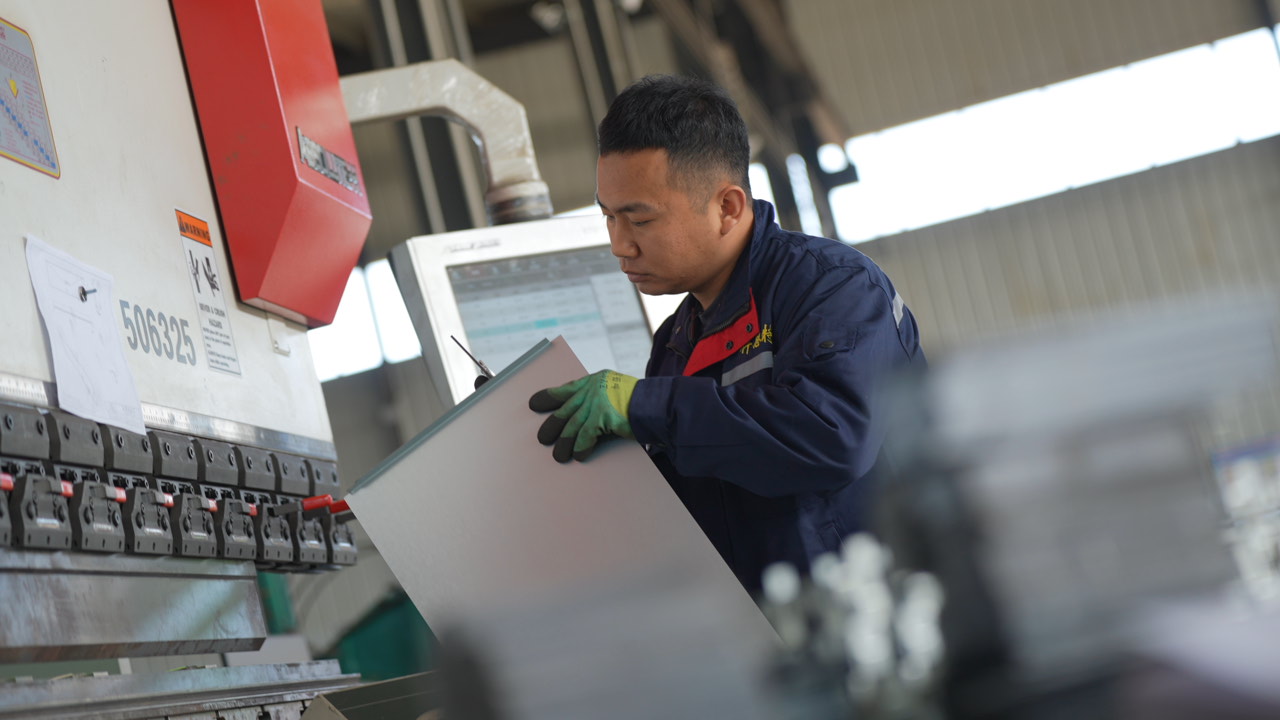
CNC Bending
Advanced equipment guarantees precision at every step.

Automated Welding
Standardized welding robots deliver 10x manual efficiency with higher, more stable quality.

Surface Finishing
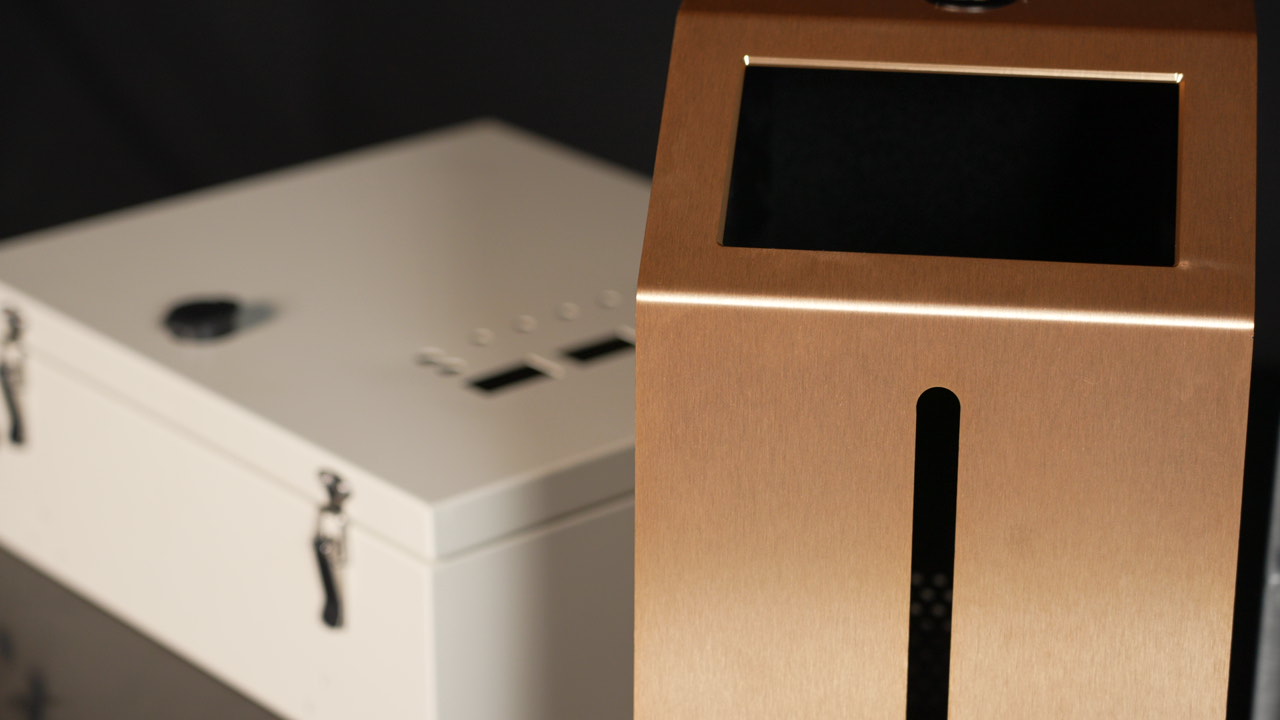
Options include as-machined, coating, surface treatment, heat treatment, and custom finishes.

Custom Logo
Customer-supplied logos can be printed directly on product surfaces.
Learn More
F.A.Q
01
What Information Is Needed for Custom NEMA Enclosure Design and Acceptance?
Recommended details include: installation location, temperature range, dust type, water source/pressure, oil/coolant specs, corrosive media, submersion depth and duration, dimensions, internal equipment, door cutouts, cable entry direction, material, and surface finish requirements.
02
Are NEMA Enclosures Equivalent to Explosion-Proof, Corrosion-Resistant, or Fully Waterproof?
No. NEMA ratings define protection scopes under specific environmental conditions and do not inherently signify explosion-proof certification, universal chemical compatibility, total waterproofing, prolonged submersion, or high-pressure washdown capability.
03
How to Choose Between NEMA 4 and NEMA 6?
NEMA 4 handles rain, windblown dust, splashing, and hose-directed water; NEMA 6 adds protection against limited-depth submersion under specified conditions. The key distinction is whether on-site water might rise above the enclosure base or door frame for an extended period.
04
What Is the Difference Between NEMA 4 and NEMA 4X?
NEMA 4 protects against windblown dust, rain, snow, splashing, and hose-directed water. NEMA 4X adds corrosion resistance, making it ideal for coastal, high-humidity, chemical, wastewater treatment, food processing, and washdown environments.
05
How to Distinguish Between NEMA 3, NEMA 3R, and NEMA 4?
NEMA 3 and 3R are both used outdoors against rain, sleet, snow, and external icing. NEMA 3 also protects against windblown dust, while NEMA 3R focuses primarily on rain, snow, and ice, without windblown-dust protection as a core capability.
06
What Is the Difference Between NEMA 1, NEMA 5, and NEMA 13?
NEMA 1 is designed for general indoor use, focusing on personnel and basic falling-dirt protection. NEMA 5 targets indoor dust, dirt, and dripping non-corrosive liquids. NEMA 13 is built for machine tool and industrial environments with oil, coolant, oil mist, and splashing.
07
Can NEMA Types and IP Ratings Be Directly Converted?
No direct 1:1 conversion exists. NEMA ratings consider solid ingress, water, windblown dust, oil, coolant, external icing, corrosion resistance, and limited submersion, whereas IP ratings focus strictly on solid foreign objects and water ingress.
08
How to Choose the Right NEMA Enclosure for Your Site Environment?
Selection requires confirming five key factors: installation location, primary contaminants, water sources, presence of corrosive media, and potential submersion risk.
Why Trust KNT
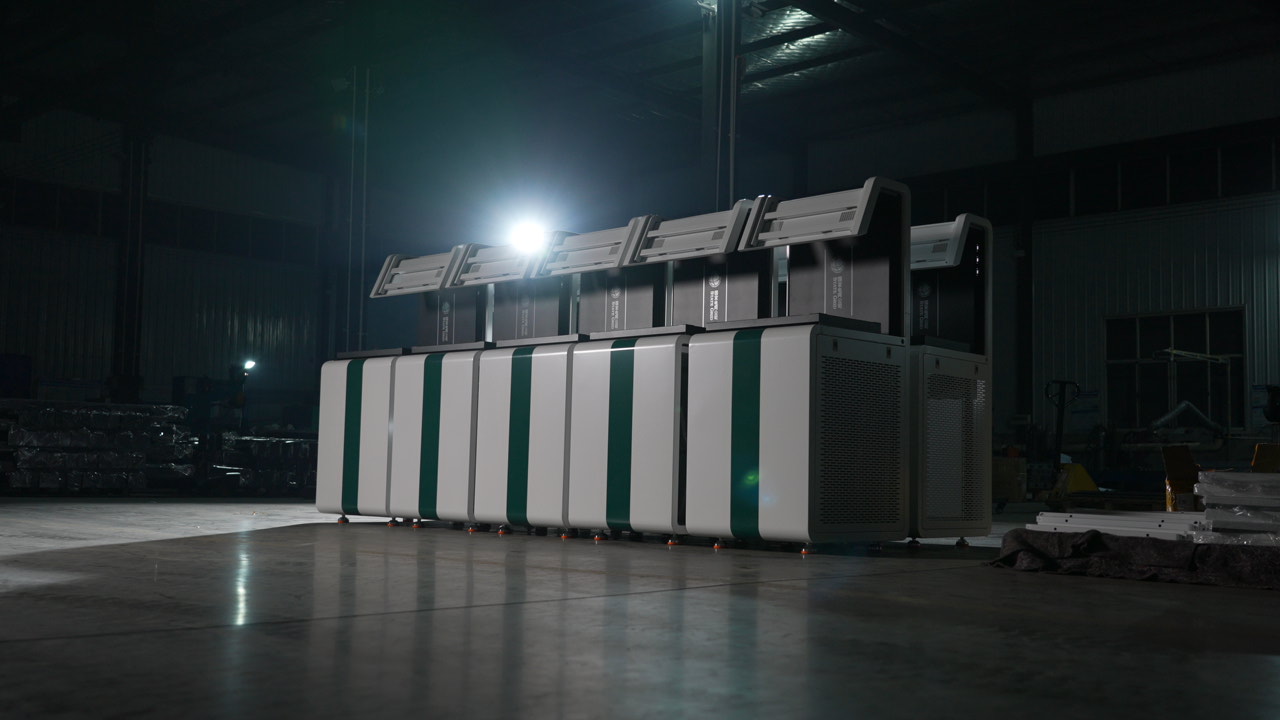
Our sheet metal fabrication services benefit numerous industries, businesses, and projects. Here are our key advantages.
One-Stop Precision Manufacturing
High Precision · Multiple Materials
Custom Expertise · Quality Assurance
Request a Quick Quote
Contact us and seewhat we can do for you.
Contact UsContact Us
.png)
.png)