

Phone
+86 13230709299

English
English
Online



Single-Door Free-Standing Enclosure
Detailed Specifications
|
Parameter |
Specification |
|
Mounting Type |
Free-standing / Floor-standing |
|
Door Type |
Single door (single-door / dual-access optional) |
|
Available Materials |
201, 304, 316/316L stainless steel, 5052 aluminum alloy, carbon steel / galvanized steel |
|
Dimensions |
600×500×250 mm to 1800×800×370 mm (custom sizes supported) |
|
Protection Rating |
NEMA 1~13 / IP30~IP66 |
|
Surface Treatment |
Powder coating, brushed/polished, pickling & passivation |
Process

Laser Cutting
Dedicated nitrogen cutting ensures zero oxidation layer on every workpiece.

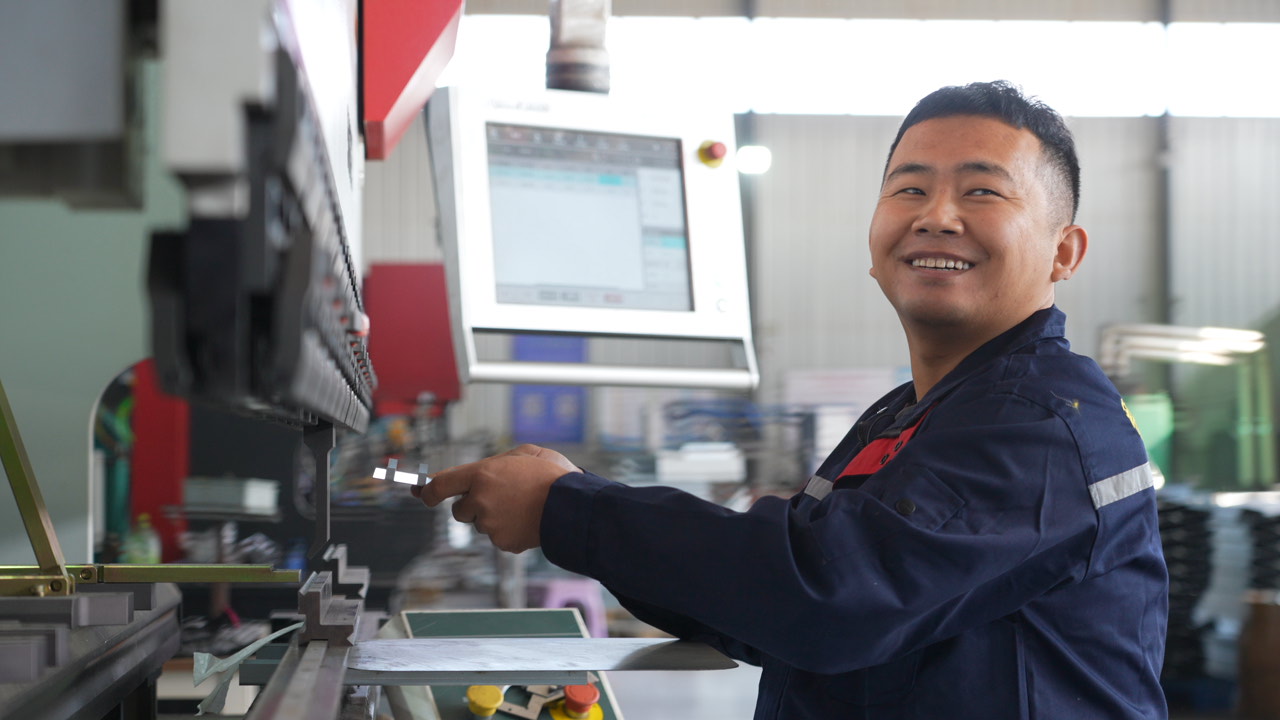
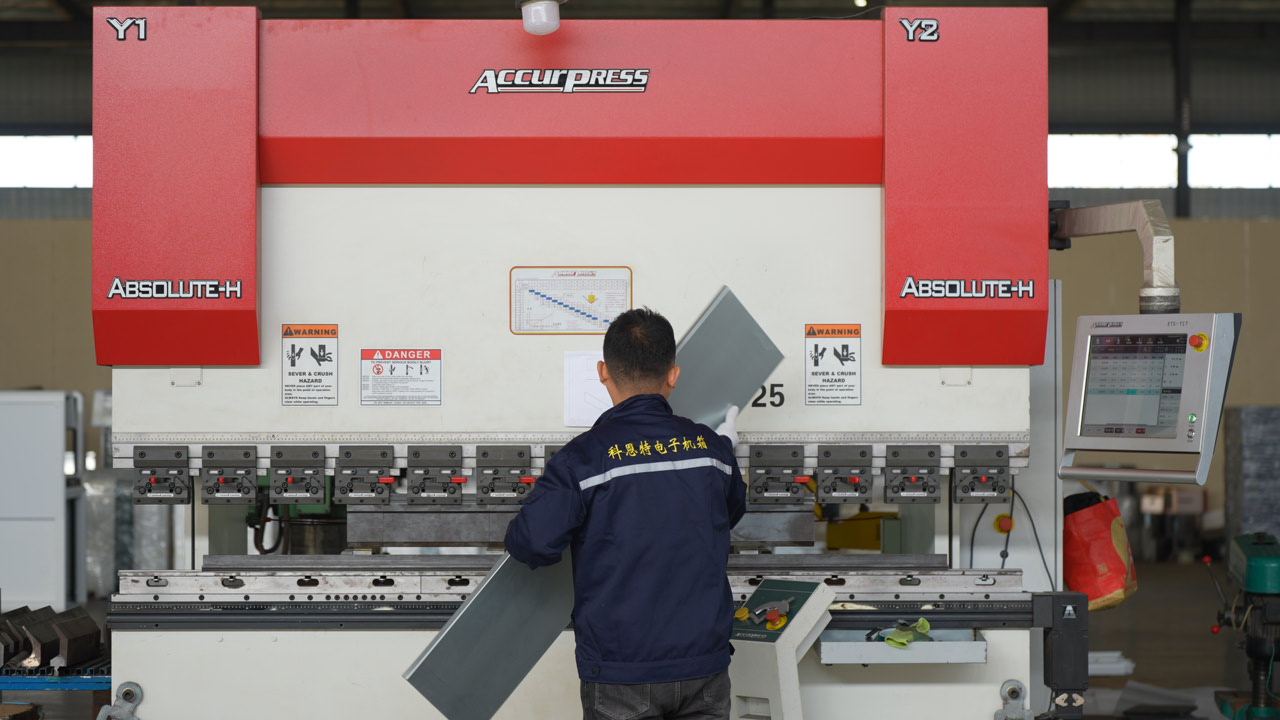
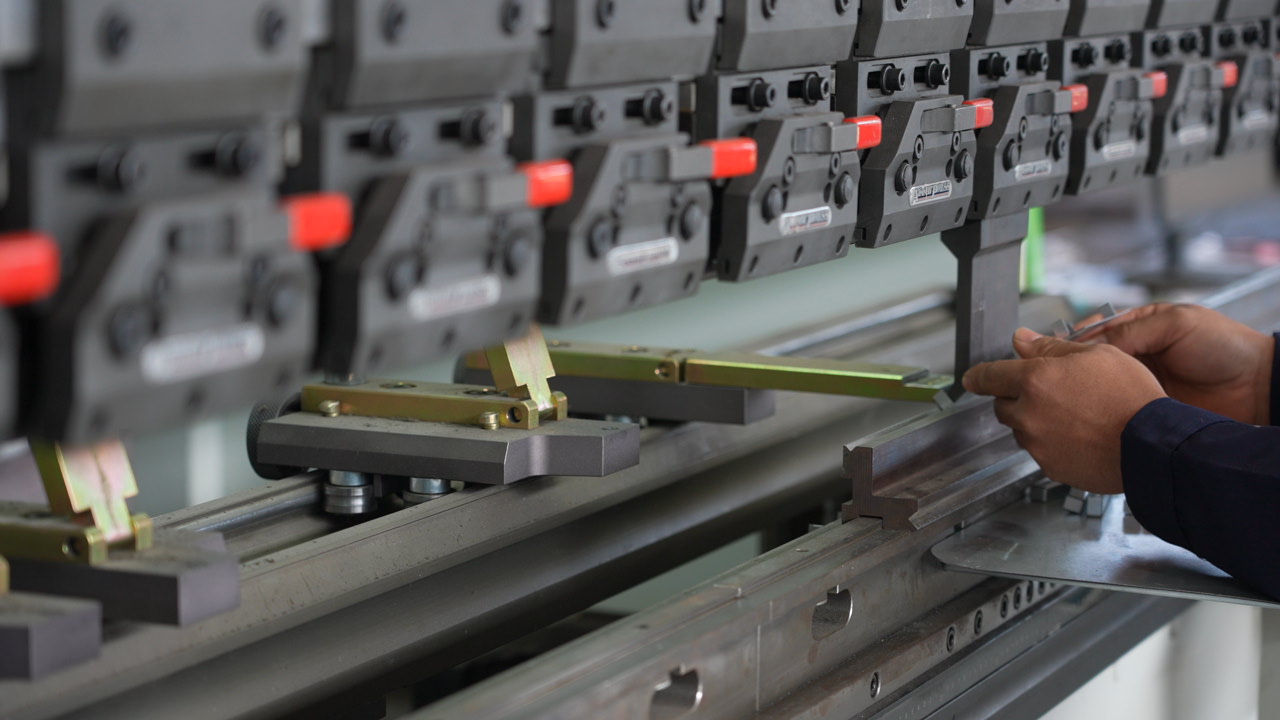
CNC Bending
Advanced equipment guarantees precision at every step.

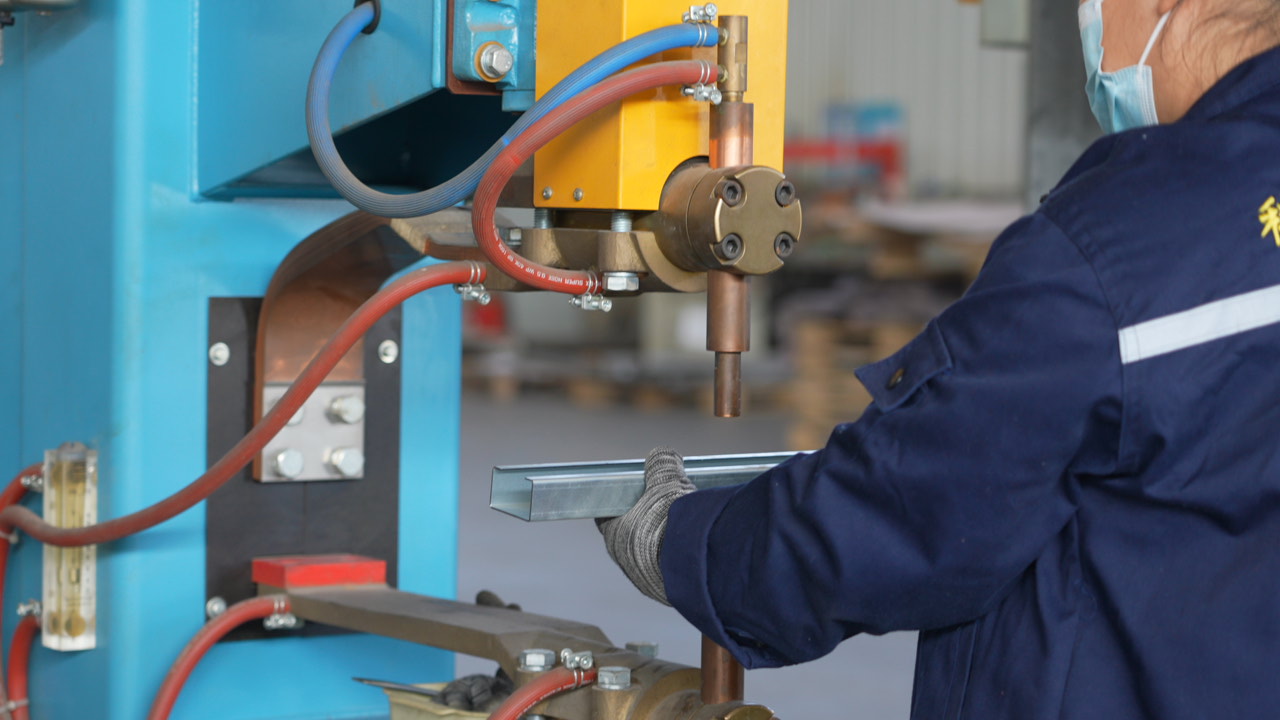
Automated Welding
Standardized welding robots deliver 10x manual efficiency with higher, more stable quality.

Surface Finishing
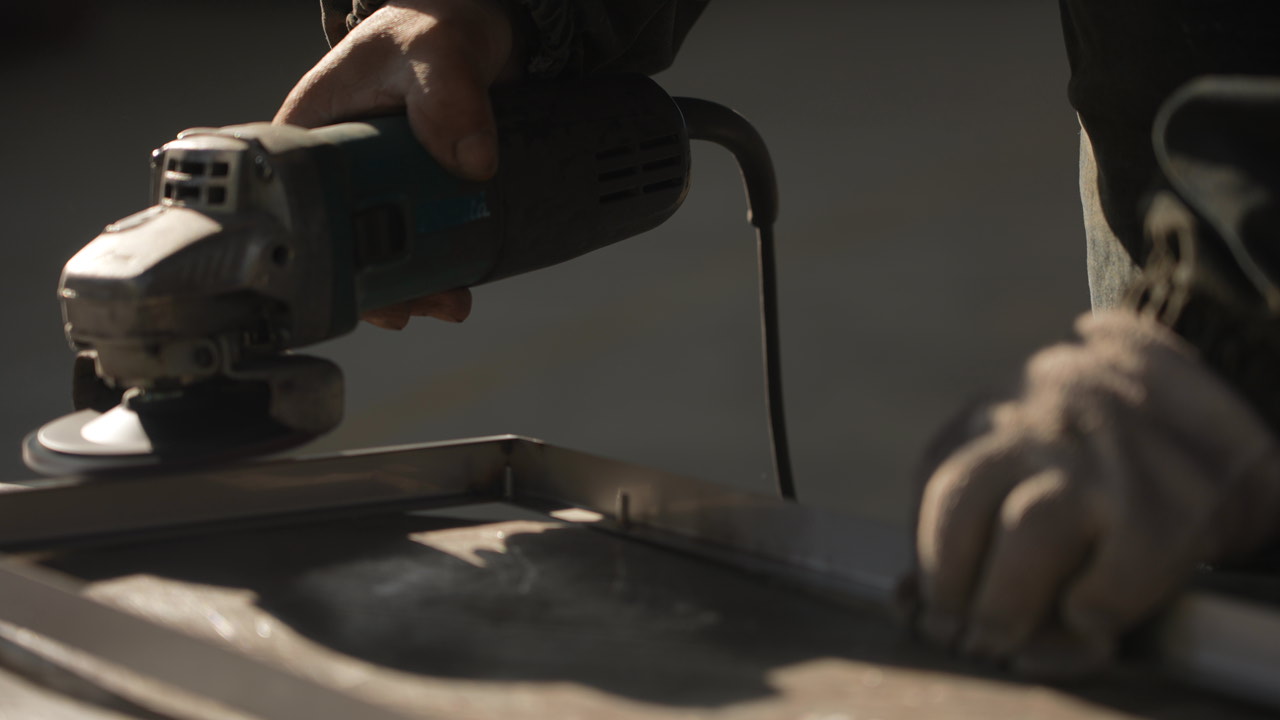
Options include as-machined, coating, surface treatment, heat treatment, and custom finishes.

Custom Logo
Customer-supplied logos can be printed directly on product surfaces.
Learn More
F.A.Q
01
What information is required to customize a free-standing enclosure?
Please provide equipment models, overall dimensions, weight, center of gravity, internal layout, door count, mounting plate requirements, plinth height, cable entries, cooling method, materials, finish, operating environment, and order quantity.
02
How do maintenance methods differ between single-door and double-door enclosures?
Single-door enclosures are typically installed and serviced from the front; double-door enclosures allow zoned maintenance, though swing direction, center mullion structure, locks, and clearance must be verified.
03
Are free-standing enclosures suitable for outdoor use?
They can be designed for outdoor use, requiring confirmation of materials, surface finish, door gaskets, cable glands, drainage, ventilation, and target IP/NEMA ratings. The product name alone does not define outdoor protection capability.
04
Can internal mounting plates and DIN rails be added to free-standing enclosures?
Yes. Mounting plates, DIN rails, partitions, brackets, terminal boards, shelves, or other structures can be configured based on internal components. The layout is customized according to device dimensions and wiring needs.
05
Do free-standing enclosures require a plinth?
A plinth or mounting feet are typically designed based on enclosure height, weight, floor conditions, cable entry, and mounting requirements. Plinth height, mounting holes, lifting points, and cable routing must be confirmed on engineering drawings.
06
What is the difference between single-door and double-door free-standing enclosures?
Single-door structures suit centralized layouts or narrower widths; double-door structures suit wider enclosures, more equipment, or zoned maintenance. Selection depends on layout, door swing clearance, and site maintenance conditions.
07
What equipment is suitable for free-standing enclosures?
Free-standing enclosures accommodate controllers, distribution components, communication devices, power modules, terminals, PLCs, VFDs, and other industrial equipment. Quantity, weight, dimensions, and mounting methods must be confirmed.
08
What products are included in the free-standing enclosure series?
The free-standing enclosure series includes single-door and double-door free-standing enclosures. Both can be installed independently using a plinth or support structure, with door types and internal layouts customizable to equipment requirements.
Why Trust KNT
Our sheet metal fabrication services benefit numerous industries, businesses, and projects. Here are our key advantages.
One-Stop Precision Manufacturing
High Precision · Multiple Materials
Custom Expertise · Quality Assurance
Request a Quick Quote
Contact us and seewhat we can do for you.
Contact UsContact Us