
Phone
+86 13230709299

English
English
Online



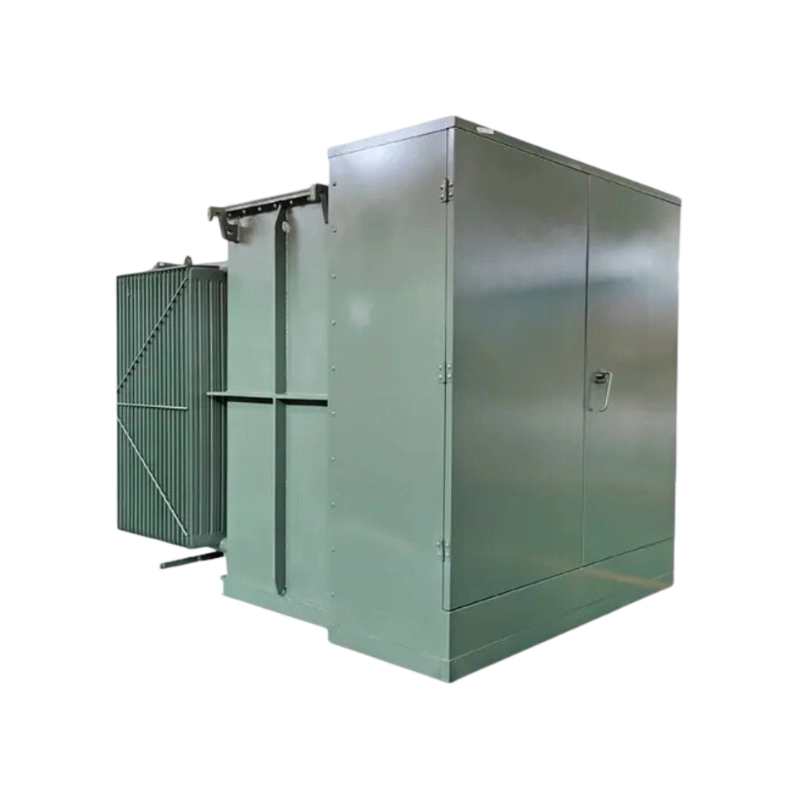
Pad-Mounted Enclosure
Detailed Specifications
|
Parameter |
Specification |
|
Product Series |
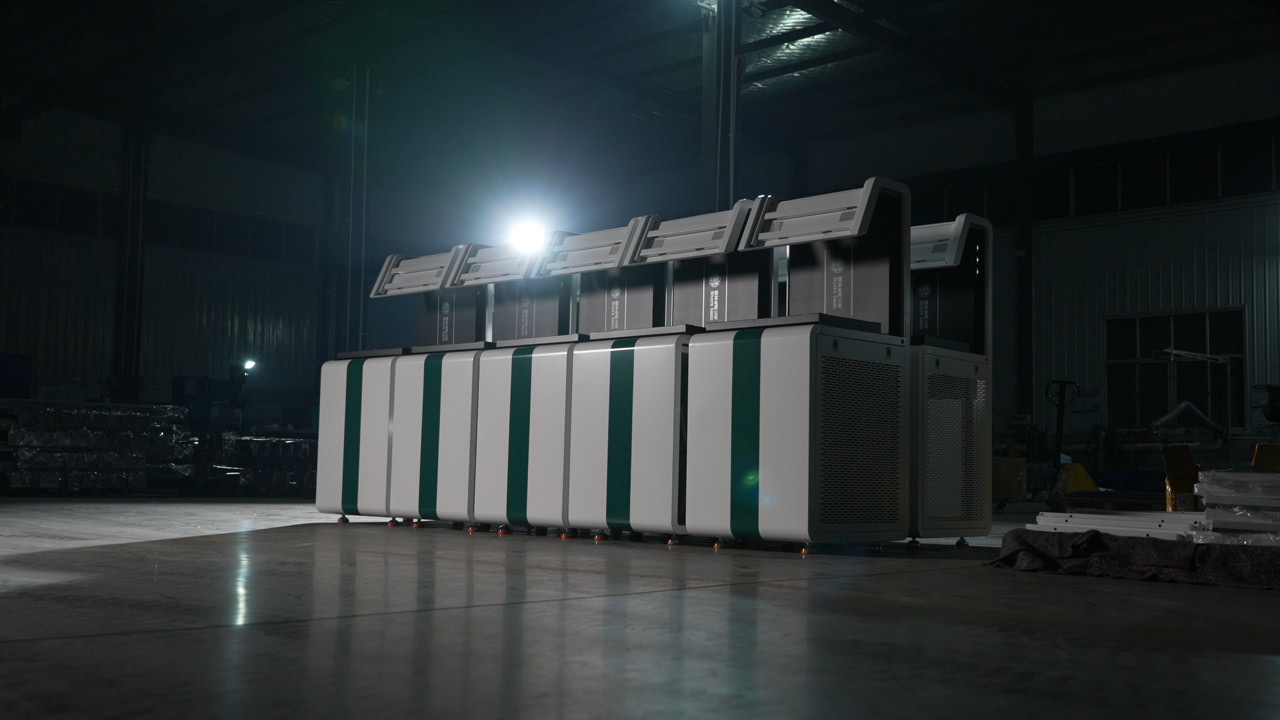
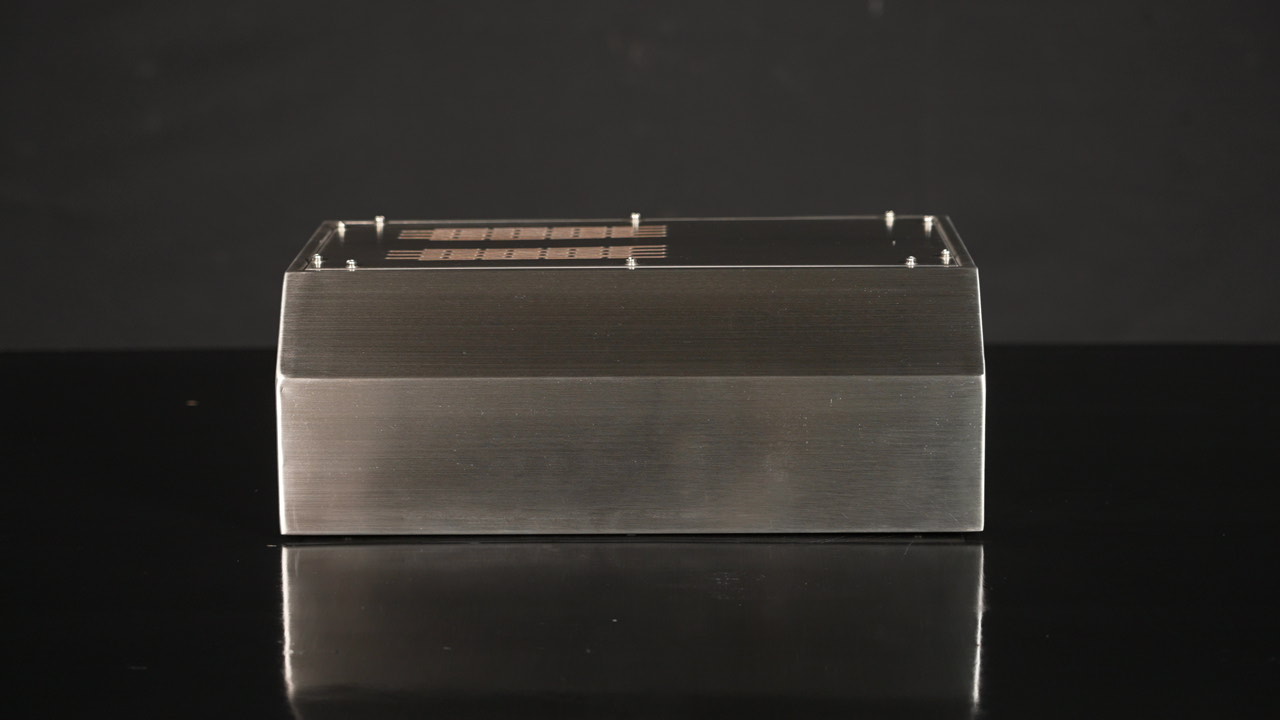
Pad-mounted electrical enclosures / ground-mounted control cabinets |
|
Mounting Type |
Concrete pad or foundation mounting |
|
Door Configuration |
Single door, dual access, multi-access, and custom multi-door configurations |
|
Material Options |
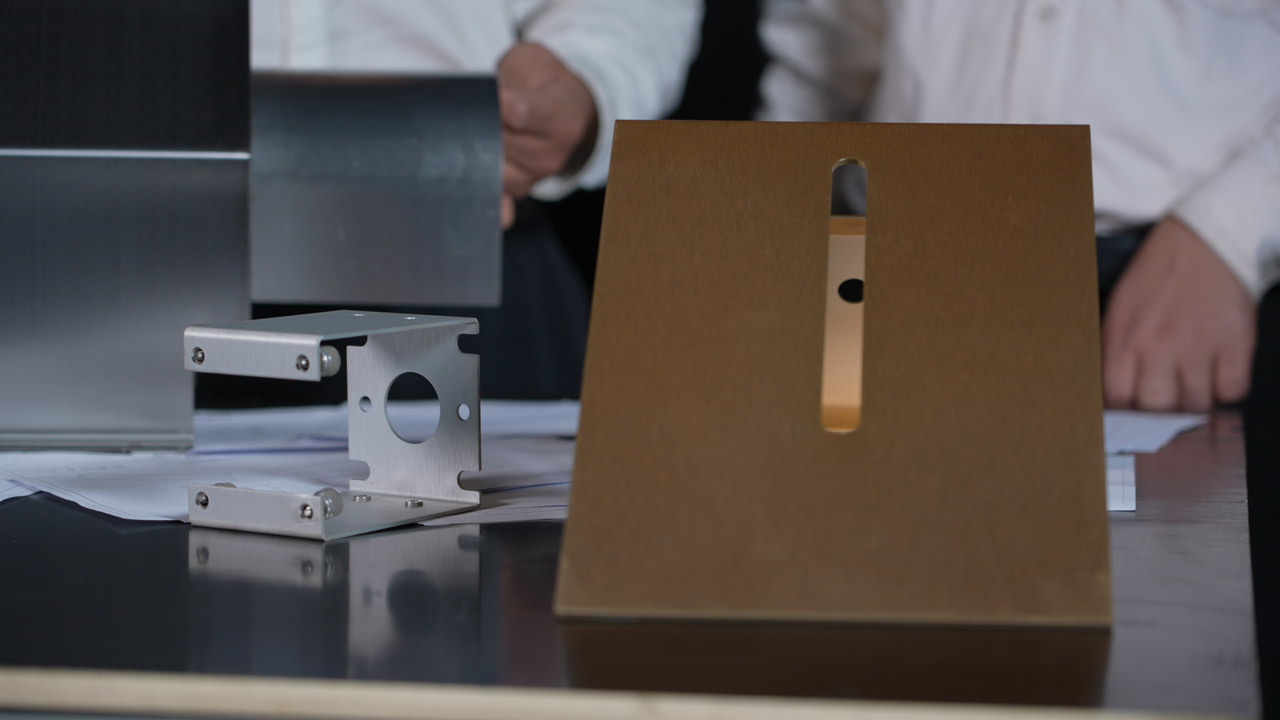
Stainless steel, aluminum alloy, carbon steel, galvanized steel, fiberglass |
|
Protection Rating |
Complies with NEMA 3R, 4, 4X, 6P, and IP66 severe weather protection standards |
|
Surface Treatment |
Weather- and UV-resistant powder coating, anti-corrosion/rust treatment, brushed finish |
|
Core Features |
Heavy-duty body, heavy-duty hinges with tamper-resistant padlock/digital locks, bottom concrete anchor holes, internal ventilation, grounding studs, and interior mounting struts |
Process
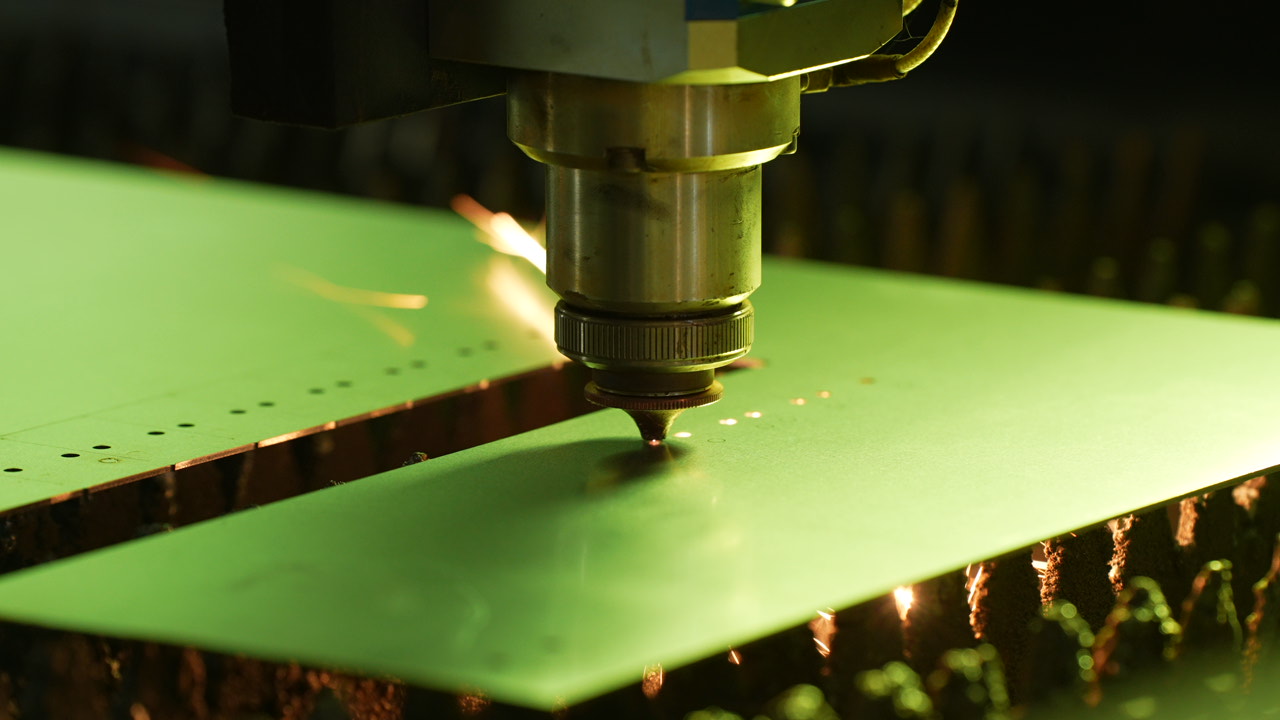
Laser Cutting
Dedicated nitrogen cutting ensures zero oxidation layer on every workpiece.
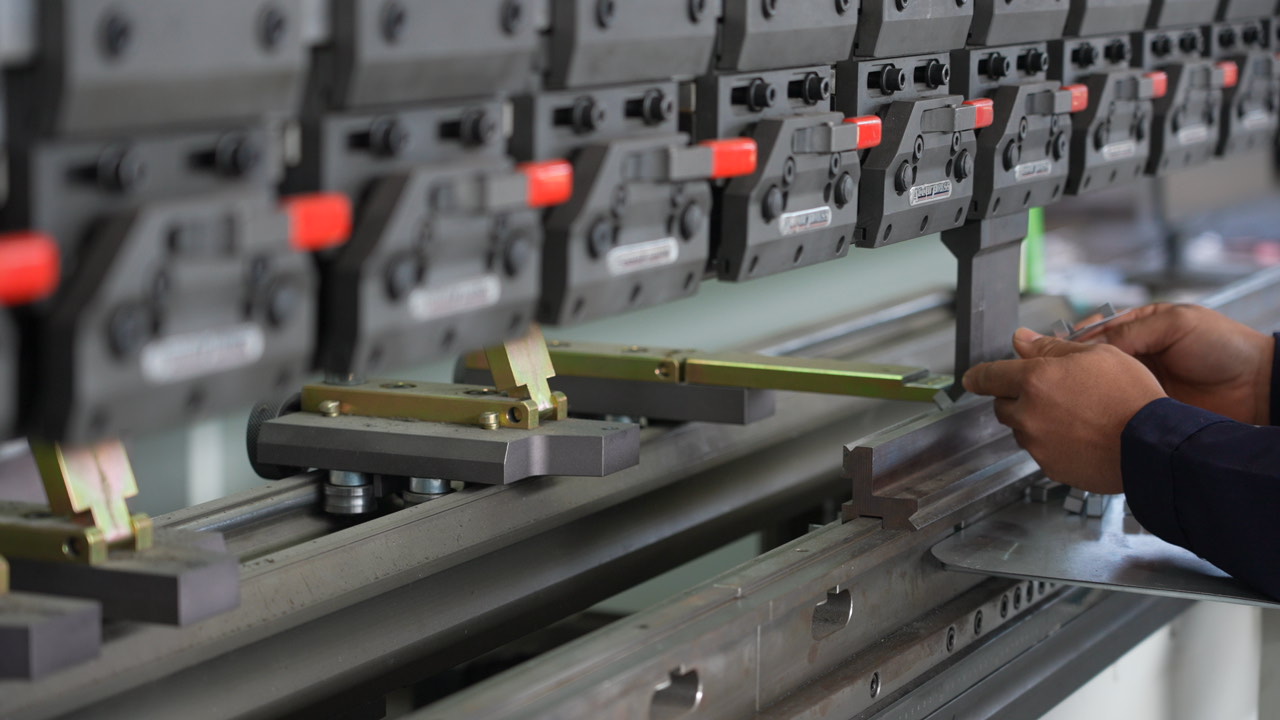
CNC Bending
Advanced equipment guarantees precision at every step.
Automated Welding
Standardized welding robots deliver 10x manual efficiency with higher, more stable quality.
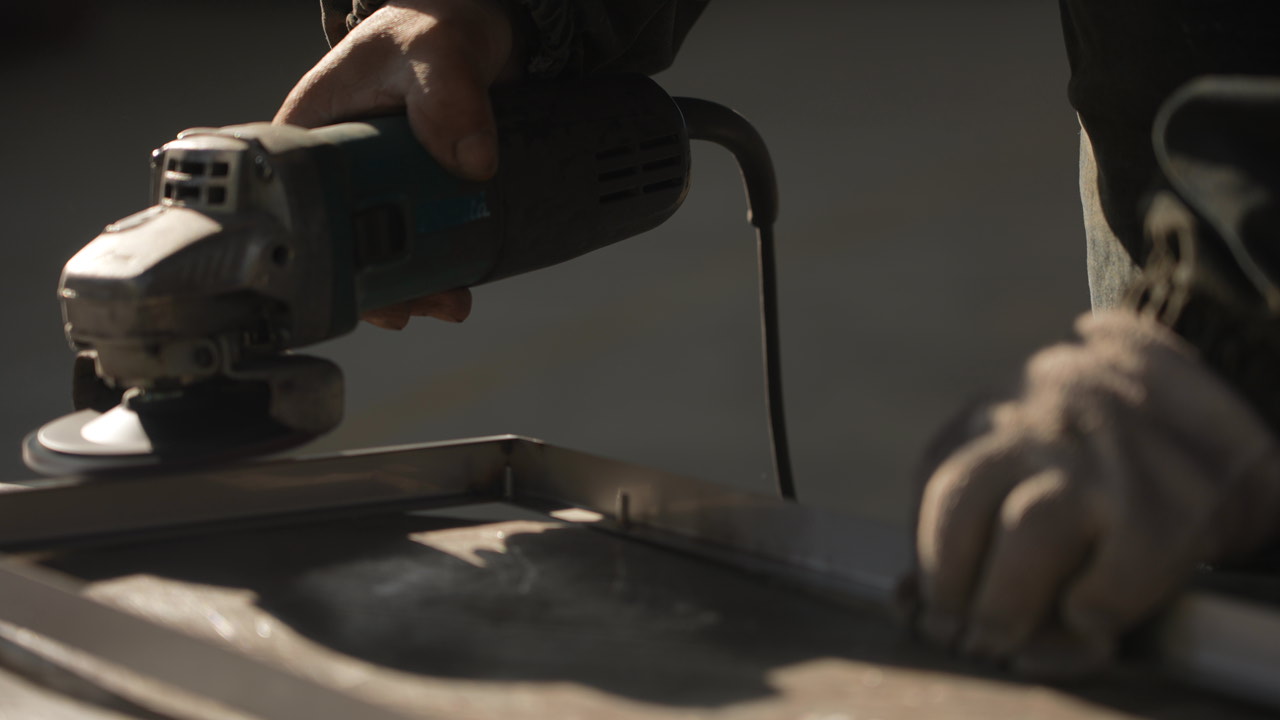
Surface Finishing
Options include as-machined, coating, surface treatment, heat treatment, and custom finishes.

Custom Logo
Customer-supplied logos can be printed directly on product surfaces.
Learn More
F.A.Q
01
What information is required to customize a pad-mounted enclosure?
Provide equipment models, external dimensions, weight, center of gravity, foundation dimensions, mounting hole locations, plinth height, cable entry/exit methods, door swing, internal layout, materials, finish, target protection rating, and order quantity.
02
Can internal mounting plates and partitions be added?
Yes. Mounting panels, DIN rails, shelves, brackets, dividers, terminal areas, and raceways can be integrated based on equipment dimensions, weight, wiring, and maintenance requirements.
03
Are pad-mounted enclosures suitable for outdoor use?
Yes, through outdoor structural design. Materials, surface treatments, door sealing, drainage, plinth height, environmental corrosion, and target IP/NEMA ratings must be evaluated, as the product type alone does not dictate outdoor ratings.
04
Can cables enter a pad-mounted enclosure from the bottom?
Yes. Bottom, side, or other entry options can be designed to match site routing. Bottom entry requires evaluating gland plates, cable glands, foundation cutouts, drainage, and cable bending radiuses.
05
What foundation is required for a pad-mounted enclosure?
Foundations are designed around cabinet dimensions, equipment weight, center of gravity, mounting holes, cable entry, drainage, and site conditions. Pad thickness, dimensions, anchor bolts, and plinth requirements must be confirmed via project drawings and site surveys.
06
What is the difference between pad-mounted and standard floor-mounted enclosures?
Both are freestanding, but pad-mounted enclosures are specifically engineered to interface with concrete pads, mounting bases, anchor bolts, and bottom cable entry. Standard floor-mounted units may include plinths but do not necessarily require dedicated foundation structures.
07
What equipment can be housed in a pad-mounted enclosure?
It can house electrical control equipment, power distribution components, power modules, telecom gear, industrial controls, transformer accessories, or other freestanding equipment, depending on device specifications.
08
What is a pad-mounted enclosure?
A pad-mounted enclosure is a freestanding enclosure installed on a concrete foundation, equipment pad, or dedicated plinth. Anchored at the base, it suits applications requiring ground mounting, bottom cable entry, or integration with ground-level equipment.
Why Trust KNT
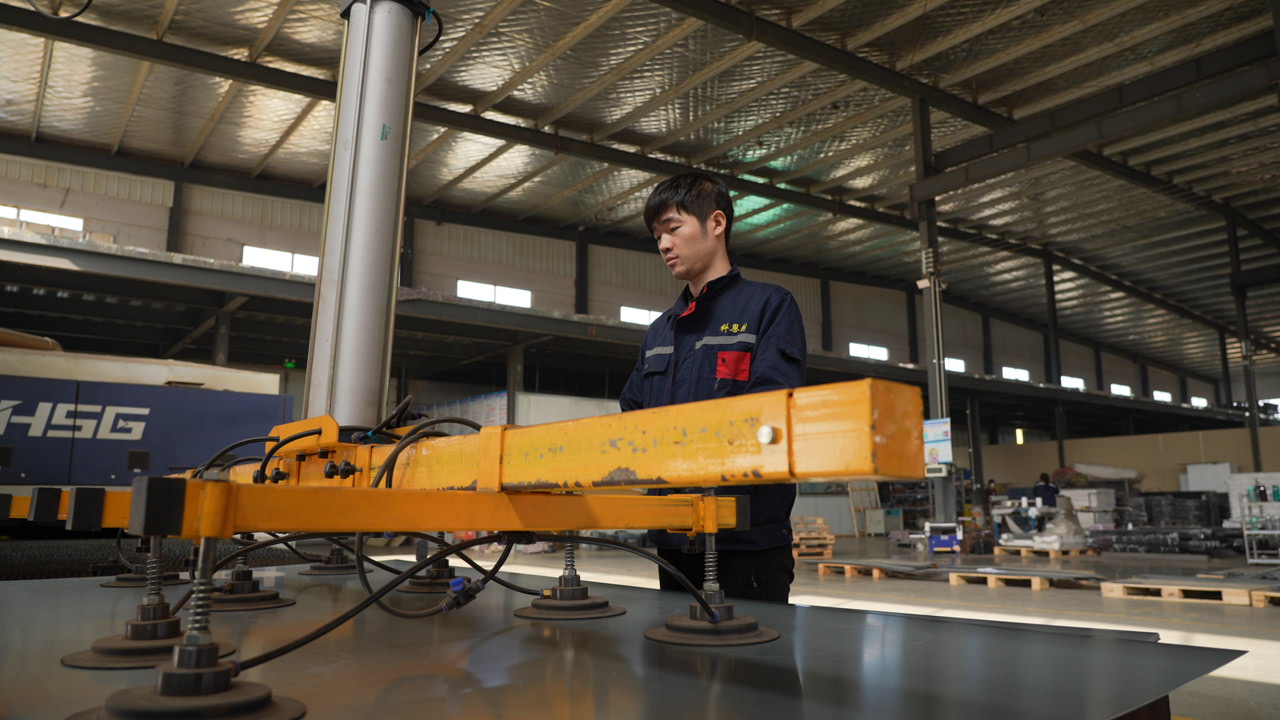
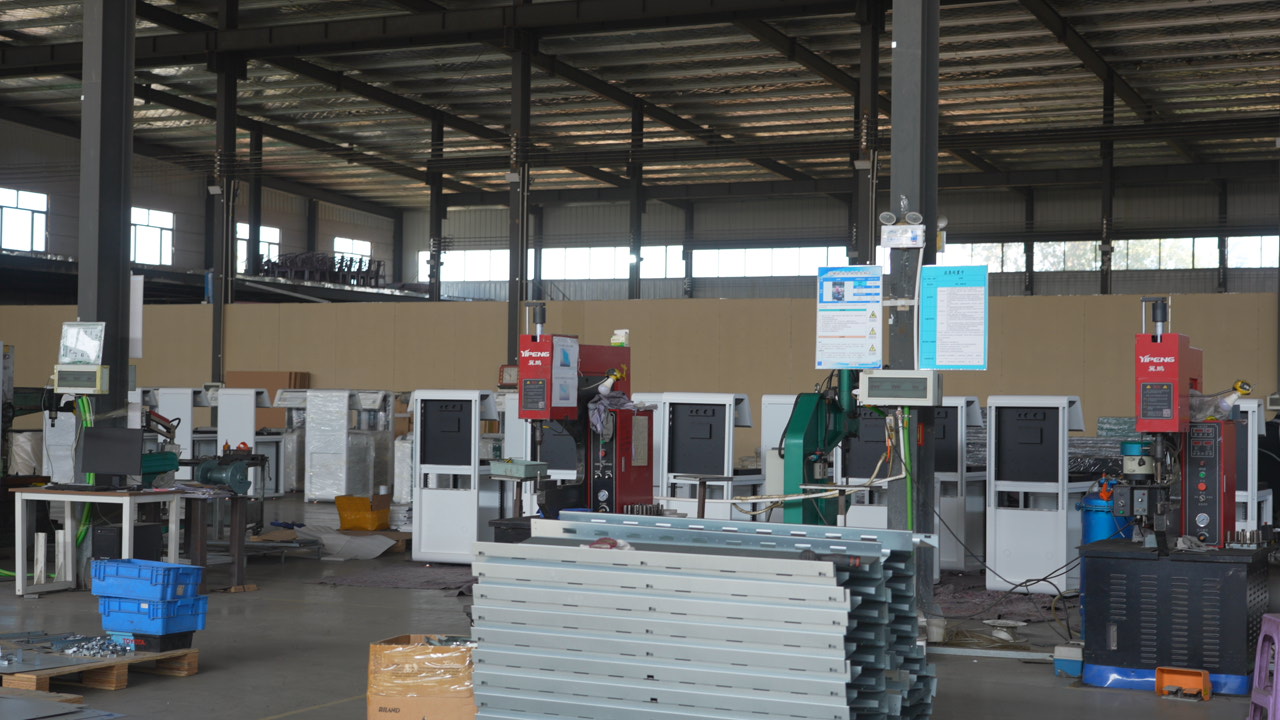
Our sheet metal fabrication services benefit numerous industries, businesses, and projects. Here are our key advantages.
One-Stop Precision Manufacturing
High Precision · Multiple Materials
Custom Expertise · Quality Assurance
Request a Quick Quote
Contact us and seewhat we can do for you.
Contact UsContact Us