

Phone
+86 13230709299

English
English
Online



.png)
Rackmount Instrument Enclosure
Detailed Specifications
|
Structural Standard |
Standard 19-inch rack-mount design |
|
Internal Capacity |
Accommodates high-capacity centralized electronic instruments |
|
Applications |
Data centers, telecom rooms, laboratory racks |
|
Mounting Configuration |
Standard mounting ears, front and rear ventilation slots |
|
Load Capacity |
Heavy-duty metal frame, high load capacity |
Process

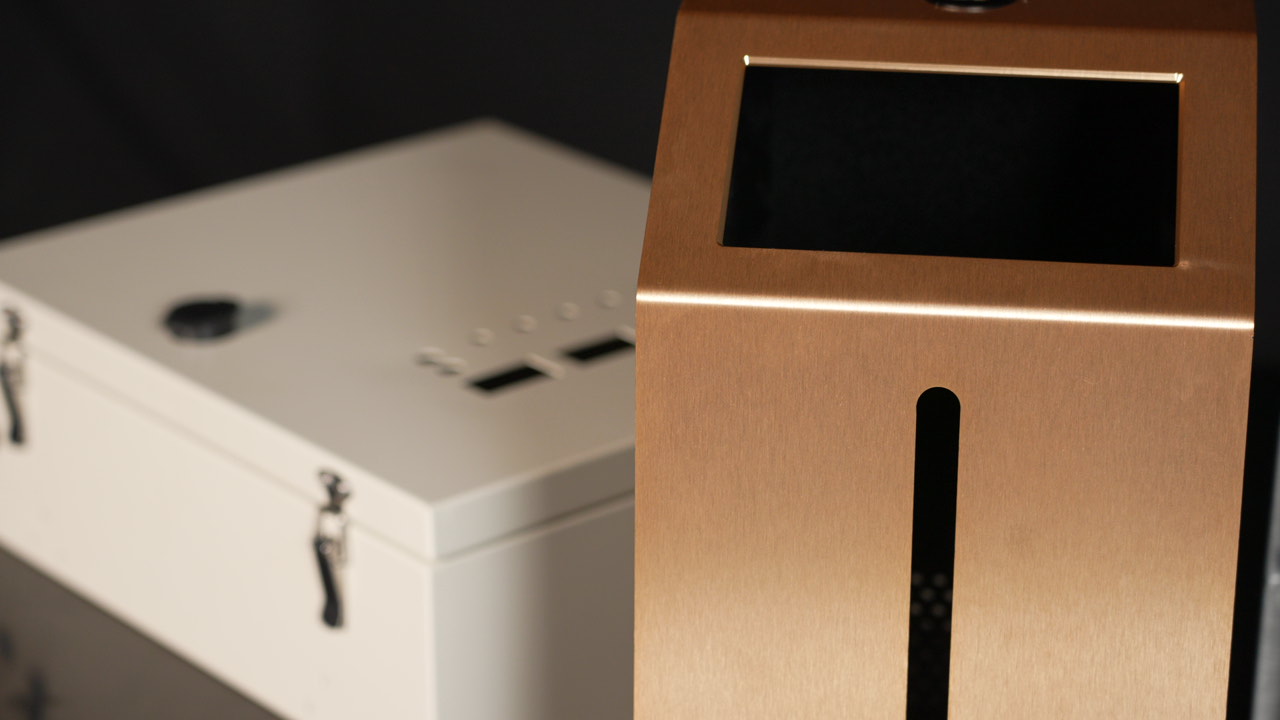
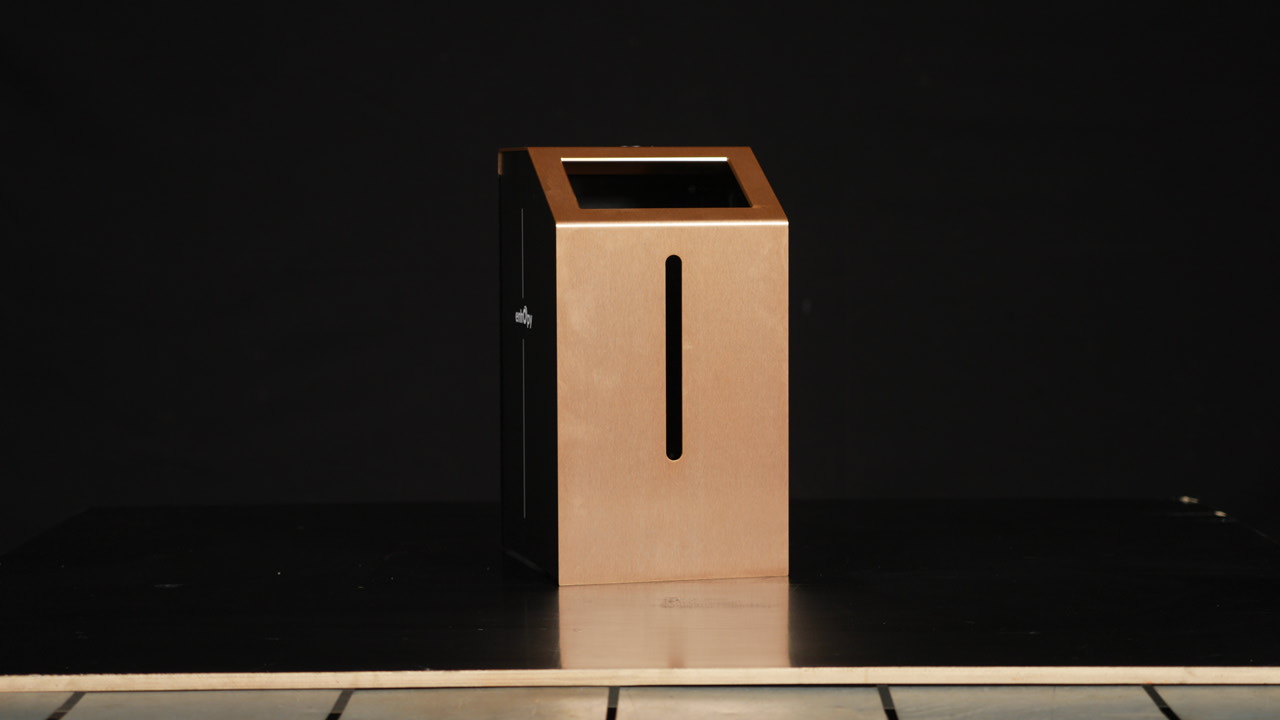
Laser Cutting
Dedicated nitrogen cutting ensures zero oxidation layer on every workpiece.

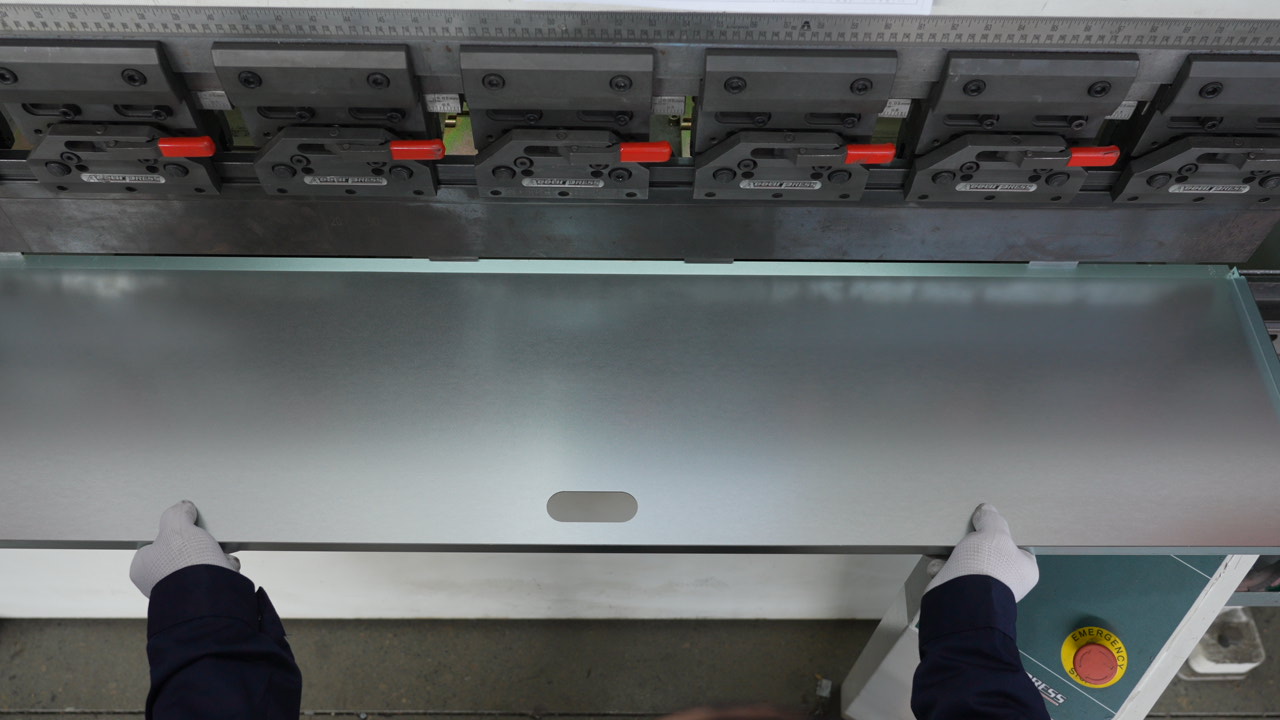
CNC Bending
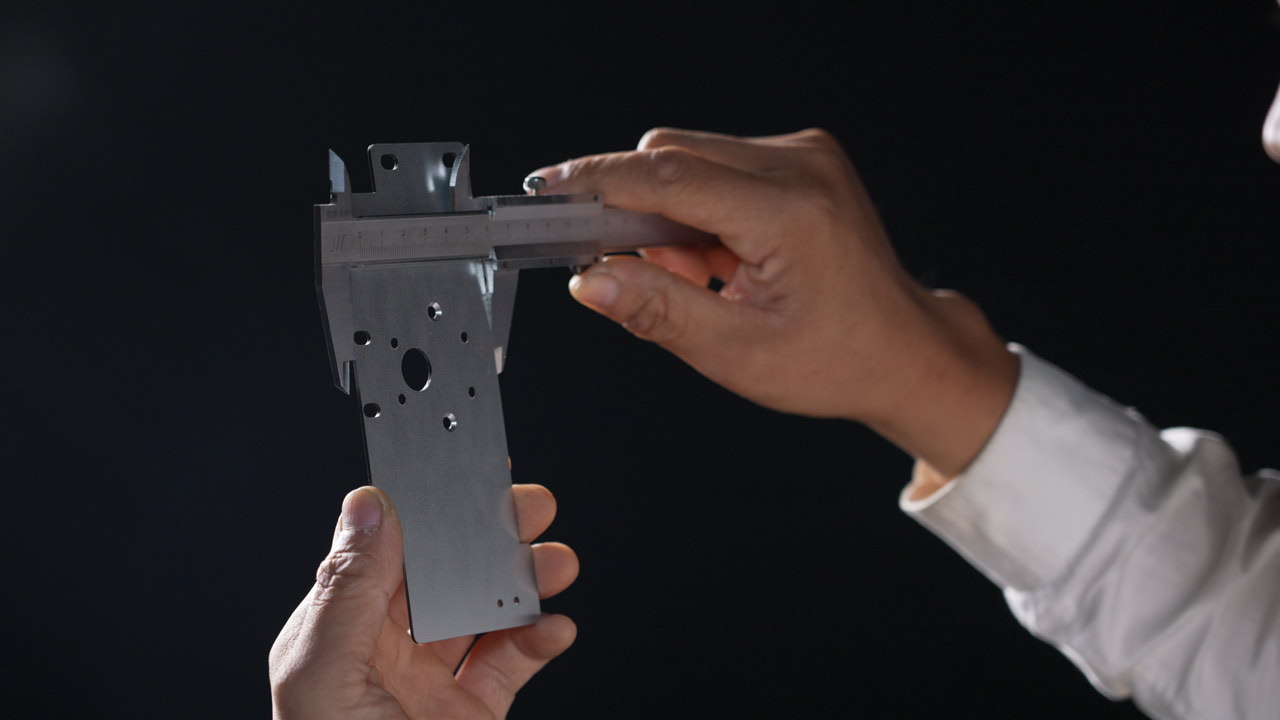
Advanced equipment guarantees precision at every step.

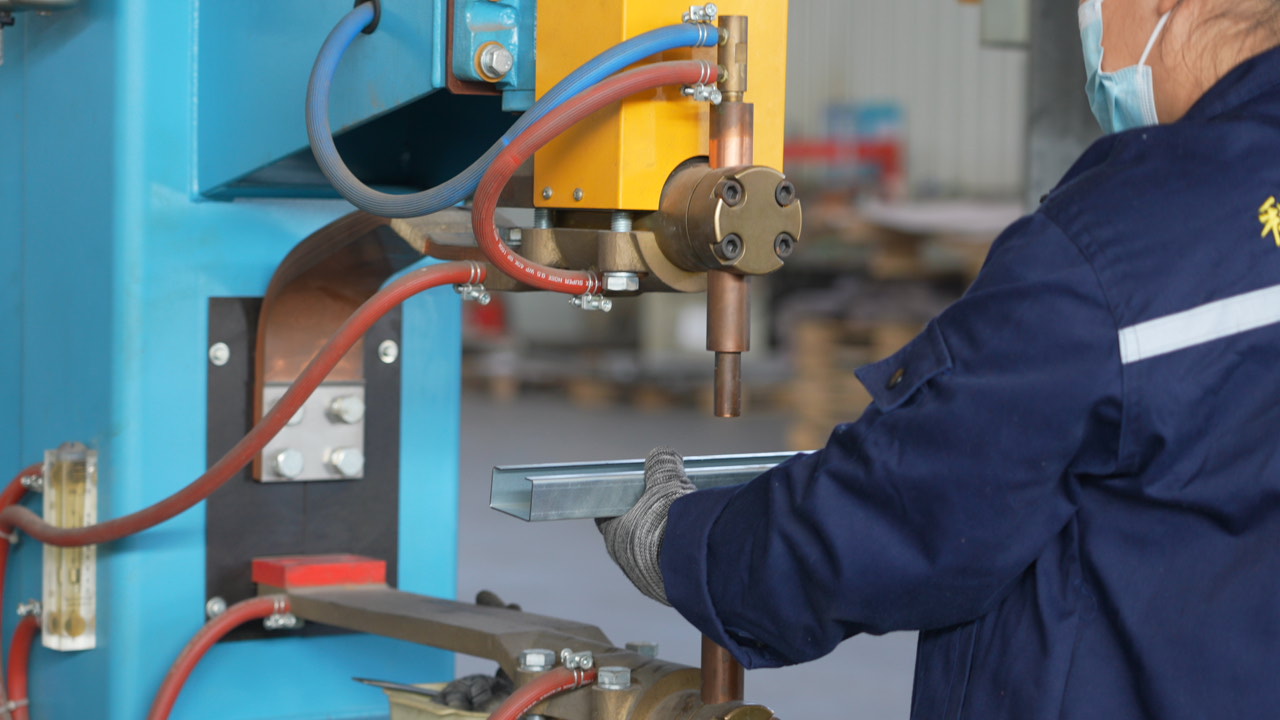
Automated Welding
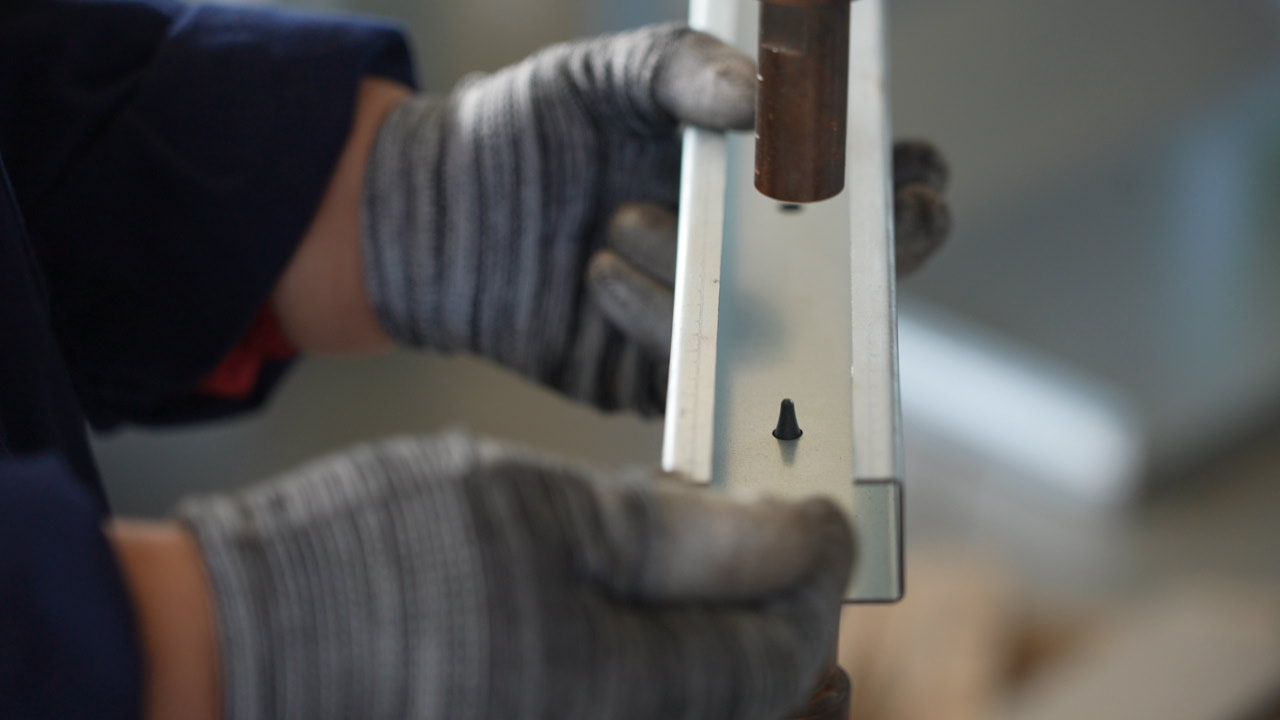
Standardized welding robots deliver 10x manual efficiency with higher, more stable quality.

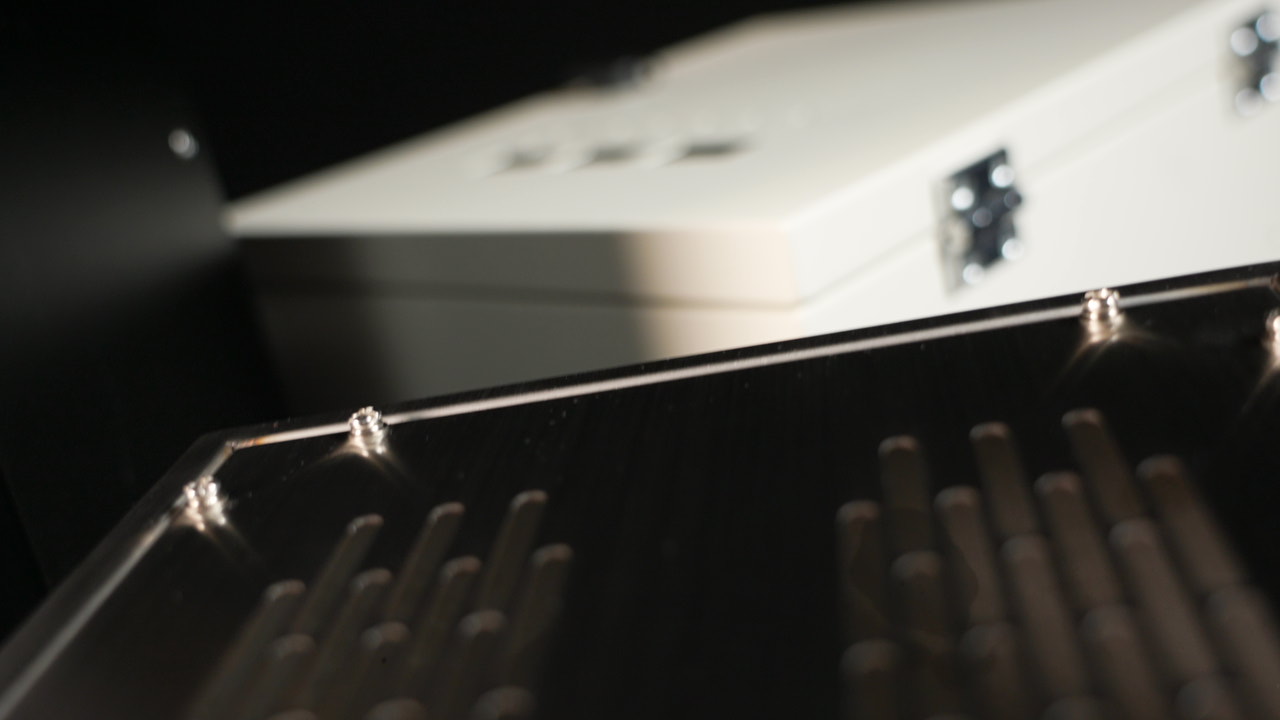
Surface Finishing
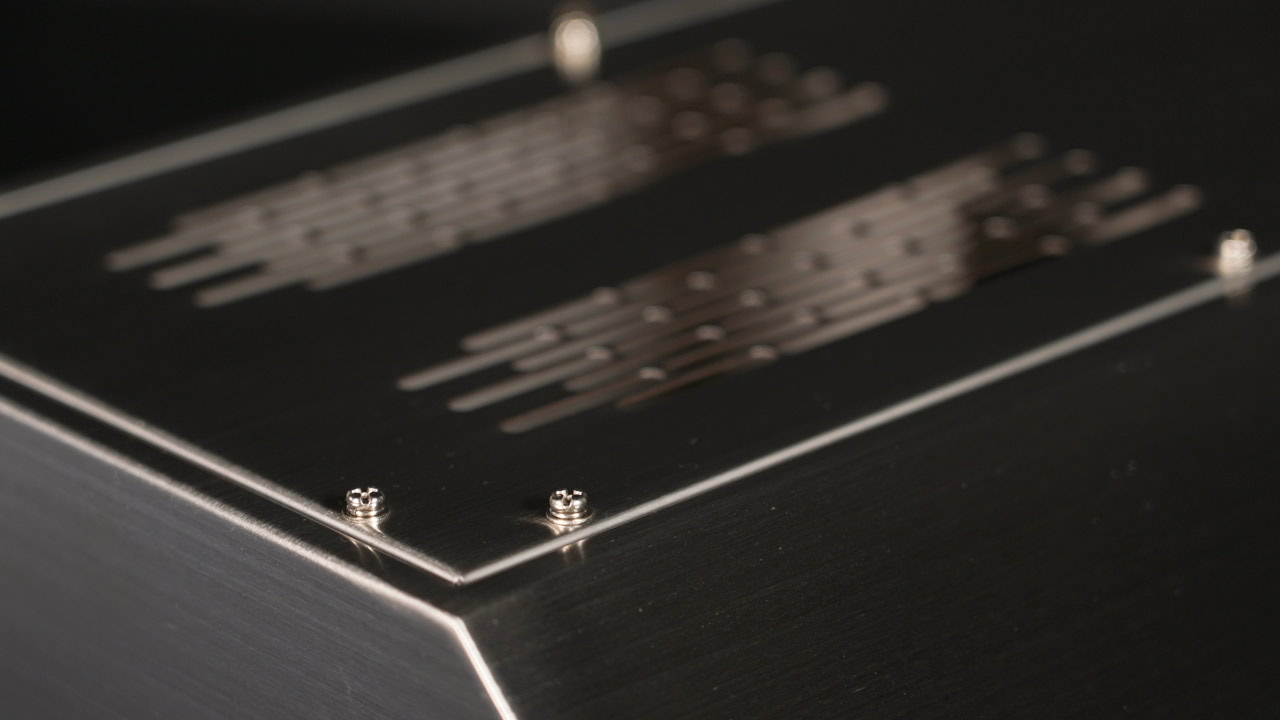
Options include as-machined, coating, surface treatment, heat treatment, and custom finishes.

Custom Logo
Customer-supplied logos can be printed directly on product surfaces.
Learn More
F.A.Q
01
What information is needed to customize an instrument enclosure?
Recommended details include equipment model, external dimensions, internal space, display/interface sizes, mounting type, operating orientation, material, finish, thermal requirements, order quantity, and operating environment. Portable or rackmount units also require details on handles, slides, rack unit height, and mounting methods.
02
Can instrument enclosures incorporate displays, cutouts, and vents?
Yes. Cutouts for displays, buttons, connectors, power and communication ports, vents, heat sinks, and mounting holes can be customized based on equipment drawings.
03
What factors must be considered for heated instrument enclosures?
Key considerations include internal heat sources, target temperatures, thermal uniformity, insulation, dissipation zones, electrical safety, and maintenance clearance. Heaters, thermostats, and insulation structures are configured per application design.
04
Why do sloped instrument enclosures feature an inclined panel?
Inclined panels optimize line of sight and ergonomics for viewing displays, meters, and controls. Specific tilt angles, panel dimensions, and cutouts are tailored to the equipment and operating environment.
05
What are the differences between rackmount, desktop, and portable instrument enclosures?
Rackmount enclosures install into standard racks or cabinets; desktop types suit workbenches or lab tables; portable enclosures typically include handles, protective features, and a mobile form factor. Dimensions and mounting depend on intended use.
06
What are the features of aluminum instrument enclosures?
They can be machined to match equipment dimensions, panel structures, interface layouts, and mounting methods. Specific aluminum grades, extruded or sheet metal structures, surface finishes, and sheet thicknesses are determined by product design.
07
What equipment are instrument enclosures primarily used to house?
They house measuring instruments, testing equipment, display modules, controllers, lab devices, data acquisition units, and other electronics. Internal space and mounting structures depend on equipment dimensions, weight, and interfaces.
08
What products are included in the instrument enclosure series?
The series includes aluminum, rackmount, sloped, portable, desktop, and heated instrument enclosures, differing primarily in material, mounting method, operating structure, and thermal management.
Why Trust KNT
Our sheet metal fabrication services benefit numerous industries, businesses, and projects. Here are our key advantages.
One-Stop Precision Manufacturing
High Precision · Multiple Materials
Custom Expertise · Quality Assurance
Request a Quick Quote
Contact us and seewhat we can do for you.
Contact UsContact Us