

Phone
+86 13230709299

English
English
Online



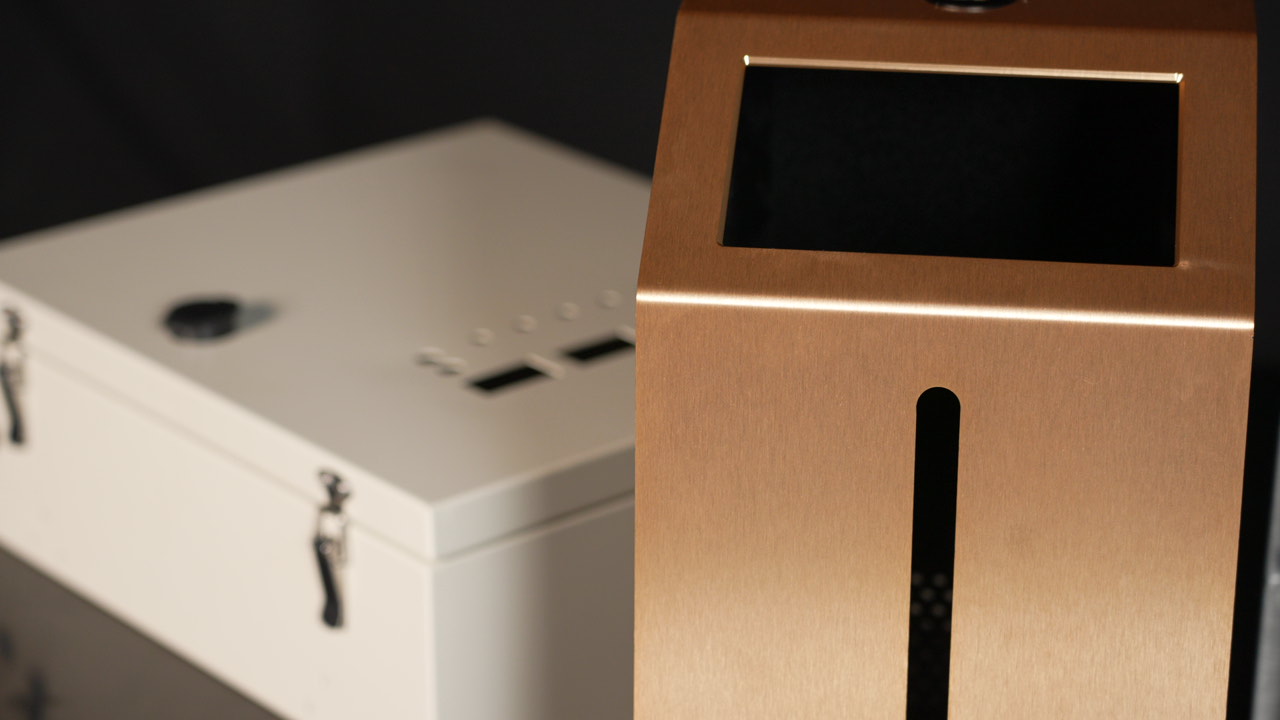
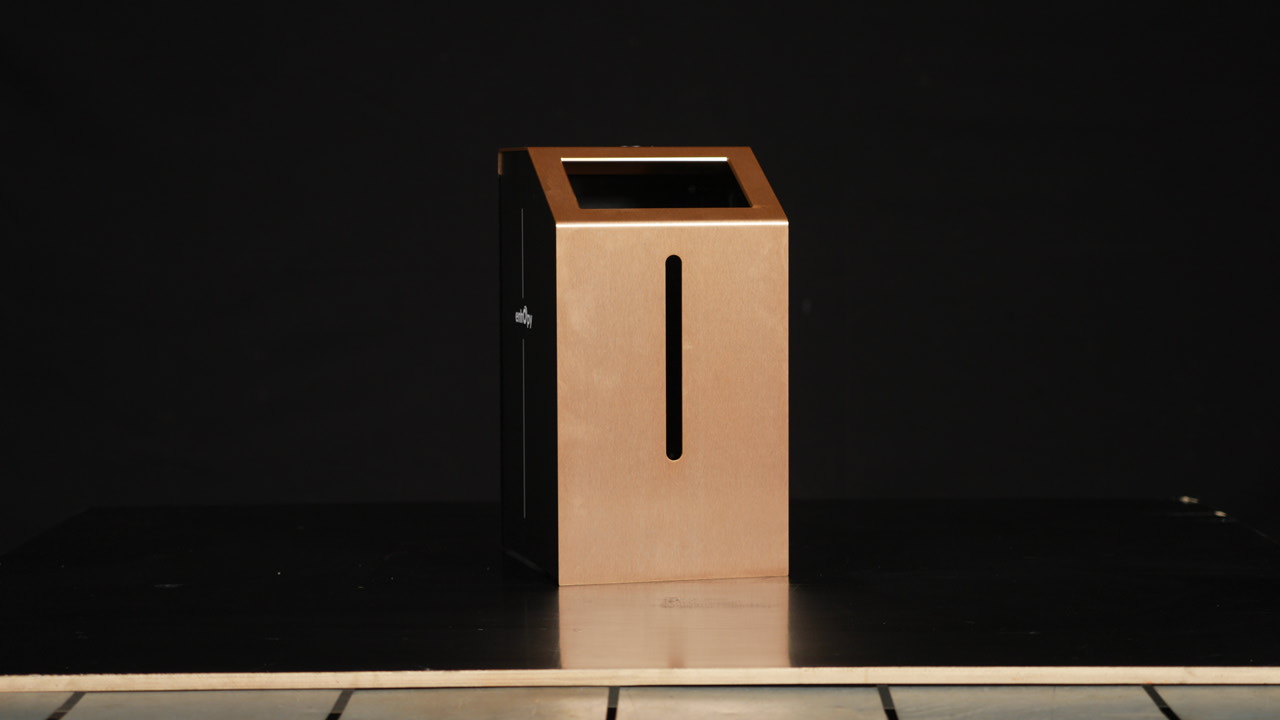
Aluminum Instrument Enclosure
Detailed Specifications
|
Housing Material |
High-grade lightweight aluminum alloy |
|
Thermal Performance |
Excellent conductivity with natural heat dissipation |
|
Protection |
Corrosion-, oxidation-, and EMI-resistant |
|
Surface Treatment |
Anodizing, brushing, or powder coating |
|
Structural Design |
Modular assembly, high rigidity, deformation-resistant |
Process

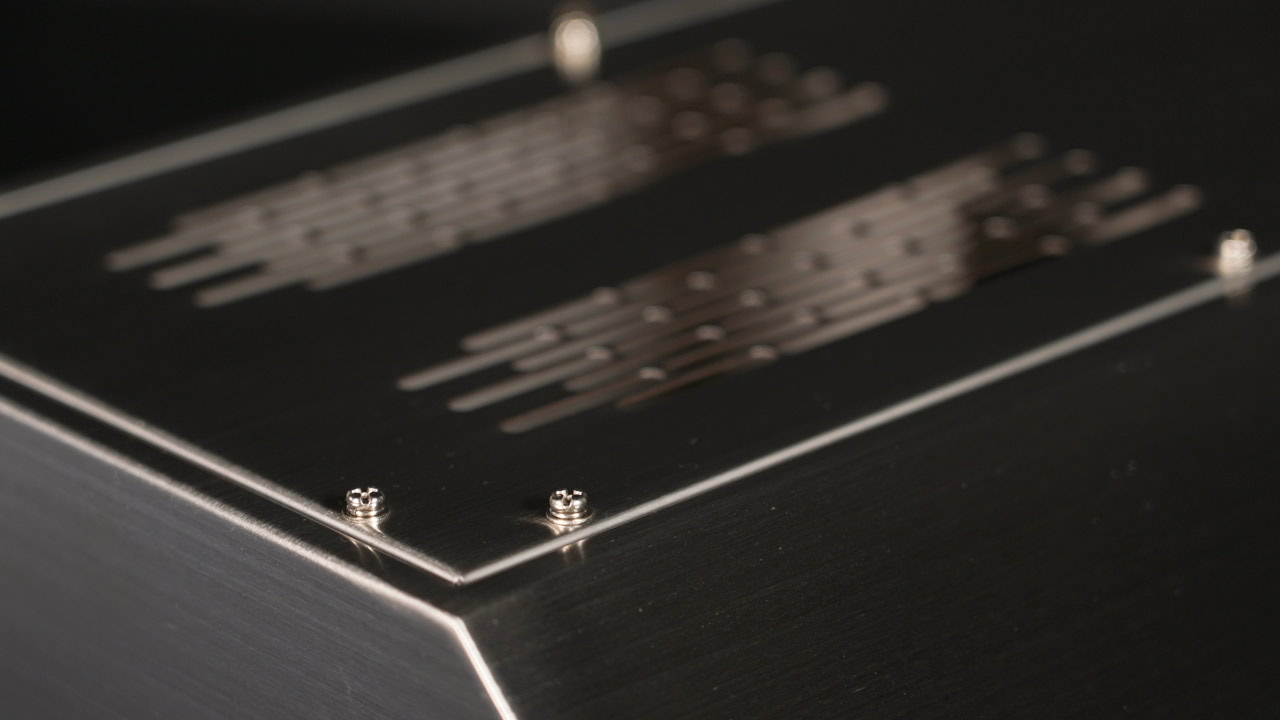
Laser Cutting
Dedicated nitrogen cutting ensures zero oxidation layer on every workpiece.

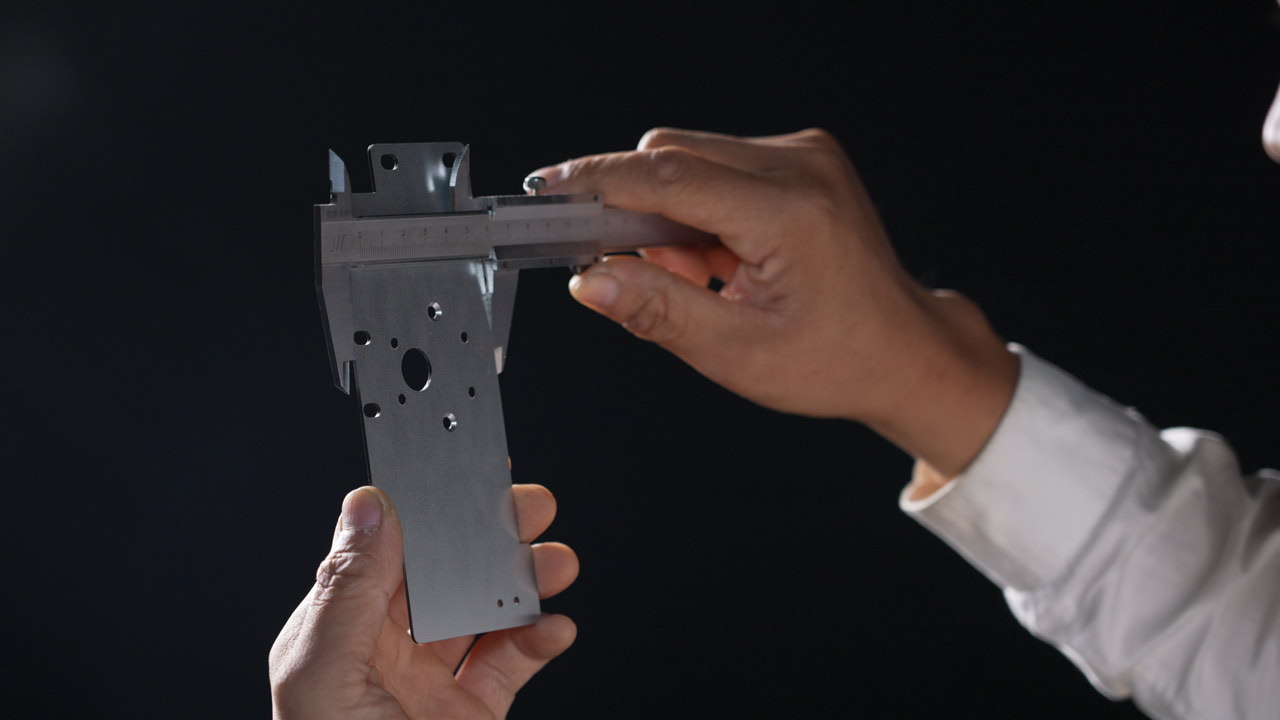
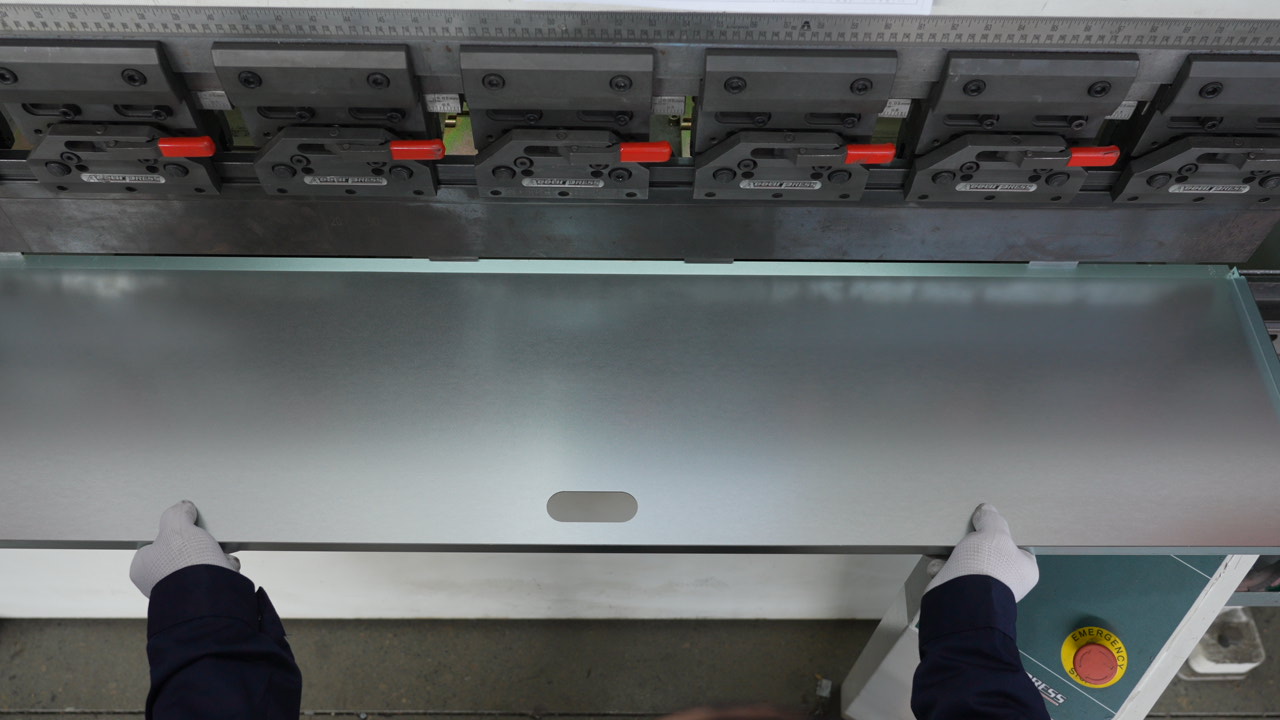
CNC Bending
Advanced equipment guarantees precision at every step.

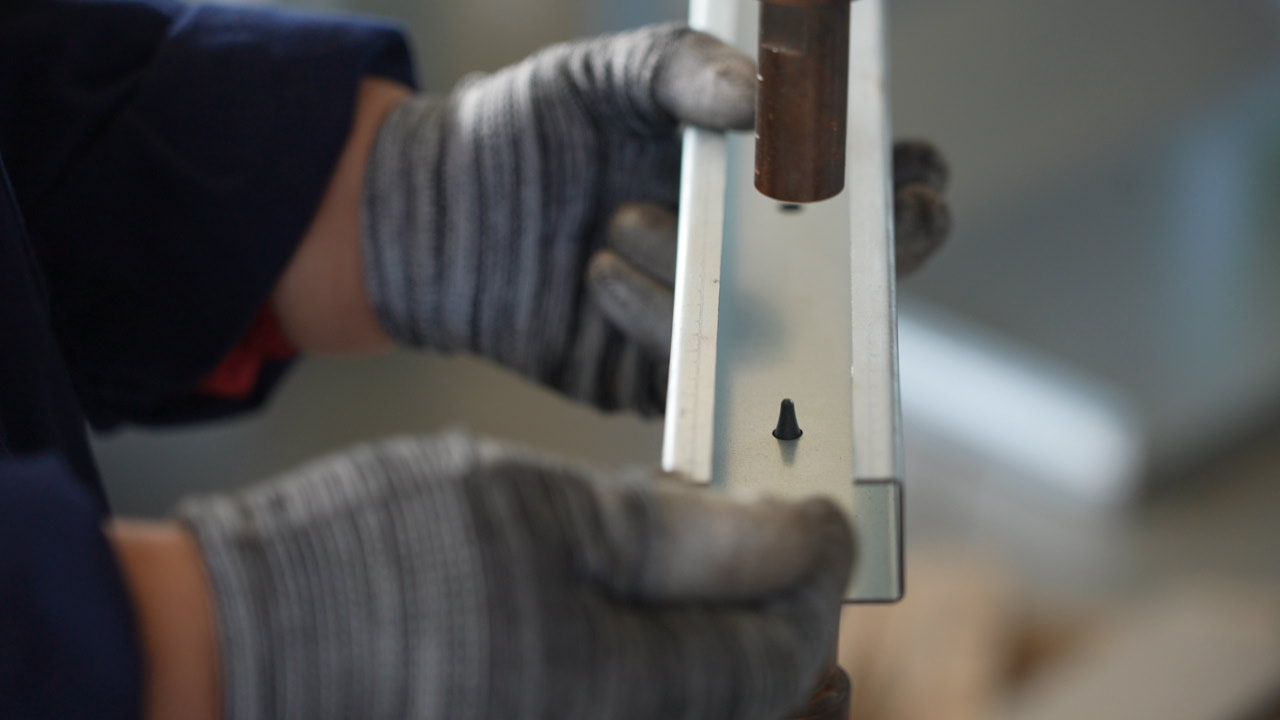
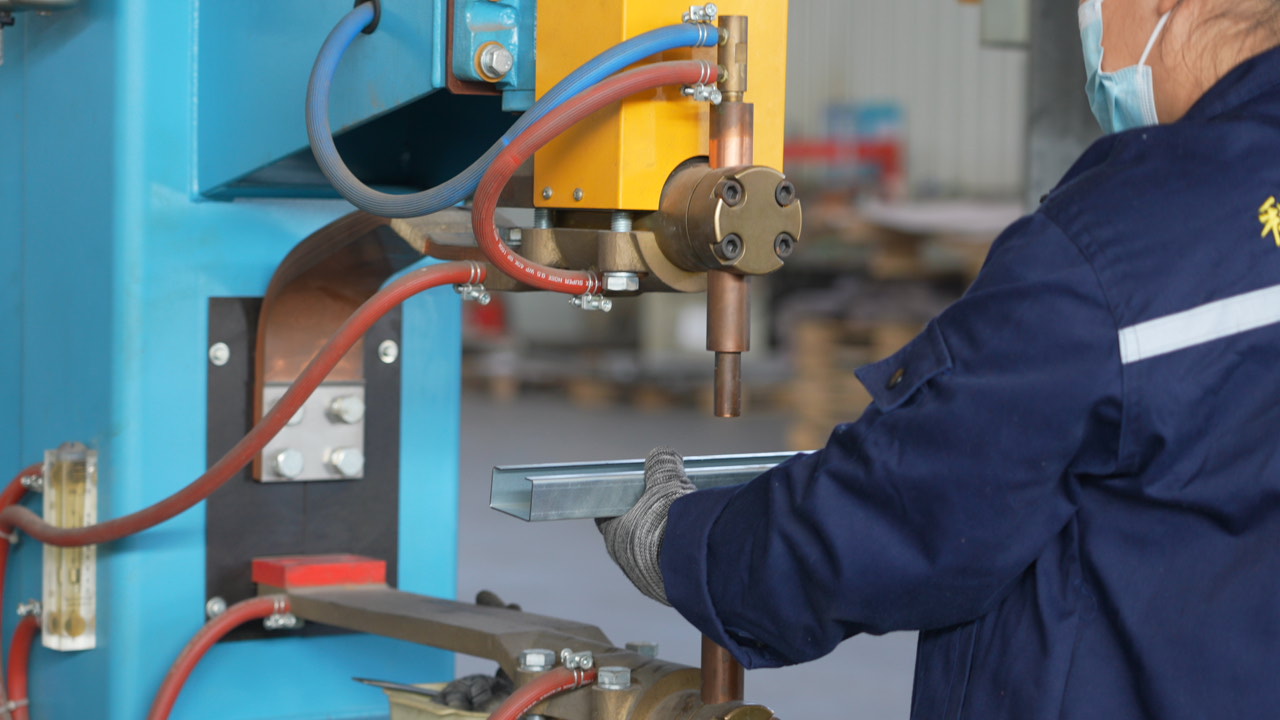
Automated Welding
Standardized welding robots deliver 10x manual efficiency with higher, more stable quality.

Surface Finishing
Options include as-machined, coating, surface treatment, heat treatment, and custom finishes.

Custom Logo
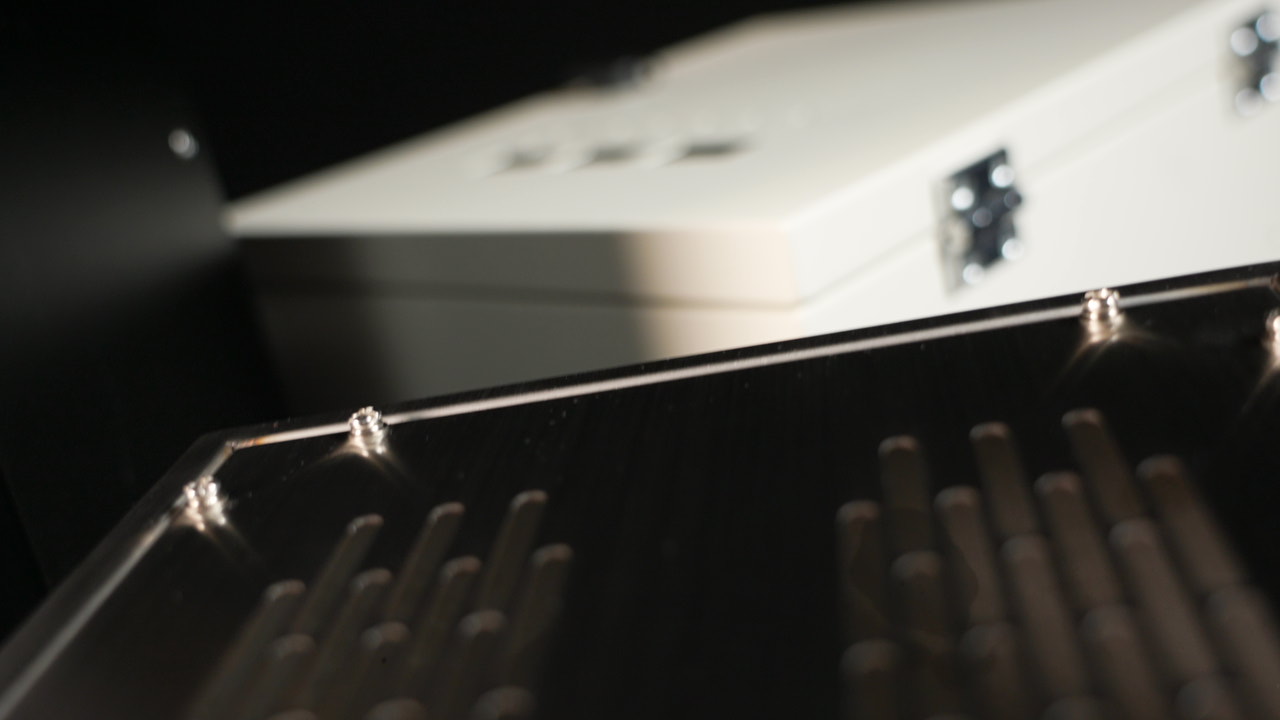
Customer-supplied logos can be printed directly on product surfaces.
Learn More
F.A.Q
01
What information is needed to customize an instrument enclosure?
Provide equipment model, outer dimensions, internal clearance, display/port dimensions, mounting style, layout direction, material specs, finish, thermal/heating needs, quantity, and operating environment. For portable or rackmount units, include handle, rail, rack unit (U), and fastening details.
02
Can displays, ports, and vents be added to the enclosures?
Yes. Cutouts for displays, buttons, connectors, power and comm ports, vents, heat slots, and mounting holes can be customized per device drawings.
03
What factors should be considered for heated instrument enclosures?
Key factors include internal heat sources, target temperatures, uniformity, insulation, heat dissipation zones, electrical safety, and maintenance space. Heaters, thermostats, and insulation are engineered accordingly.
04
Why do sloped instrument enclosures use an inclined panel?
Sloped panels align with operator sightlines and reach, improving visibility of displays, meters, and controls. The tilt angle, panel size, and cutouts are tailored to the application.
05
What is the difference between rackmount, desktop, and portable enclosures?
Rackmount enclosures fit standard racks or cabinets; desktop enclosures suit workbenches and lab tables; portable enclosures include handles, ruggedized frames, and mobile profiles. Dimensions and mounting depend on intended use.
06
What are the features of aluminum instrument enclosures?
They can be customized for device dimensions, panel layouts, interface cutouts, and mounting methods. Aluminum grades, extruded/sheet structures, surface finishes, and thicknesses are tailored to the design.
07
What equipment are instrument enclosures mainly used for?
They house measuring instruments, testing equipment, display modules, controllers, laboratory devices, data acquisition units, and other electronics. Internal space and mounting structures depend on equipment size, weight, and interface layout.
08
What products are included in the instrument enclosure series?
The series includes aluminum, rackmount, sloped-front, portable, desktop, and heated instrument enclosures. Products differ mainly in material, mounting style, operating layout, and thermal management.
Why Trust KNT
Our sheet metal fabrication services benefit numerous industries, businesses, and projects. Here are our key advantages.
One-Stop Precision Manufacturing
High Precision · Multiple Materials
Custom Expertise · Quality Assurance
Request a Quick Quote
Contact us and seewhat we can do for you.
Contact UsContact Us
.png)