

Phone
+86 13230709299

English
English
Online



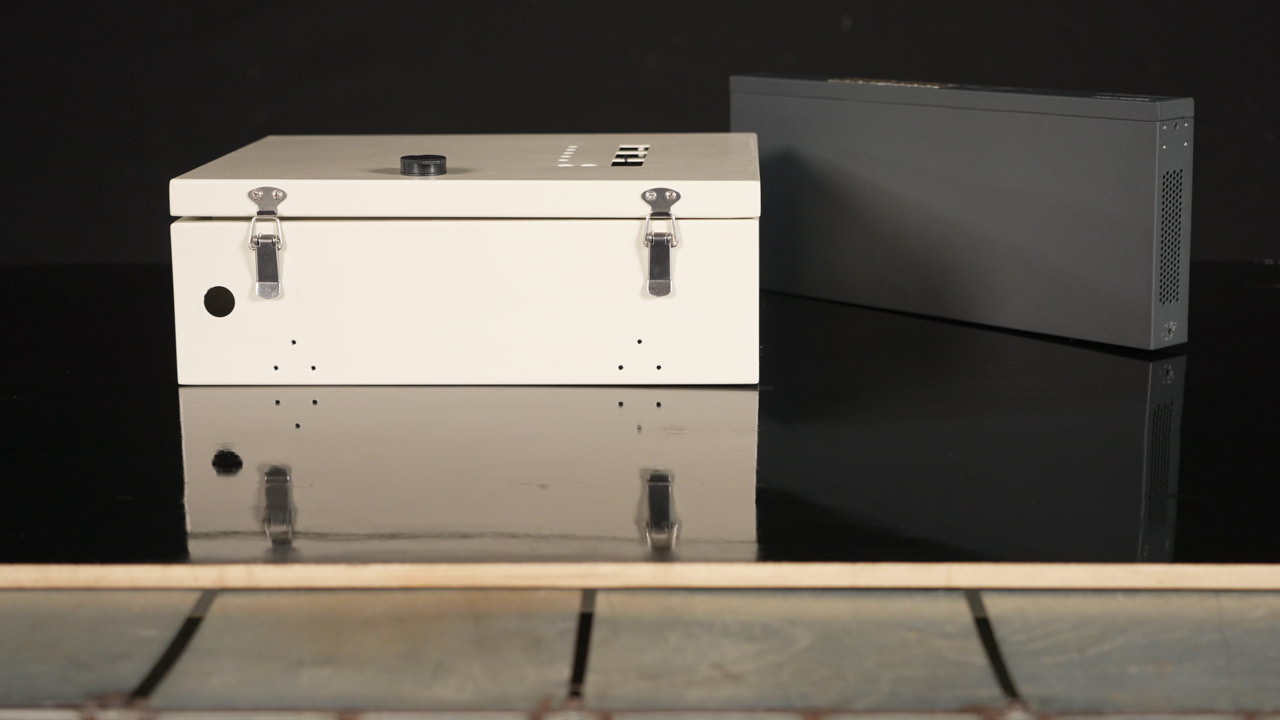
IP67 Heatsink Enclosure
Detailed Specifications
|
Parameter |
Specification |
|
Series |
IP67 Heatsink Enclosure / Extruded Aluminum Thermal Electronic Case |
|
Colors |
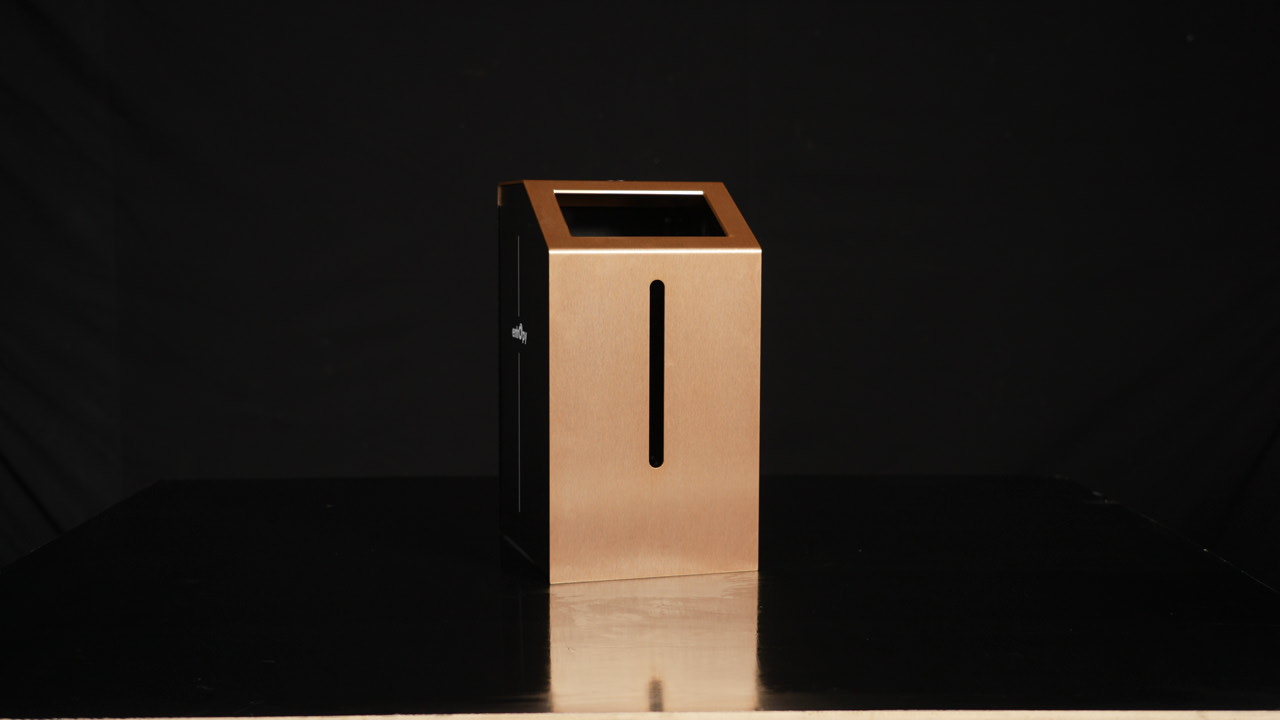
Anodized silver, black, titanium gold, etc. |
|
Dimensions |
Standard extruded aluminum cross-sections & lengths (custom cut available) |
|
Material |
Premium extruded aluminum alloy (6063-T5) |
|
Operating Temperature |
-40°C to +90°C |
|
Protection Rating |
IP67 (complete water & dust protection with efficient passive cooling) |
|
Key Features |
External dense cooling fins, end caps with integrated waterproof seals, precision threaded mounting holes, optional passive waterproof breathable vent |
Process

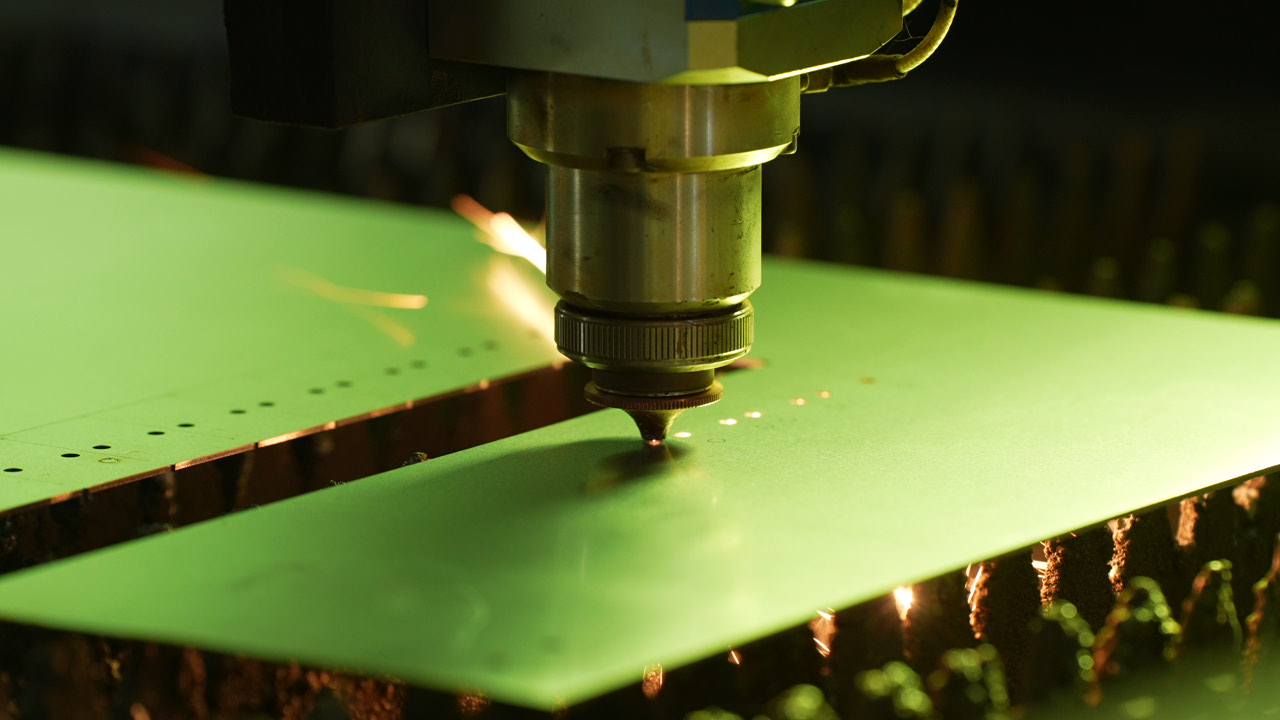
Laser Cutting
Dedicated nitrogen cutting ensures zero oxidation layer on every workpiece.

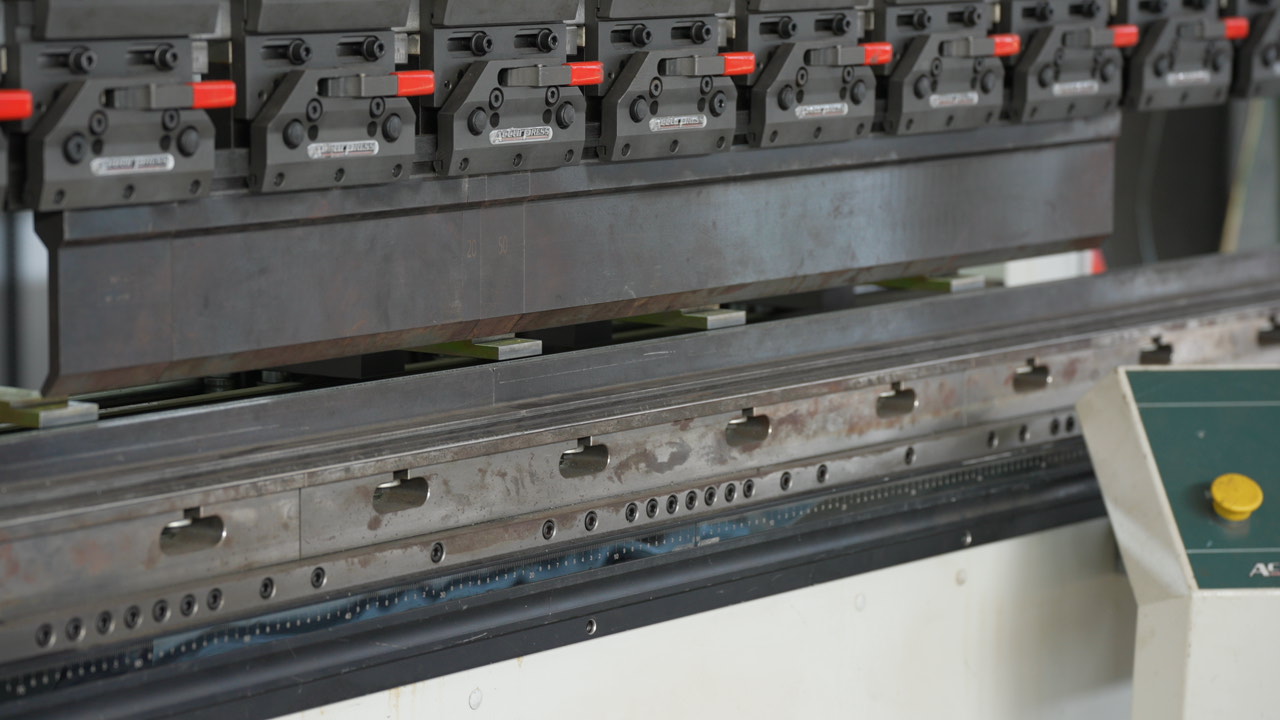
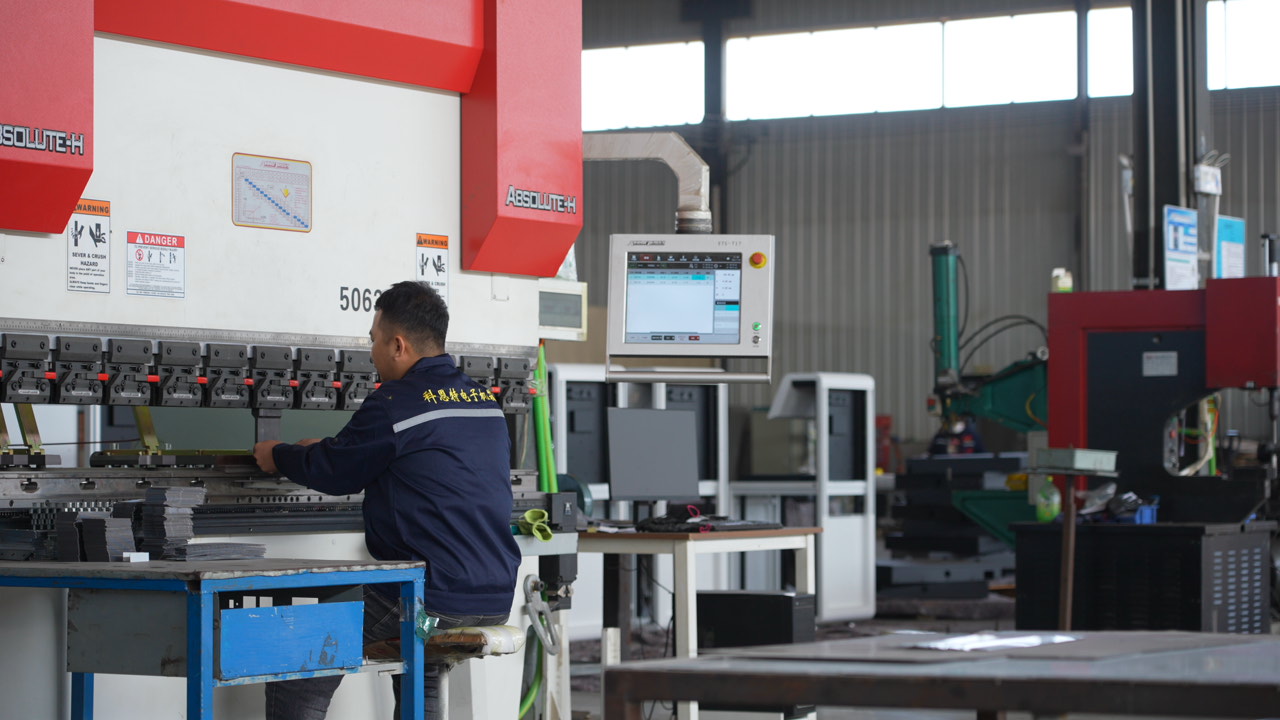
CNC Bending
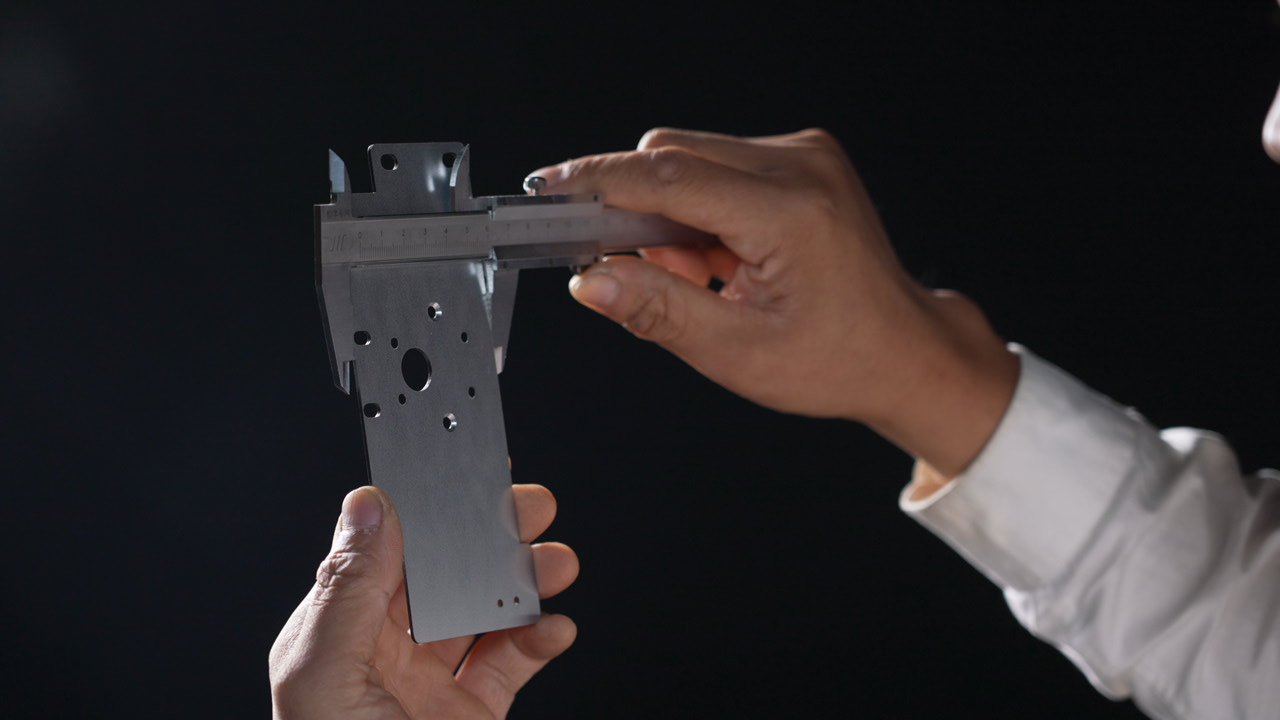
Advanced equipment guarantees precision at every step.

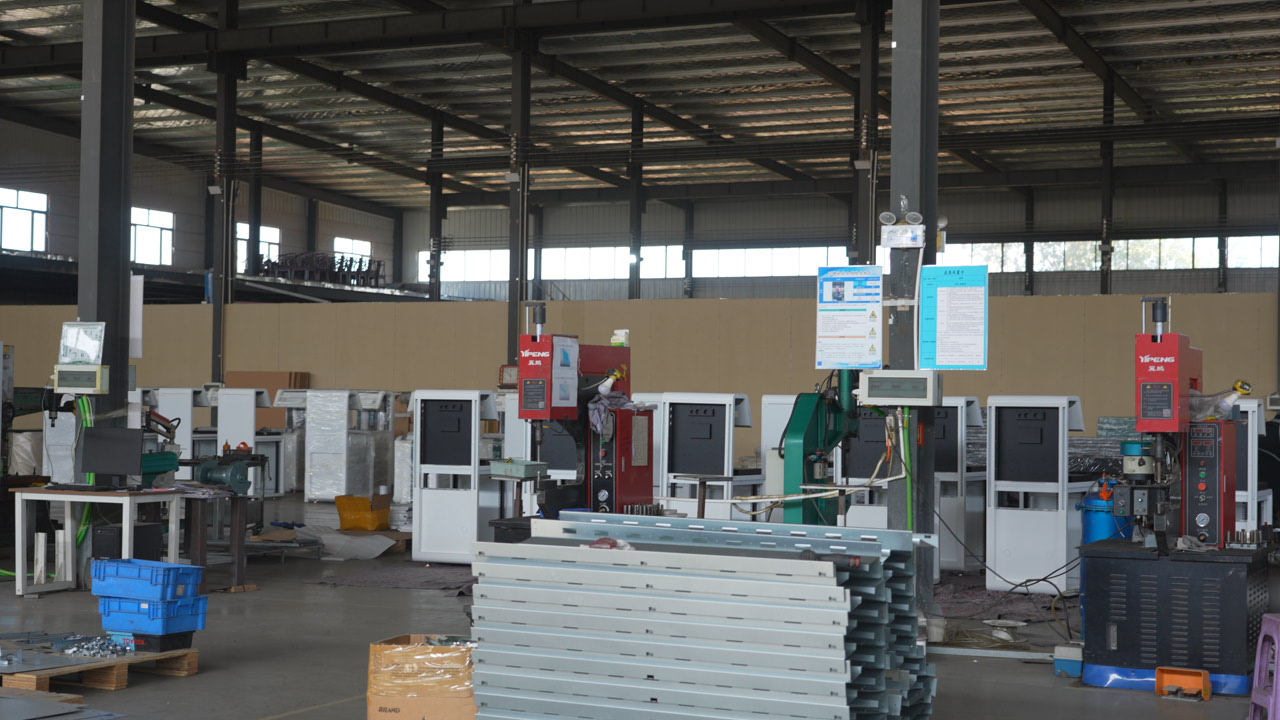
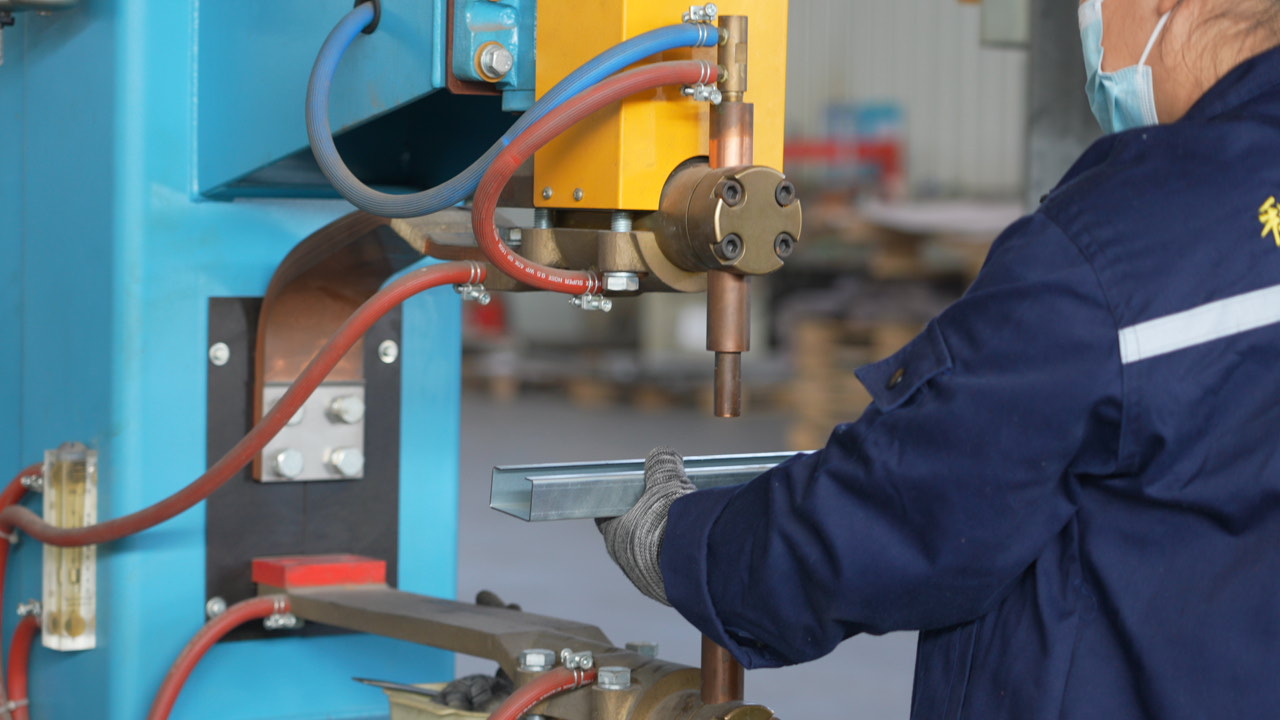
Automated Welding
Standardized welding robots deliver 10x manual efficiency with higher, more stable quality.

Surface Finishing
Options include as-machined, coating, surface treatment, heat treatment, and custom finishes.

Custom Logo
Customer-supplied logos can be printed directly on product surfaces.
Learn More
F.A.Q
01
What details are needed to customize an IP67 enclosure?
Provide equipment model, dimensions, weight, mounting method, internal layout, cutouts/cable entries, thermal requirements, operating environment, and target test conditions. Include battery/BMS specs for battery enclosures, or heat load/cooling data for heatsink enclosures.
02
How do IP67 heatsink enclosures balance sealing and cooling?
First clarify whether the enclosure protects a heatsink or houses equipment with heatsinks installed. Since cooling relies on conduction or airflow and sealing impacts heat transfer, verification must align with equipment heat load and structure.
03
What should be considered for IP67 battery enclosures?
Confirm battery type, module dimensions, BMS, connections, cable exits, thermal management, and maintenance access. As venting and safety requirements vary by battery system, a fully sealed design should not be assumed.
04
How to specify DIN rails for IP67 DIN rail enclosures?
Clarify whether the DIN rail mounts inside the enclosure or the enclosure mounts via the rail. Also specify rail specs, component models/quantities, mounting orientation, and wiring space.
05
What is the difference between IP67 and IP66?
IP67's "7" covers short-term immersion under specified conditions, while IP66's "6" covers powerful water jets. They address different water ingress scenarios; IP67 does not automatically imply passing IP66 water jet tests.
06
Is IP67 suitable for all outdoor or underwater uses?
Not necessarily. Outdoor use requires evaluating UV, temperature, corrosion, condensation, and drainage. Underwater or prolonged water accumulation requires separate evaluation of depth, duration, and pressure beyond just the IP67 rating.
07
What protection does IP67 provide?
In IP67, "6" indicates dust-tight protection and "7" indicates short-term immersion under specified conditions. IP67 does not mean long-term submersion or automatic protection against water jets.
08
What products are in the IP67 enclosure series?
The series includes IP67 DIN rail enclosures, IP67 battery enclosures, and IP67 heatsink enclosures, focusing respectively on rail/component mounting, battery layout/safety, and balancing heat dissipation with sealing.
Why Trust KNT
Our sheet metal fabrication services benefit numerous industries, businesses, and projects. Here are our key advantages.
One-Stop Precision Manufacturing
High Precision · Multiple Materials
Custom Expertise · Quality Assurance
Request a Quick Quote
Contact us and seewhat we can do for you.
Contact UsContact Us