

Phone
+86 13230709299

English
English
Online



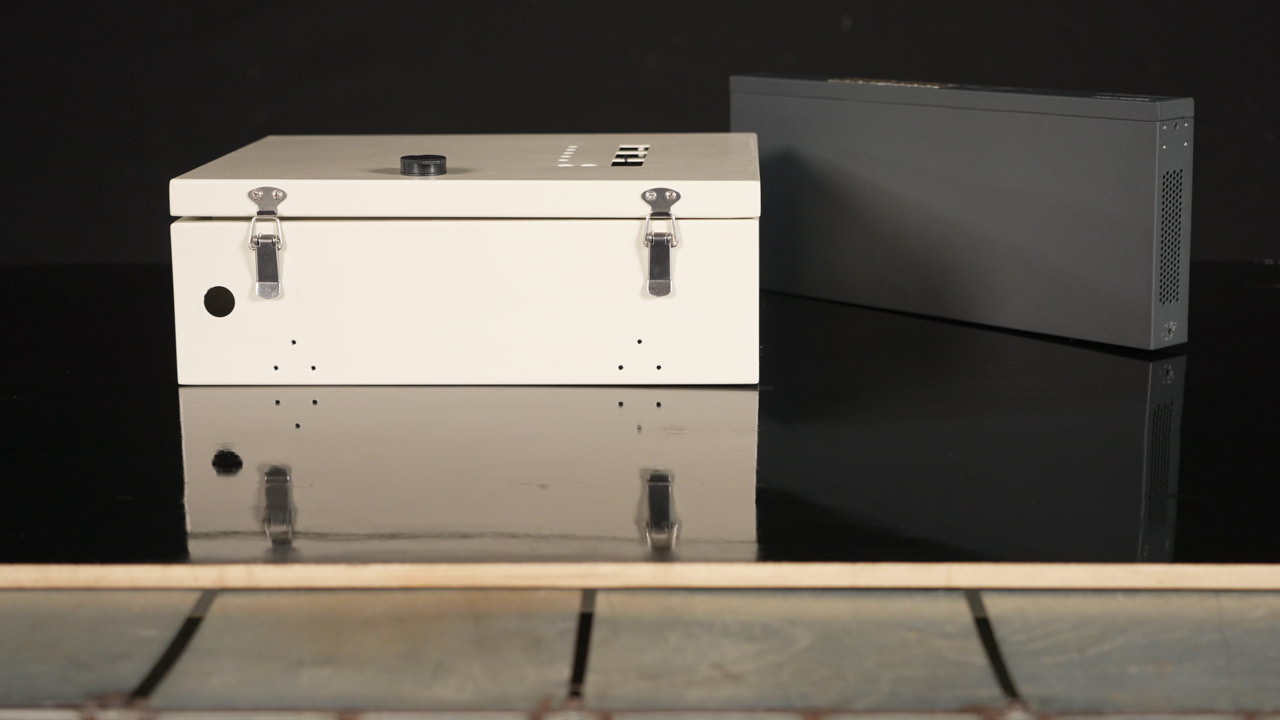
IP67 Battery Enclosure
Detailed Specifications
|
Parameter |
Specification Standard |
|
Product Series |
IP67 Battery Energy Storage Protective Enclosure / Outdoor Power Supply Chassis |
|
Color Options |
Matte black, outdoor gray, silver, military green, or custom colors |
|
Dimensions |
Custom L x W x H for various energy storage modules and lithium battery packs |
|
Metal Material |
304/316 stainless steel enclosure, aluminum enclosure, high-strength carbon steel |
|
Operating Temperature |
-40°C to +85°C (optional cooling or thermal insulation components) |
|
Protection Rating |
IP67 (fully sealed waterproof & dustproof, ensuring battery safety in extreme outdoor and submerged environments) |
|
Core Configuration |
Explosion-proof breather valve, heavy-duty handle/lifting ring, high-sealing O-ring, corrosion-resistant mounting hardware |
Process

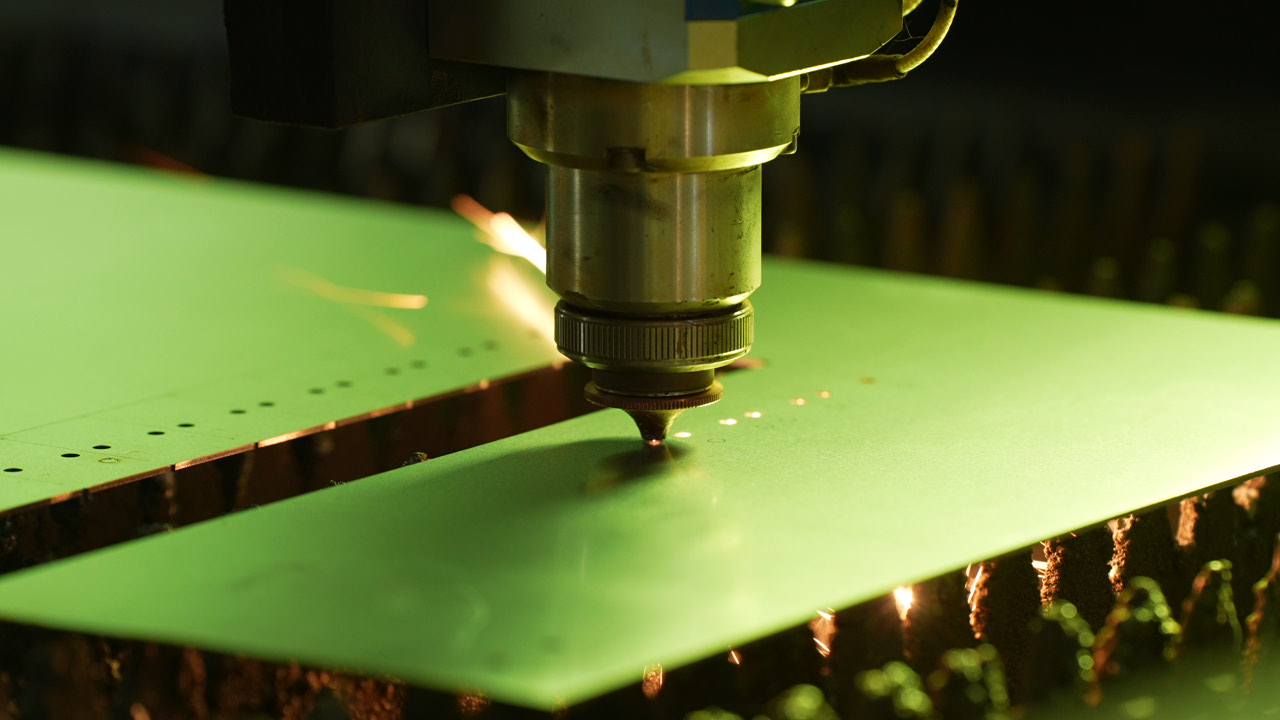
Laser Cutting
Dedicated nitrogen cutting ensures zero oxidation layer on every workpiece.

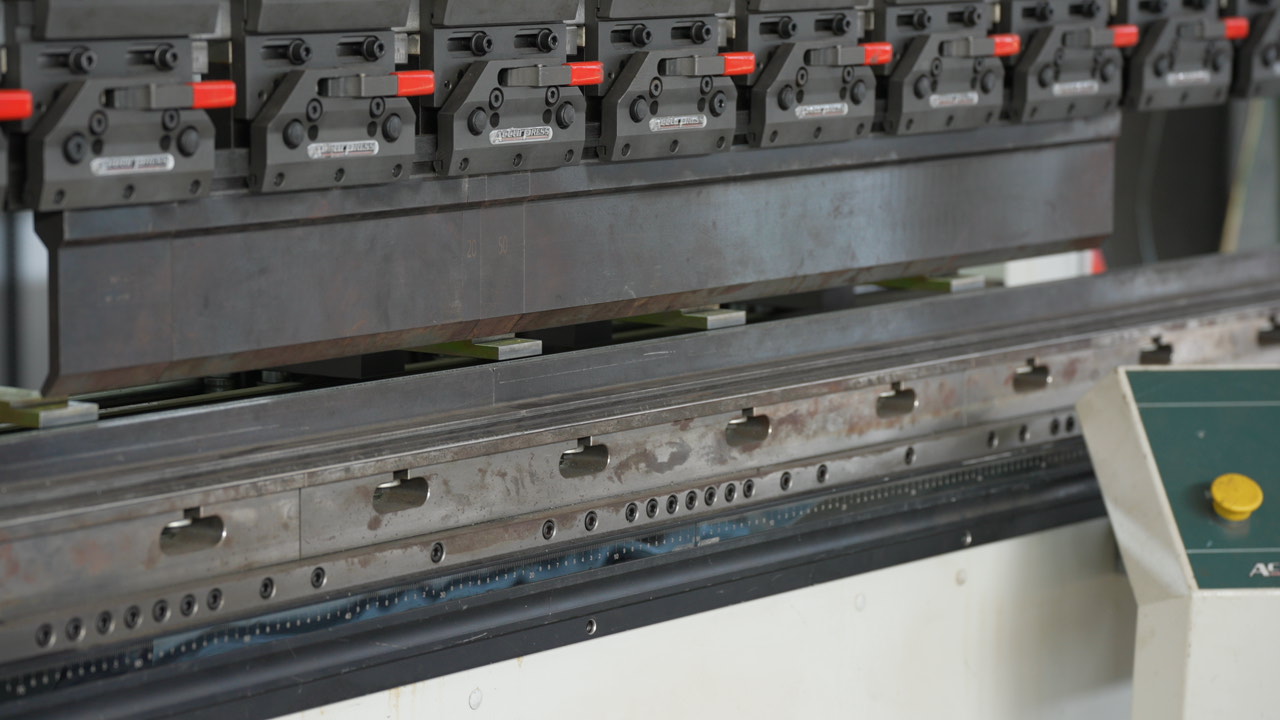
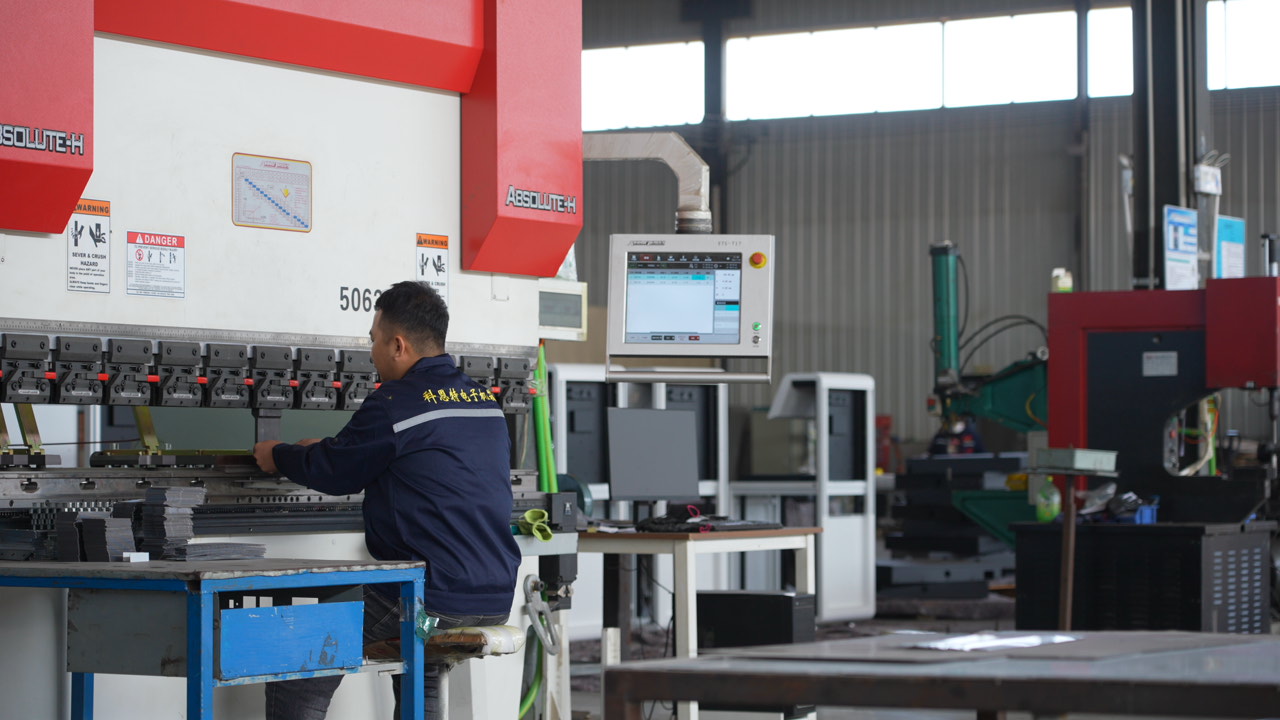
CNC Bending
Advanced equipment guarantees precision at every step.

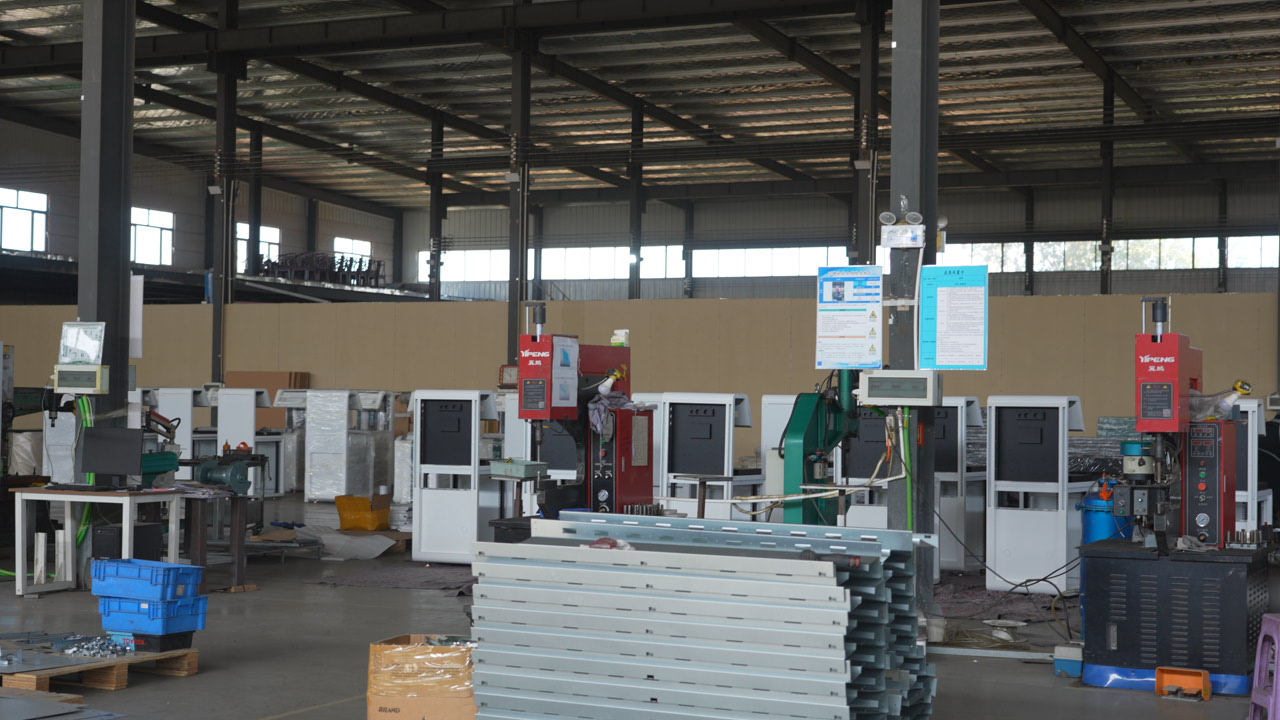
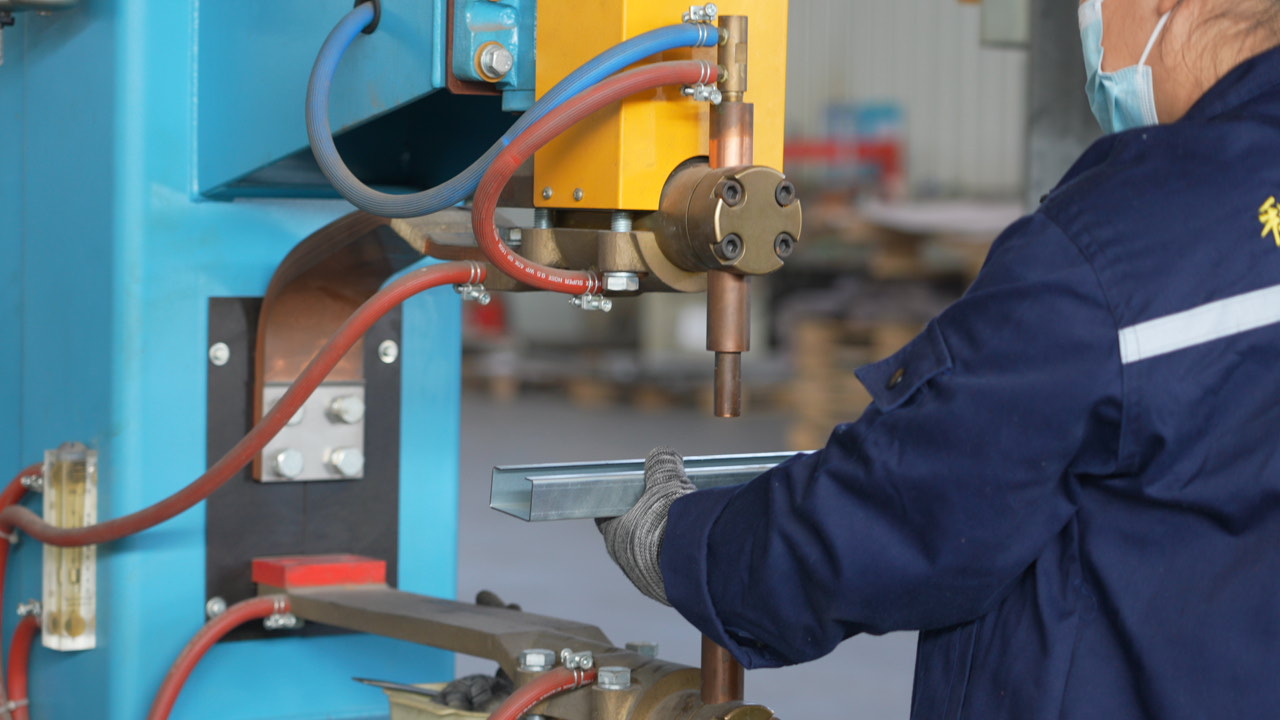
Automated Welding
Standardized welding robots deliver 10x manual efficiency with higher, more stable quality.

Surface Finishing
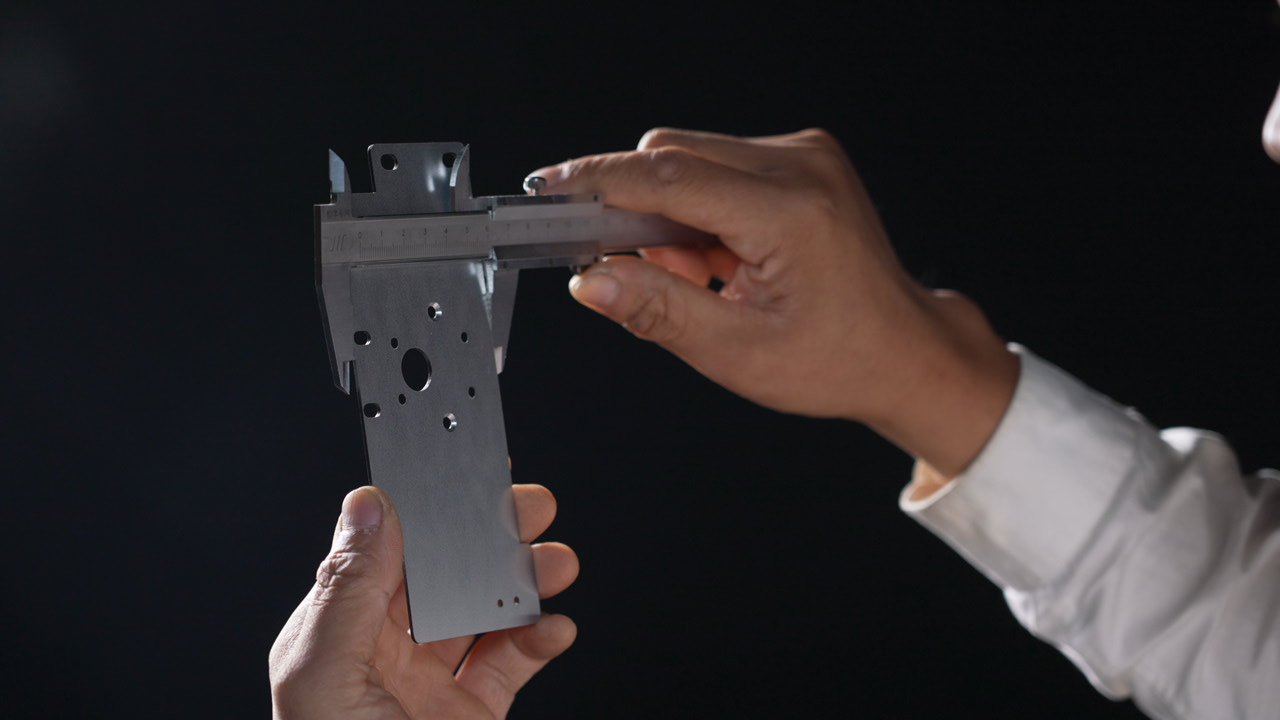
Options include as-machined, coating, surface treatment, heat treatment, and custom finishes.

Custom Logo
Customer-supplied logos can be printed directly on product surfaces.
Learn More
F.A.Q
01
What information is needed to customize an IP67 enclosure?
Provide equipment model, dimensions, weight, mounting method, internal layout, cutouts/cable entries, thermal requirements, operating environment, and target test conditions. Include battery and BMS data for battery enclosures, or heat output and cooling methods for heat sink enclosures.
02
How does an IP67 heat sink enclosure balance sealing and heat dissipation?
First clarify whether the enclosure protects a heat sink or houses equipment equipped with one. Cooling relies on thermal conduction or airflow, while sealing can affect heat transfer; validation based on equipment heat output and design is required.
03
What factors should be considered for IP67 battery enclosures?
Verify battery type, module dimensions, BMS, connection methods, cable exits, thermal management, and maintenance space. Ventilation and safety needs vary by battery system; fully sealed construction should not be assumed.
04
How are DIN rails specified in an IP67 DIN rail enclosure?
Determine whether the DIN rail is mounted inside the enclosure or if the enclosure mounts via a rail. Also specify rail dimensions, component models/quantities, mounting orientation, and wiring space.
05
What is the difference between IP67 and IP66?
The second digit "7" in IP67 denotes short-term immersion testing under specified conditions, while "6" in IP66 denotes protection against powerful water jets. They address different water ingress scenarios; IP67 does not automatically imply passing IP66 water jet tests.
06
Is IP67 suitable for all outdoor or underwater environments?
Not necessarily. Outdoor use requires evaluating UV, temperature fluctuations, corrosion, condensation, and drainage. Submerged or standing water uses require assessing depth, duration, and pressure beyond the IP67 rating alone.
07
What protection does IP67 provide?
In IP67, "6" indicates dust-tight protection, and "7" indicates short-term immersion testing under specified conditions. IP67 does not mean long-term submersion or automatic protection against water jets.
08
What products are included in the IP67 enclosure series?
The series includes IP67 DIN rail enclosures, IP67 battery enclosures, and IP67 heat sink enclosures. These require focus on rail/component mounting, battery layout/safety, and the balance between cooling and sealing, respectively.
Why Trust KNT
Our sheet metal fabrication services benefit numerous industries, businesses, and projects. Here are our key advantages.
One-Stop Precision Manufacturing
High Precision · Multiple Materials
Custom Expertise · Quality Assurance
Request a Quick Quote
Contact us and seewhat we can do for you.
Contact UsContact Us