

Phone
+86 13230709299

English
English
Online



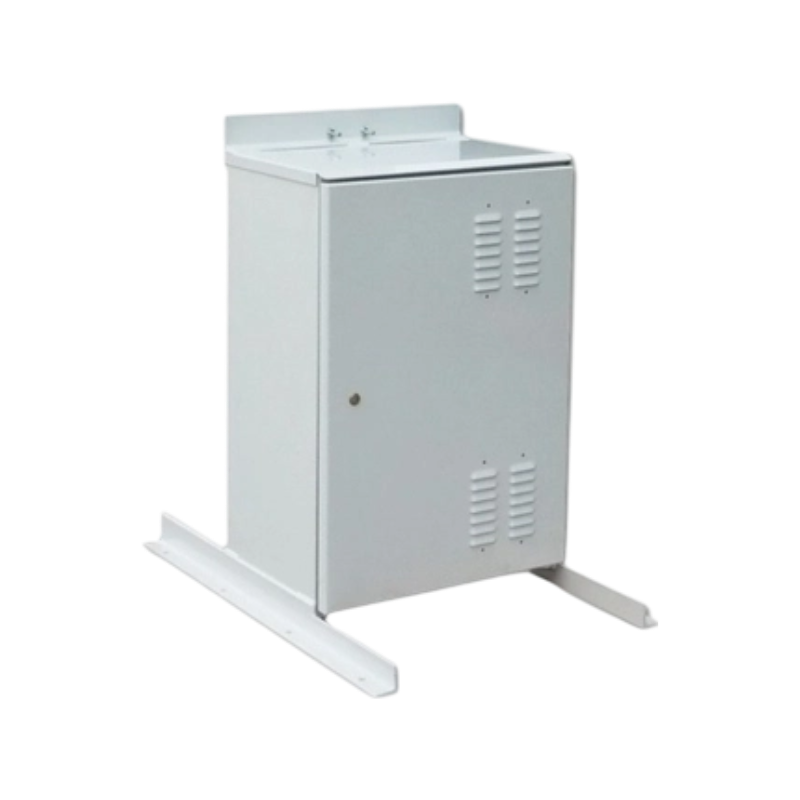
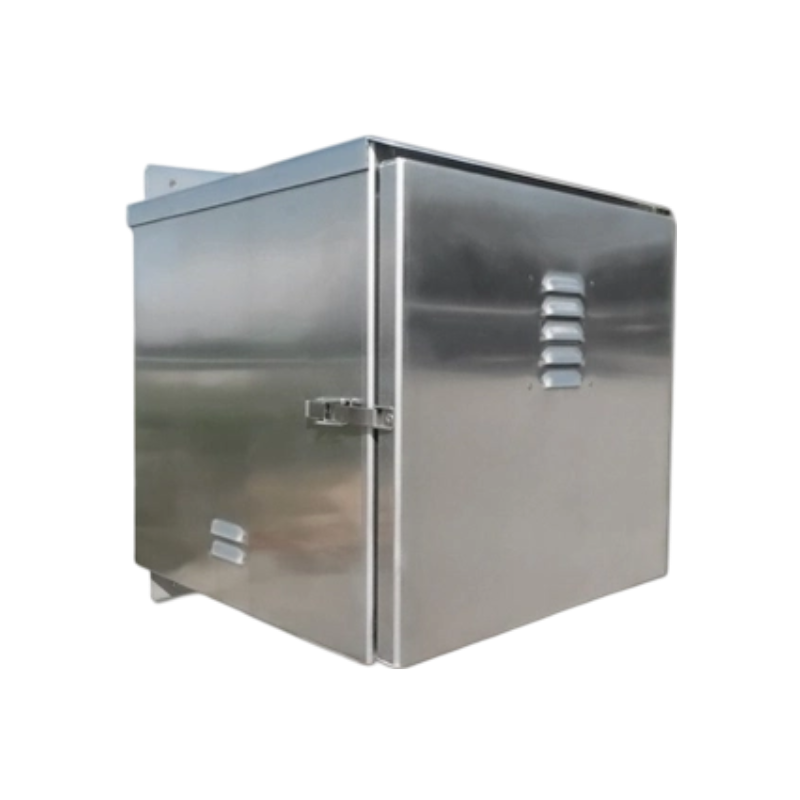
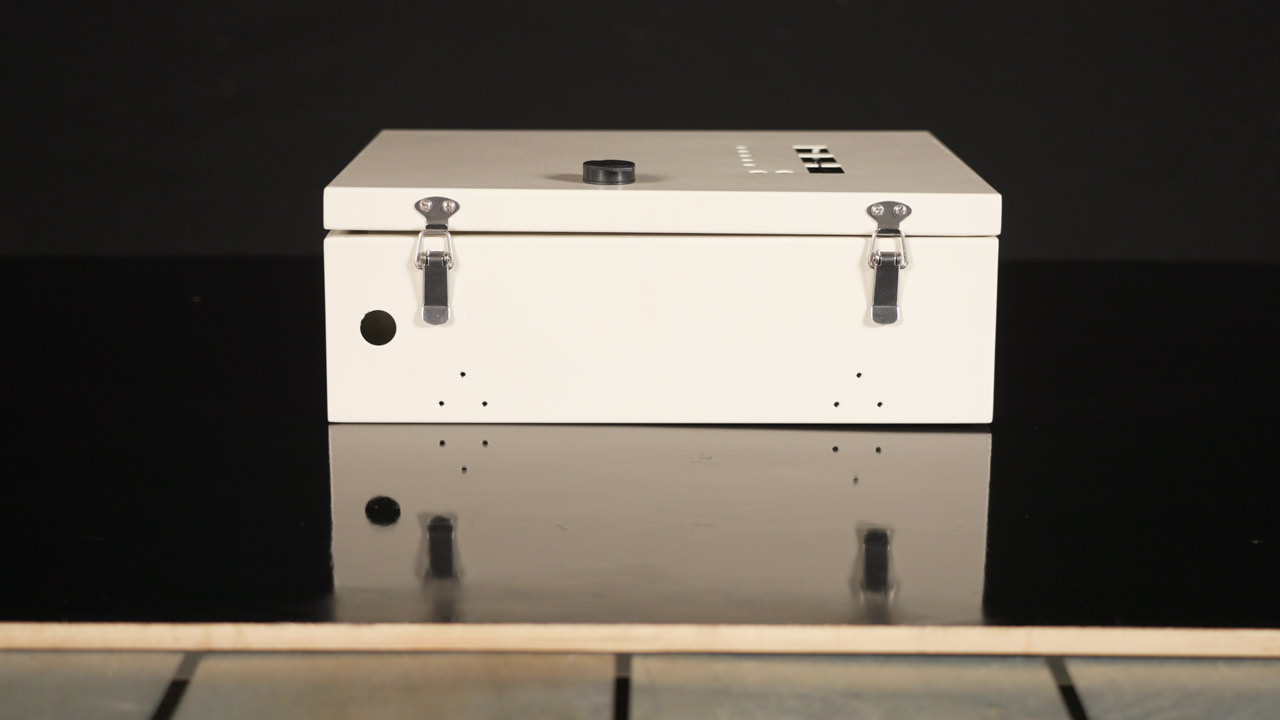
Flexible Off-Grid 316 Stainless Steel Solar Battery Enclosure Cabinet
Detailed Specifications
|
Body Material |
Industrial-grade 316 Stainless Steel |
|
Corrosion Resistance |
Superior chloride, acid, and alkali resistance |
|
Applications |
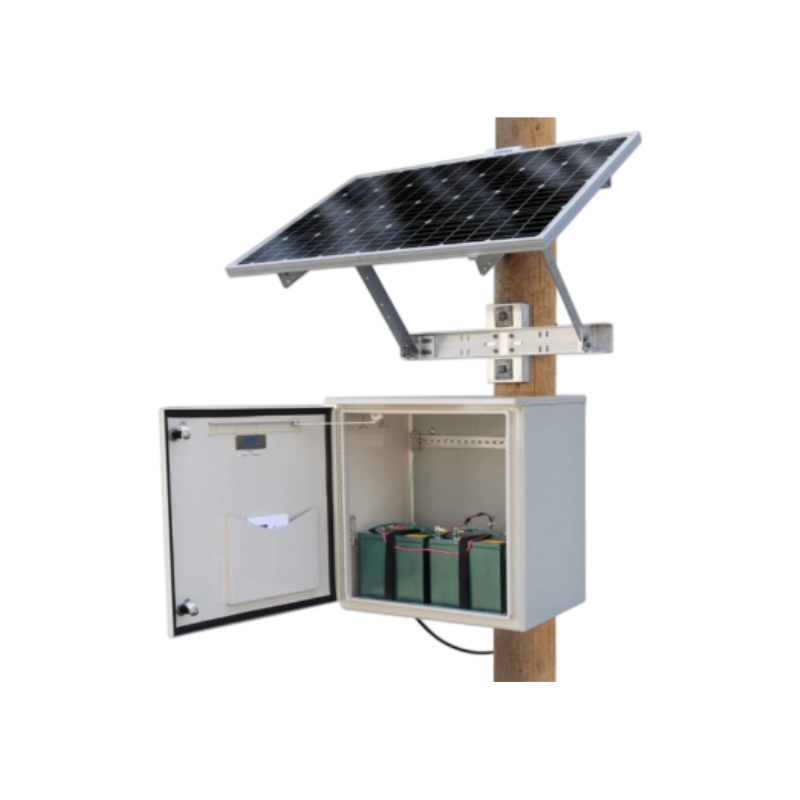
Remote areas, off-grid, and mobile energy storage |
|
Structural Features |
High-rigidity anti-tamper design |
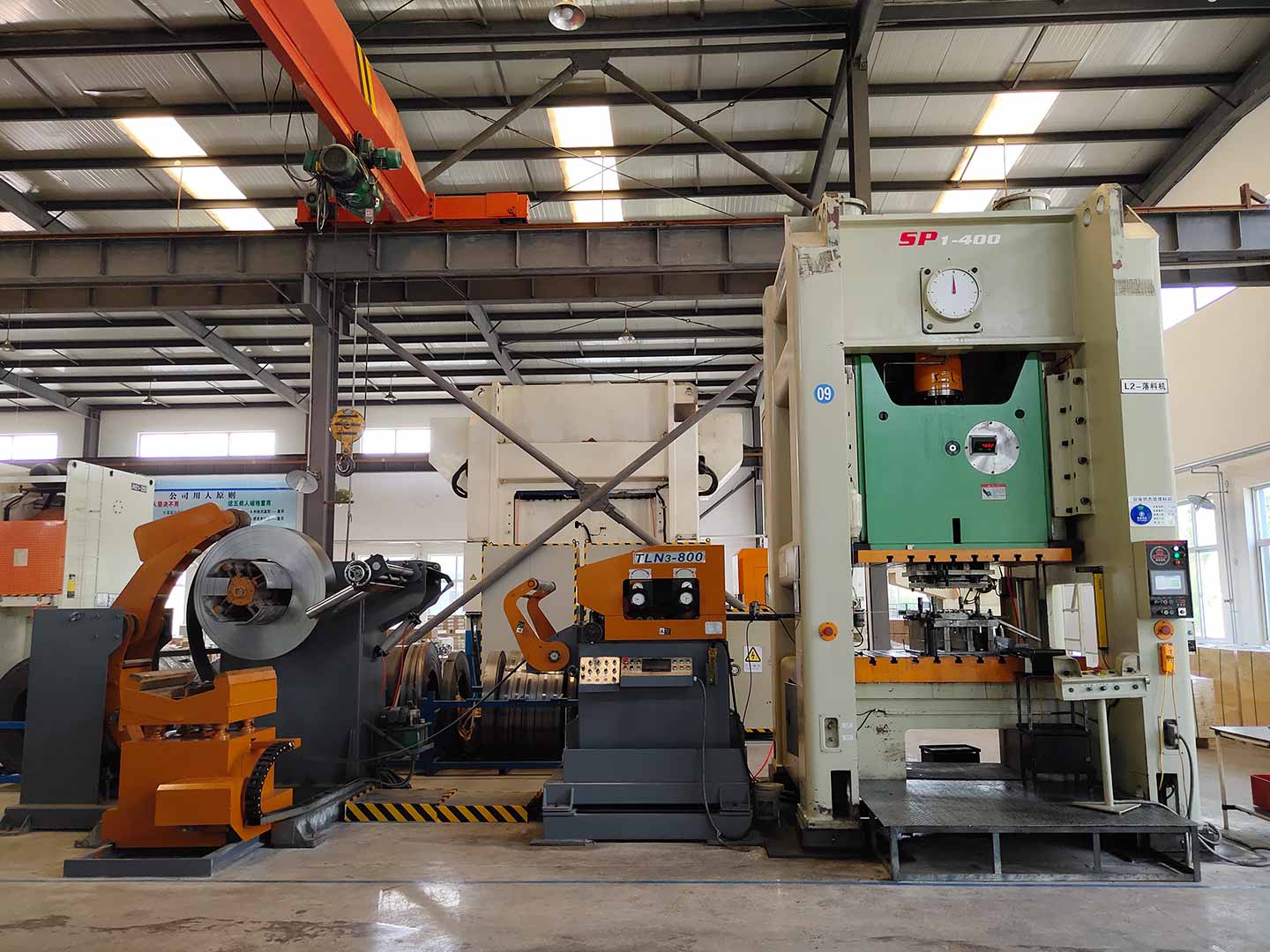
Process

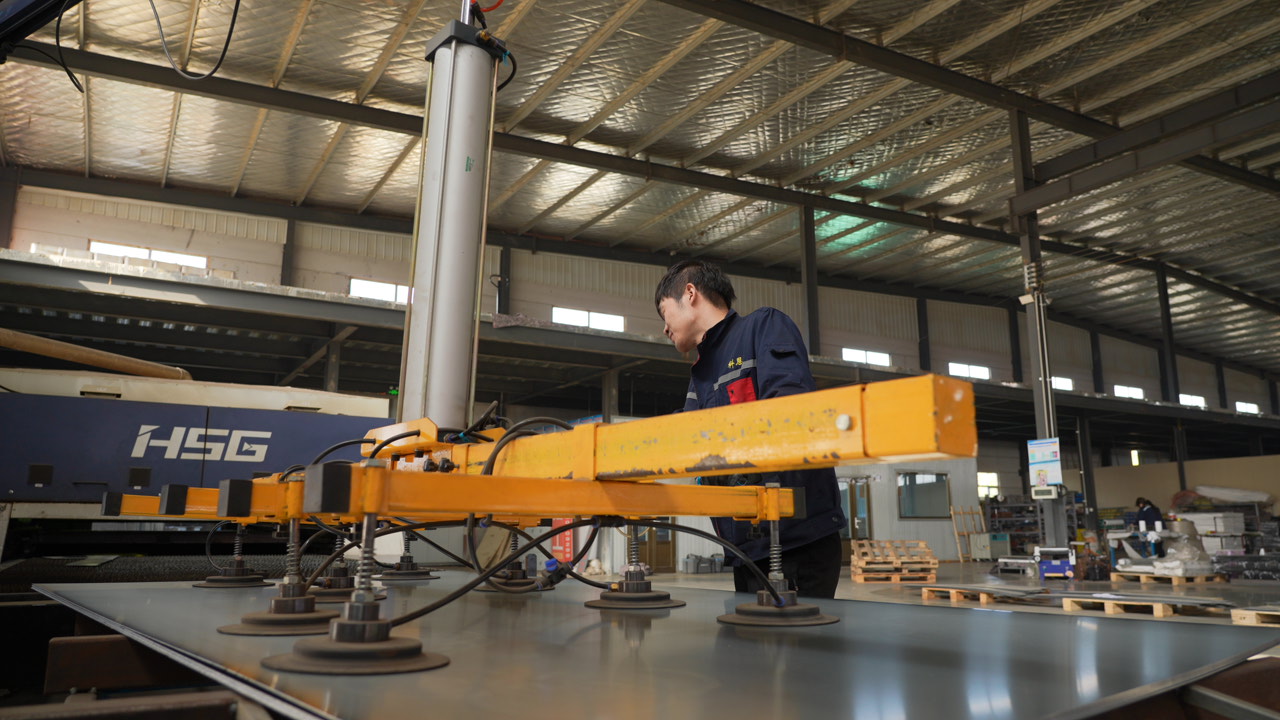
Laser Cutting
Dedicated nitrogen cutting ensures zero oxidation layer on every workpiece.

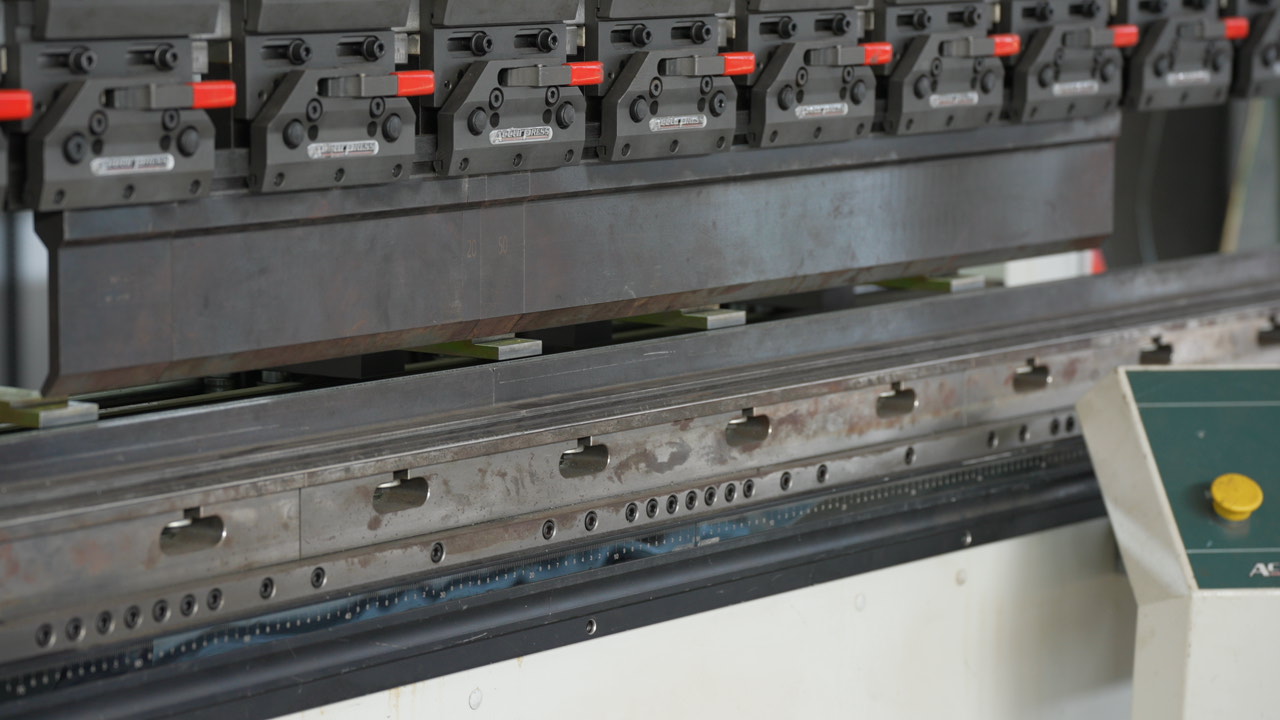
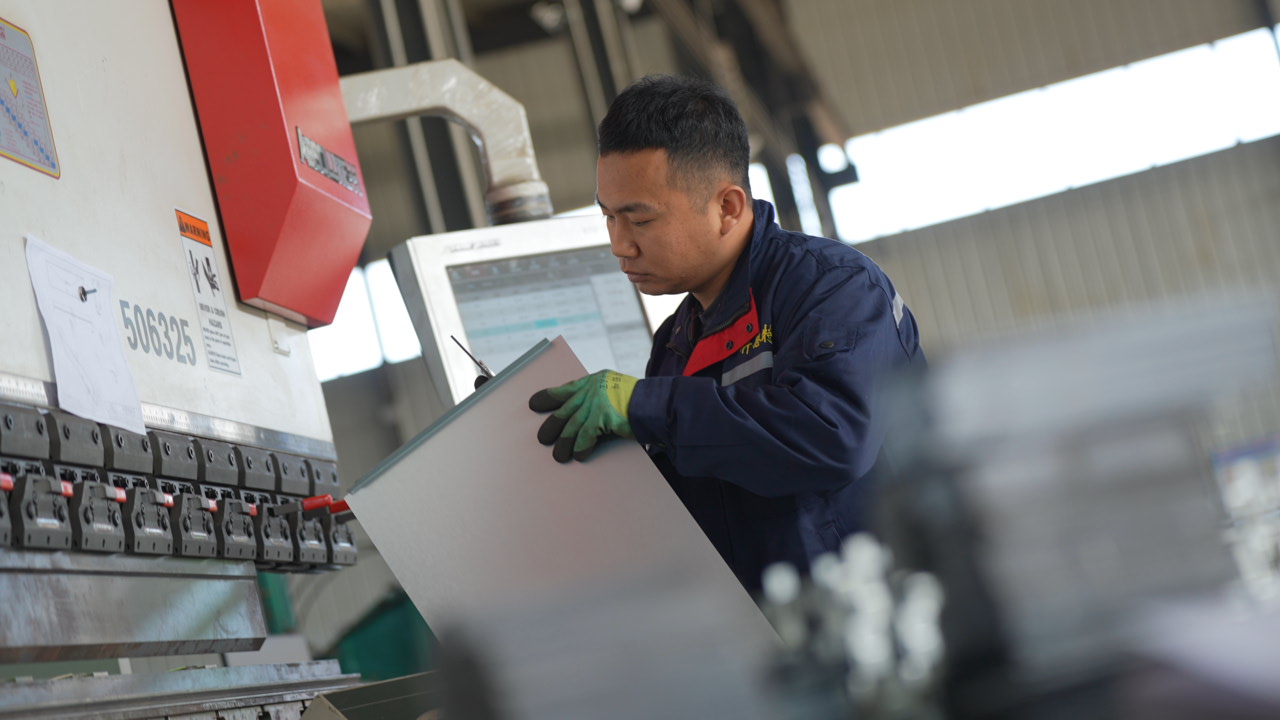
CNC Bending
Advanced equipment guarantees precision at every step.

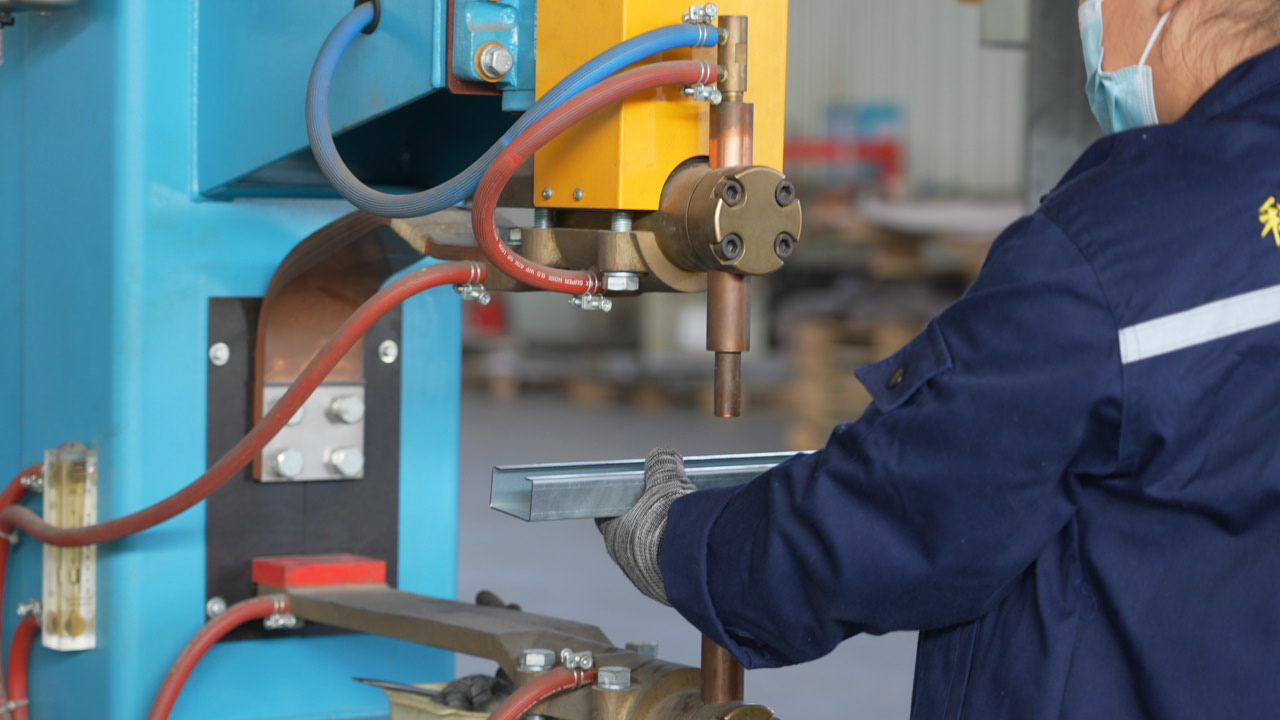
Automated Welding
Standardized welding robots deliver 10x manual efficiency with higher, more stable quality.

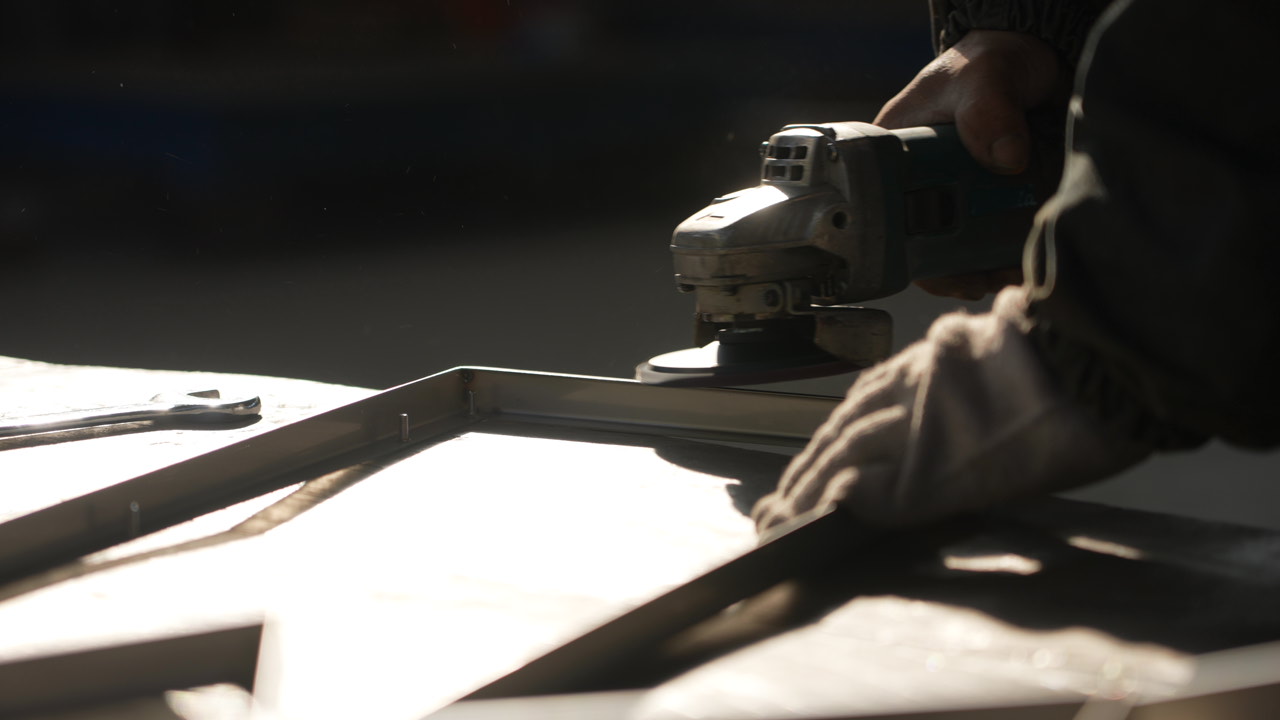
Surface Finishing
Options include as-machined, coating, surface treatment, heat treatment, and custom finishes.

Custom Logo
Customer-supplied logos can be printed directly on product surfaces.
Learn More
F.A.Q
01
What information is required to customize a solar battery enclosure?
Provide battery type, module size, weight, external dimensions, mounting method, cable entry, maintenance clearance, operating site, target IP rating, material specs, and quantity. Include equipment lists and layouts if housing inverters, controllers, or comms.
02
What do C10 and 42u mean in the aluminum C10 42u IP67 solar battery enclosure?
C10 and 42U denote model numbers, capacity ratings, rack heights, or equipment specs per manufacturer drawings. Providing dimensions, internal clearance, mounting methods, and compatible equipment details is recommended.
03
What factors should be considered for off-grid solar battery enclosures?
Flexible off-grid 316 stainless steel enclosures require design based on battery type, installation site, charging gear, cabling, maintenance access, and environmental conditions. Needs for ventilation, cooling, insulation, or drainage depend on the battery system and site conditions.
04
What is the difference between IP65 and IP67 solar battery enclosures?
IP65 and IP67 specify different dust and water ingress protection levels, determined by doors, seals, cable glands, vents, and overall assembly. Final ratings should be verified via test reports, certifications, or technical specifications.
05
What materials are available for solar battery enclosures?
Materials include mild steel, aluminum, and 316 stainless steel. Mild steel requires specific surface finishes for outdoor protection; aluminum requires alloy grade and structure verification; 316 stainless steel selection depends on corrosive environments and project standards.
06
What are the differences between mounting options for solar battery enclosures?
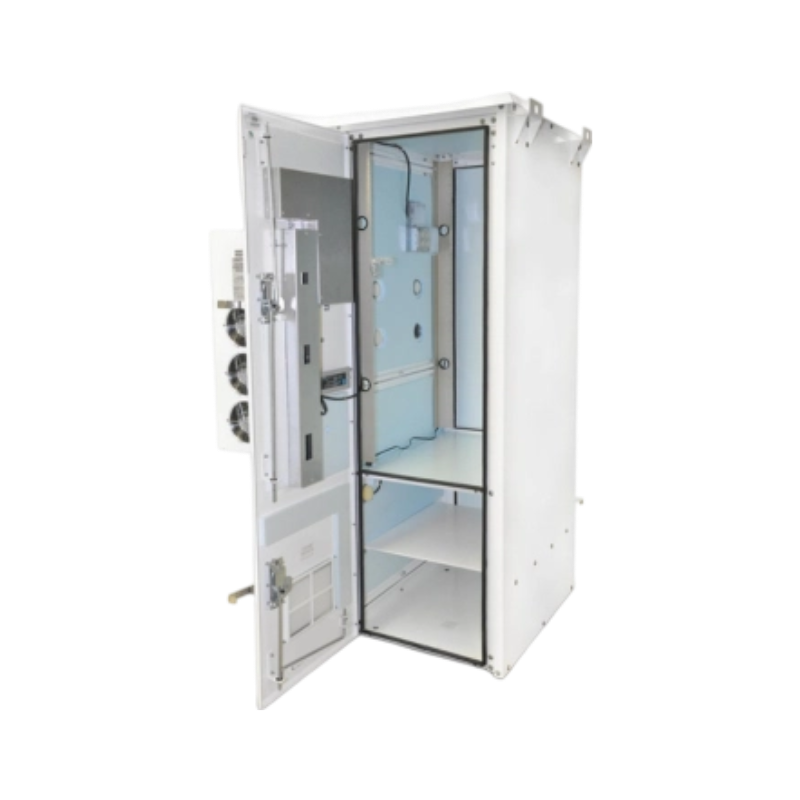
Wall-mounted units suit walls or equipment facades; pole-mounted units fit poles or support structures; free-standing enclosures typically feature bases or floor-mount frames. Choice depends on weight, site space, foundation, and maintenance needs.
07
What equipment is the solar battery enclosure mainly used to house?
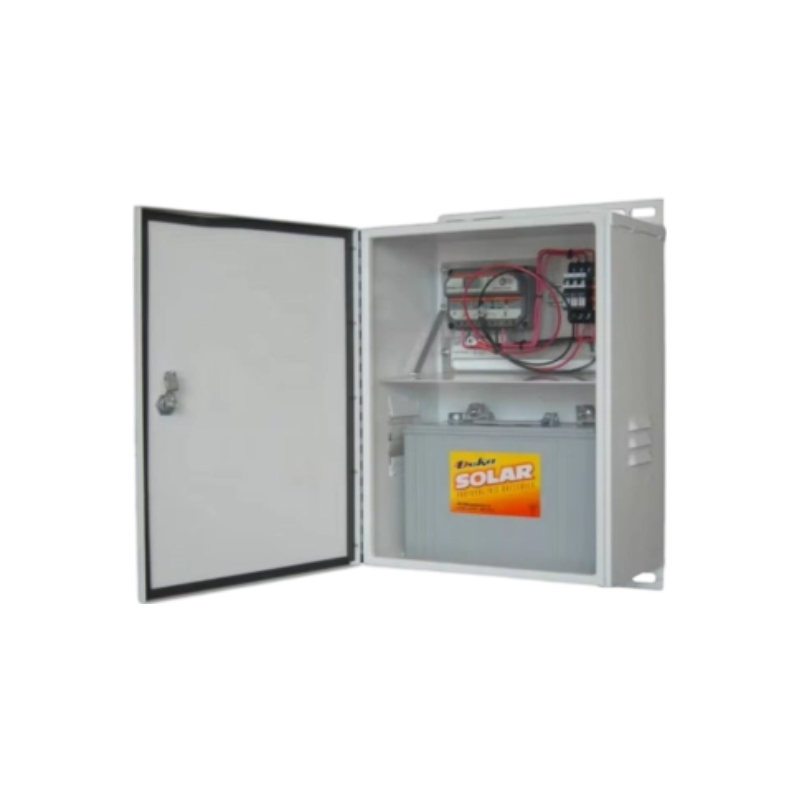
It mainly houses solar energy storage batteries, modules, BMS units, controllers, inverters, and related cabling. Internal configuration depends on battery type, equipment dimensions, capacity, and system design.
08
What products are included in the solar battery enclosure series?
This series includes mild steel wall-mounted enclosures, outdoor weatherproof pole-mounted enclosures, aluminum free-standing outdoor enclosures, custom IP65 waterproof enclosures, flexible off-grid 316 stainless steel enclosures, and aluminum C10 42U IP67 solar battery enclosures.
Why Trust KNT
Our sheet metal fabrication services benefit numerous industries, businesses, and projects. Here are our key advantages.
One-Stop Precision Manufacturing
High Precision · Multiple Materials
Custom Expertise · Quality Assurance
Request a Quick Quote
Contact us and seewhat we can do for you.
Contact UsContact Us