
Phone
+86 13230709299

English
English
Online



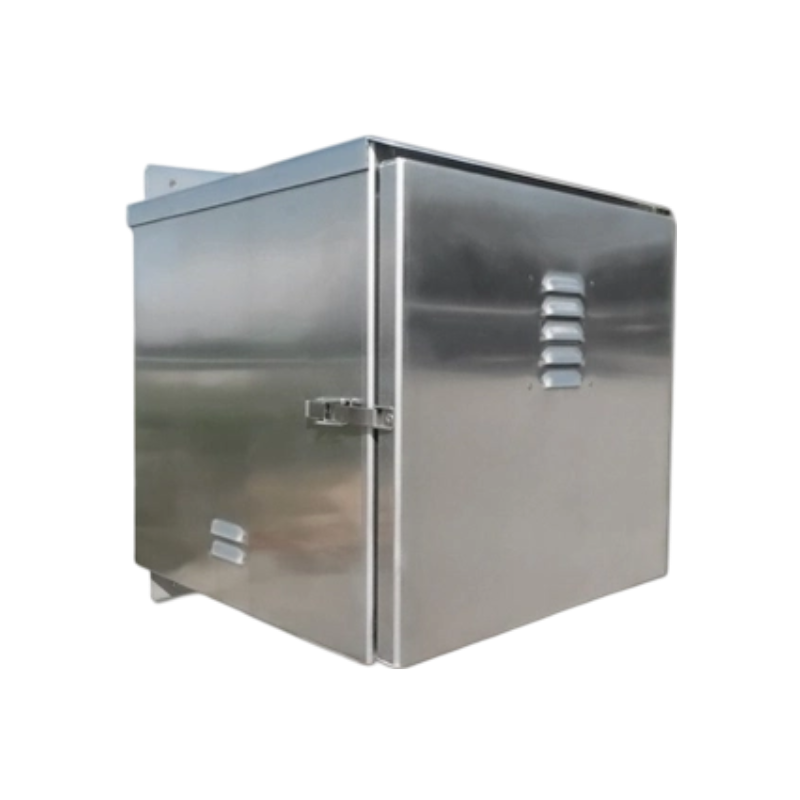
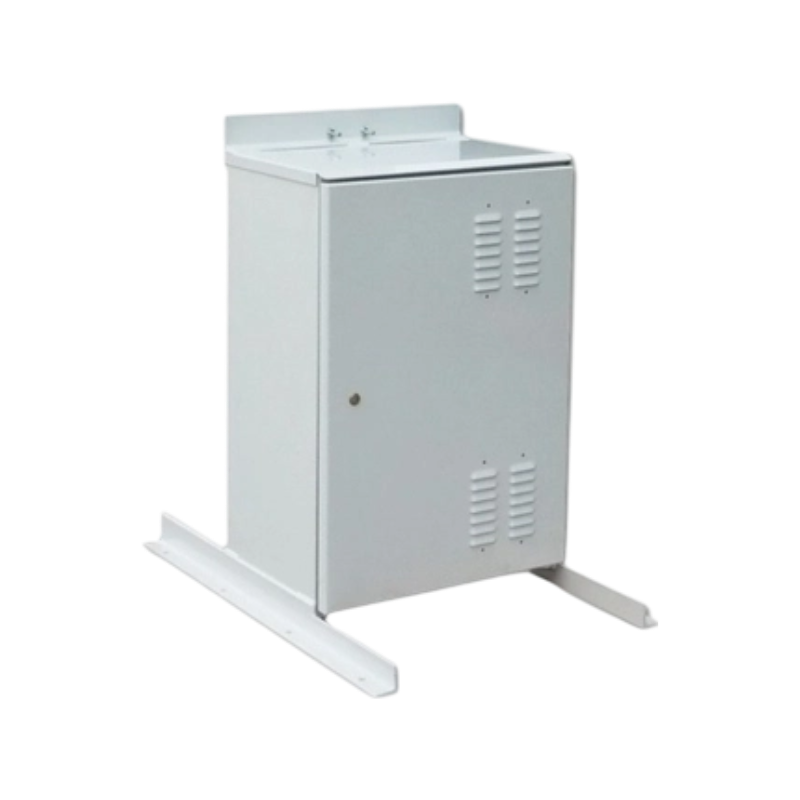
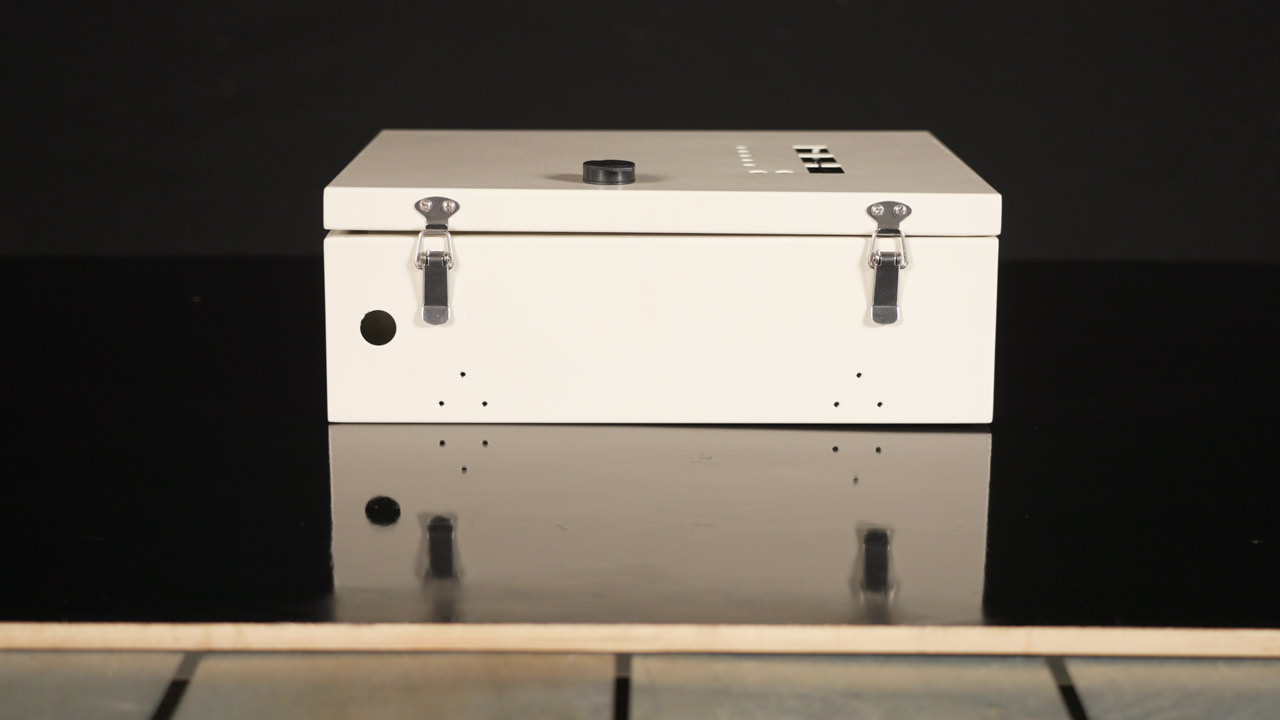
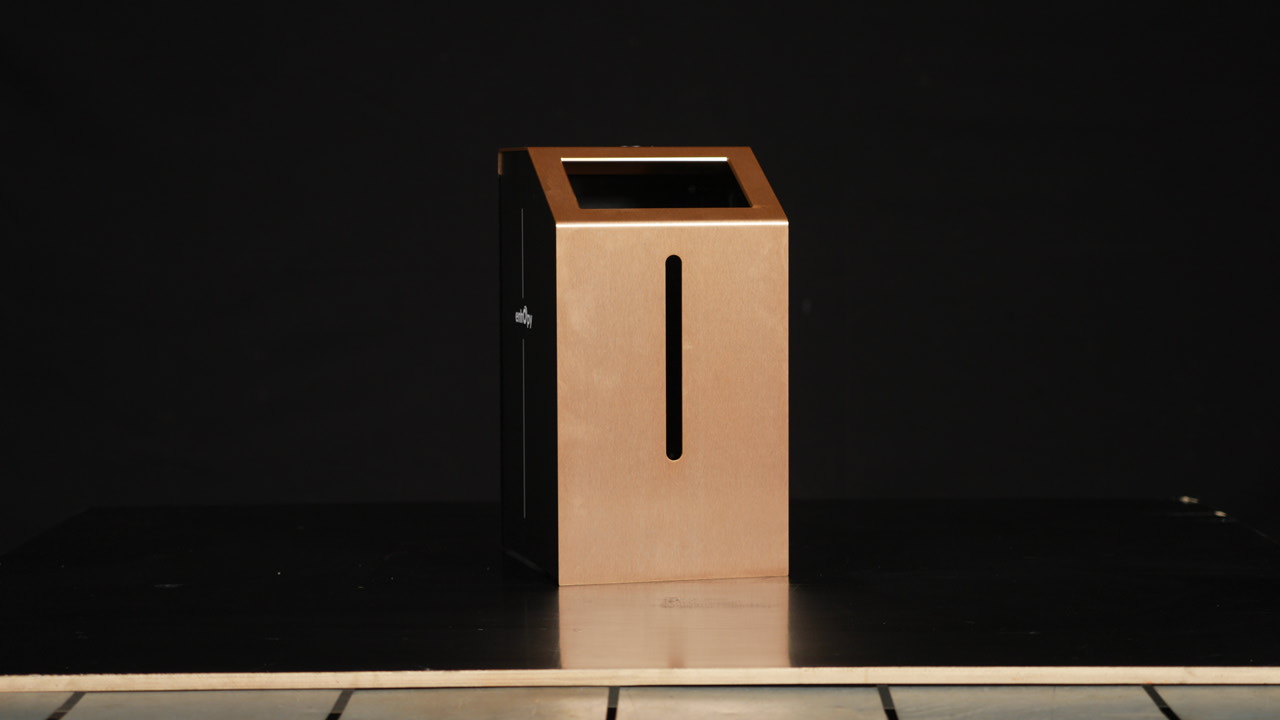
Custom IP65 Waterproof Solar Battery Enclosure Cabinet
Detailed Specifications
|
Protection Level |
Level 6 Dustproof / Level 5 Waterproof |
|
Sealing Design |
Seamless foamed sealing strip |
|
Custom Service |
Custom dimensions, shapes, and cutouts supported |
|
Surface Treatment |
UV-resistant powder coating |
Process
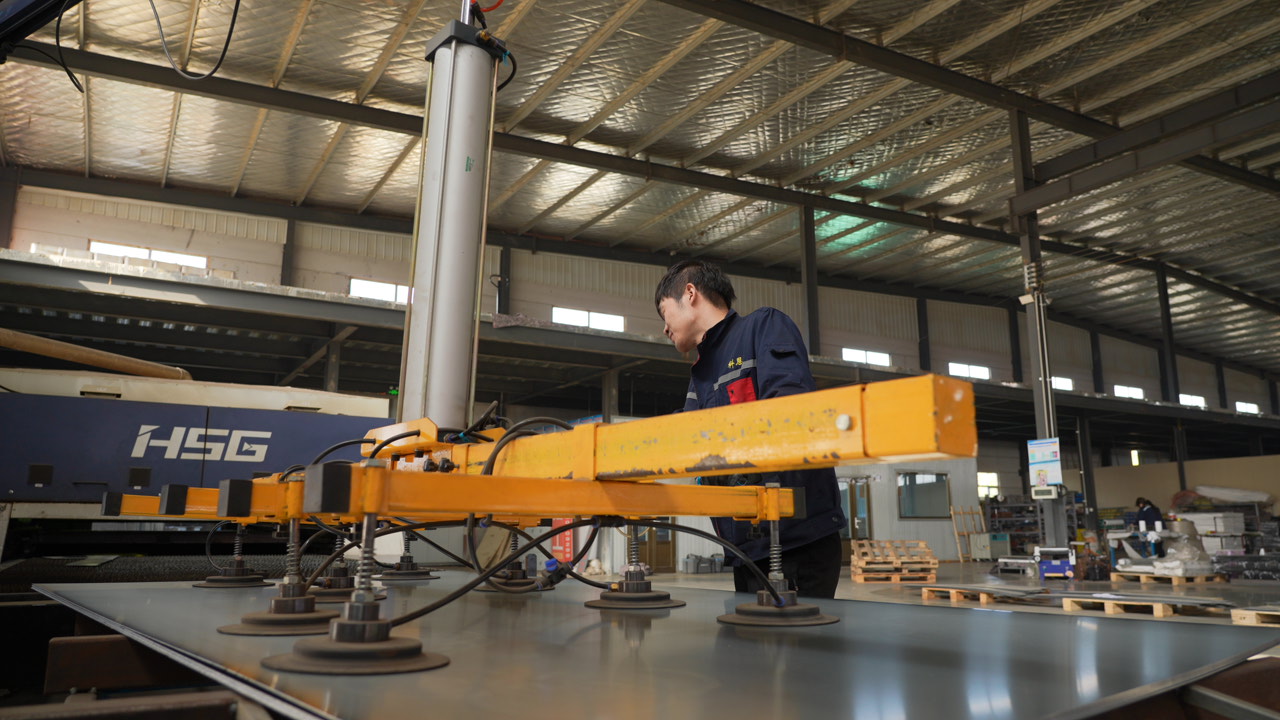
Laser Cutting
Dedicated nitrogen cutting ensures zero oxidation layer on every workpiece.
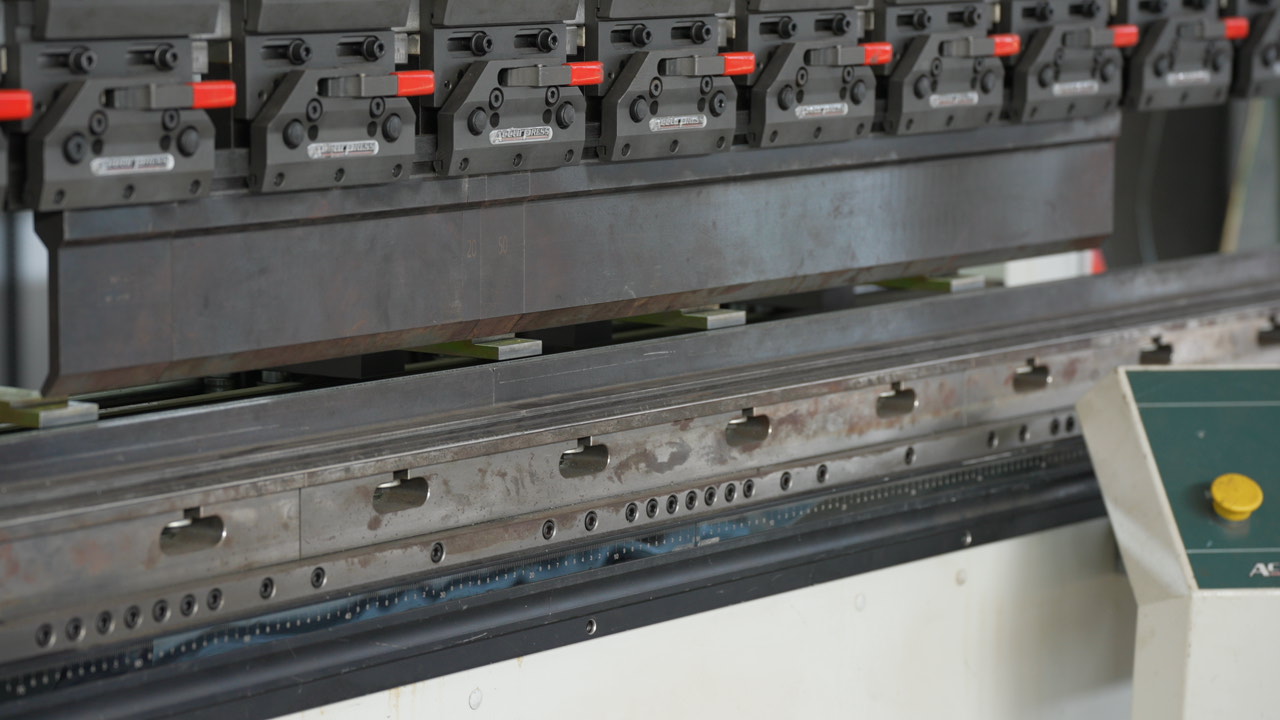
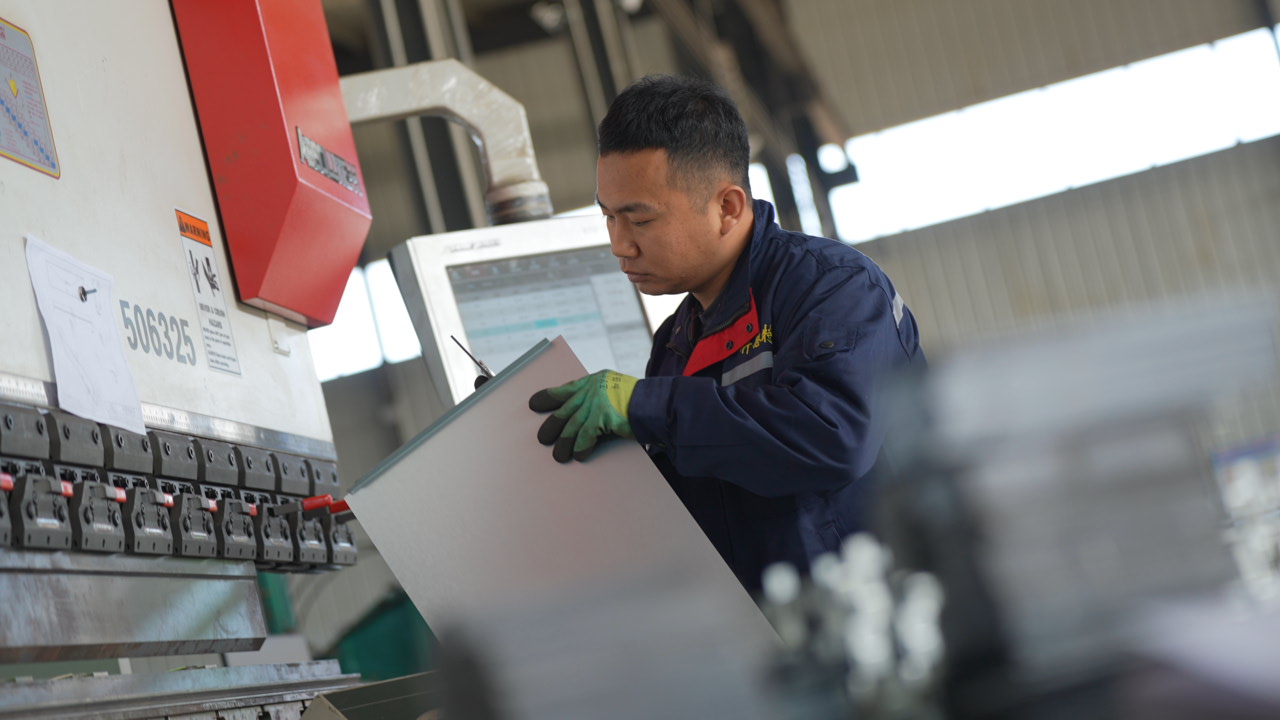
CNC Bending
Advanced equipment guarantees precision at every step.
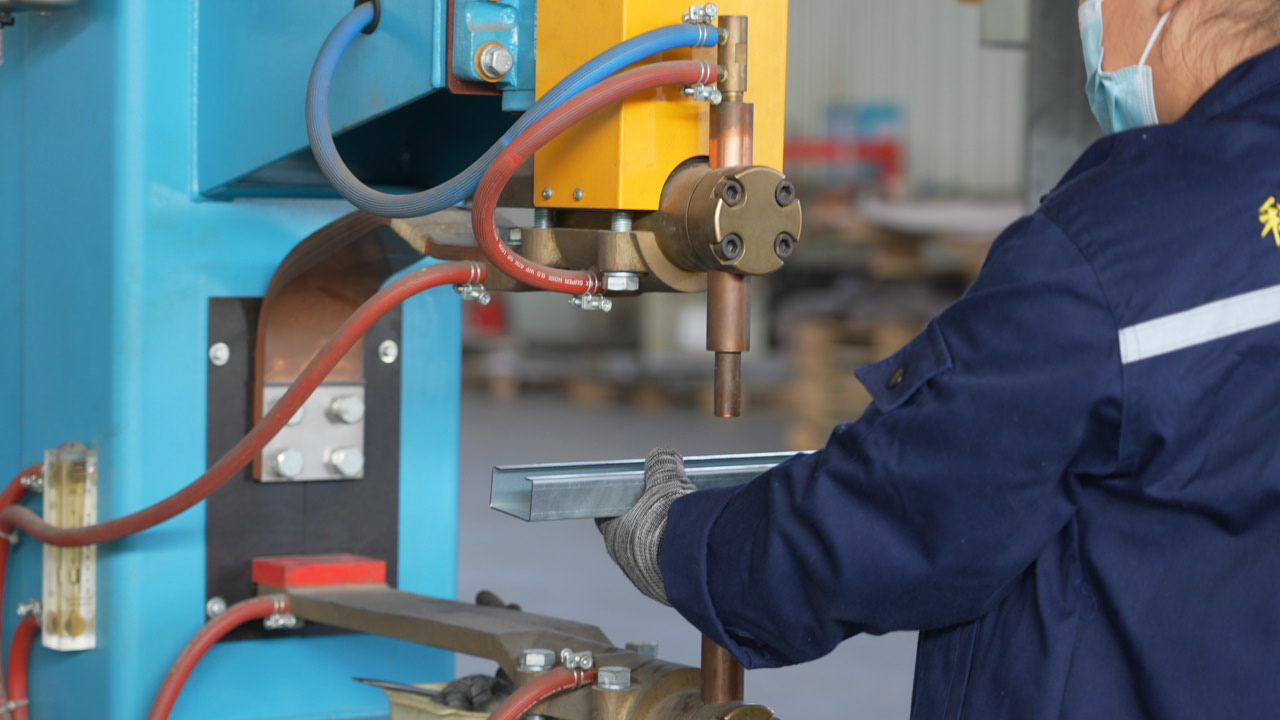
Automated Welding
Standardized welding robots deliver 10x manual efficiency with higher, more stable quality.
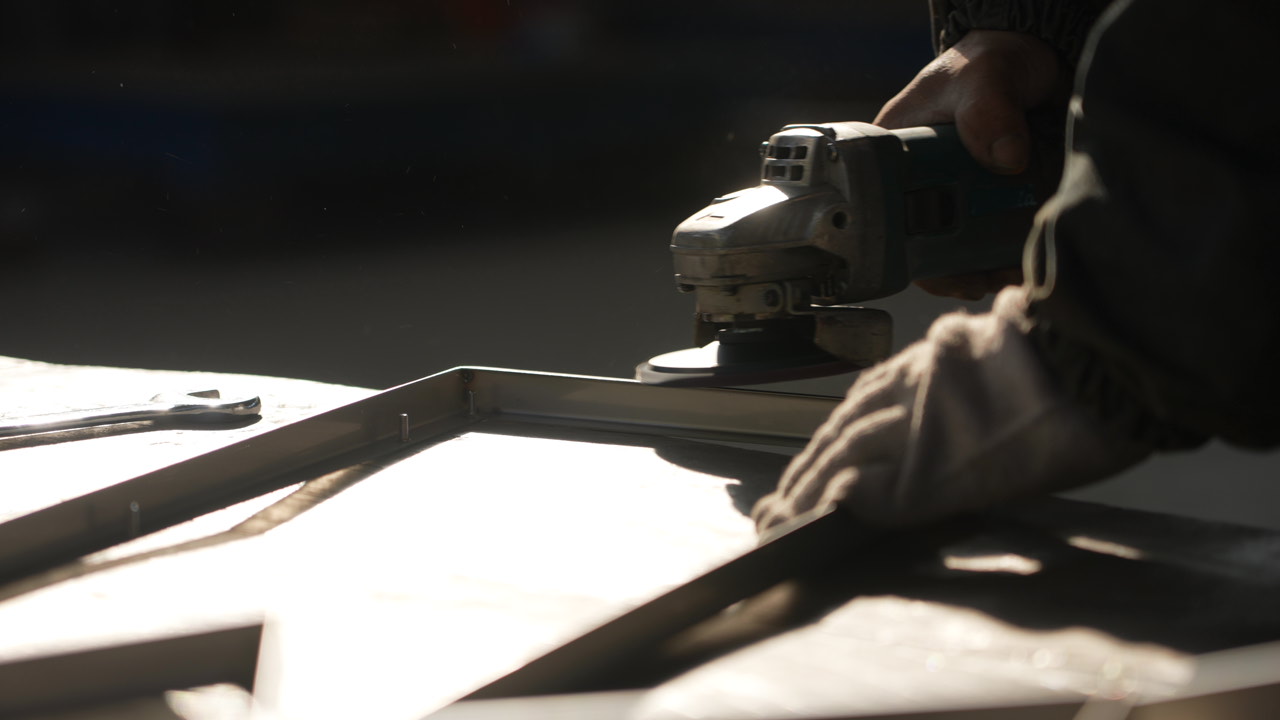
Surface Finishing
Options include as-machined, coating, surface treatment, heat treatment, and custom finishes.

Custom Logo
Customer-supplied logos can be printed directly on product surfaces.
Learn More
F.A.Q
01
What information is required to customize a solar battery enclosure?
Provide battery type, module dimensions, equipment weight, outer enclosure size, mounting type, cable entries, maintenance space, operating location, target IP rating, material preferences, and order quantity. If inverters, controllers, or communication devices are included, also provide an internal equipment list and layout.
02
What do C10 and 42u mean in the aluminum C10 42u IP67 solar battery enclosure?
C10 and 42u may denote model codes, capacity ratings, rack heights, or configuration identifiers, confirmed via manufacturer documents and drawings. Clarifying dimensions, internal space, mounting, and compatible equipment is recommended before publishing.
03
What must be considered for off-grid solar battery enclosures?
Flexible off-grid 316 stainless steel enclosures are engineered based on battery type, installation site, charge/discharge gear, cable routing, maintenance, and environmental conditions. Need for ventilation, thermal dissipation, insulation, or drainage depends on battery systems and site conditions.
04
What is the difference between IP65 and IP67 solar battery enclosures?
IP65 and IP67 have different dust and water ingress protection criteria, which depend on door panels, gaskets, cable glands, vents, and final assembly. Refer to test reports, certifications, or technical specifications for definitive ratings.
05
What materials are available for solar battery enclosures?
Available materials include mild steel, aluminum, and 316 stainless steel. Mild steel requires matching surface treatments for outdoor protection; aluminum requires grade and structural confirmation; 316 stainless steel specs depend on corrosive environments and project standards.
06
What is the difference between various mounting methods for solar battery enclosures?
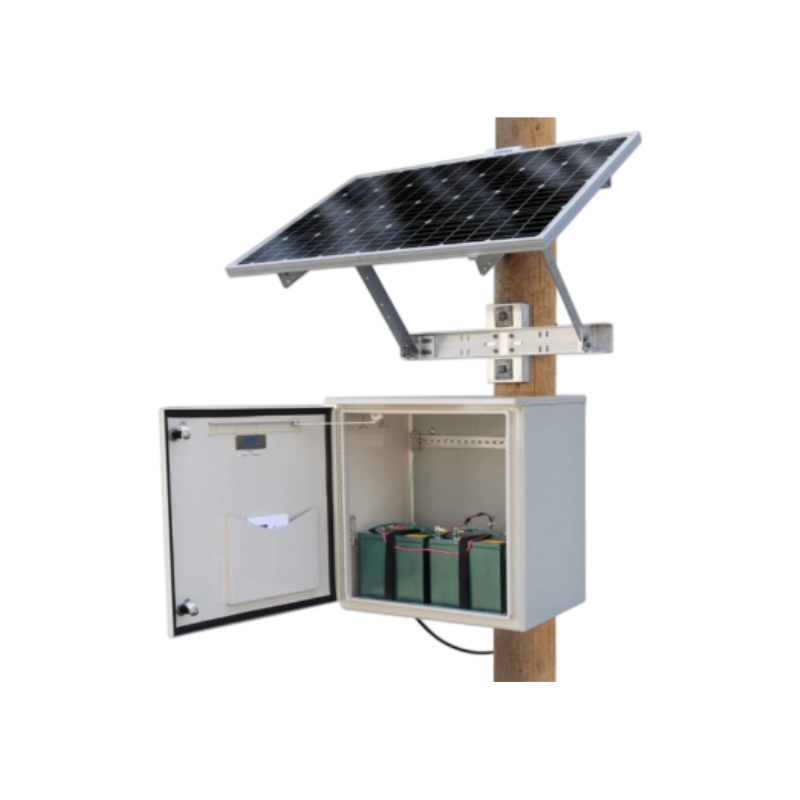
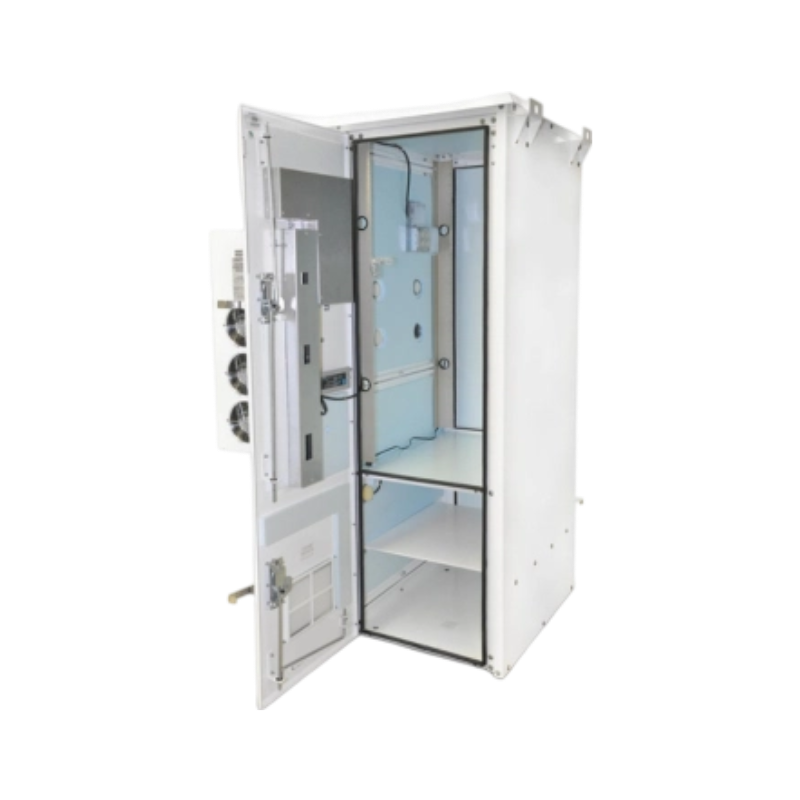
Wall-mounted enclosures suit walls or equipment facades; pole-mounted enclosures suit poles or vertical supports; freestanding enclosures typically feature base plinths or floor-mount structures. Selection depends on weight, available space, foundation conditions, and maintenance access.
07
What equipment is mainly housed in solar battery enclosures?
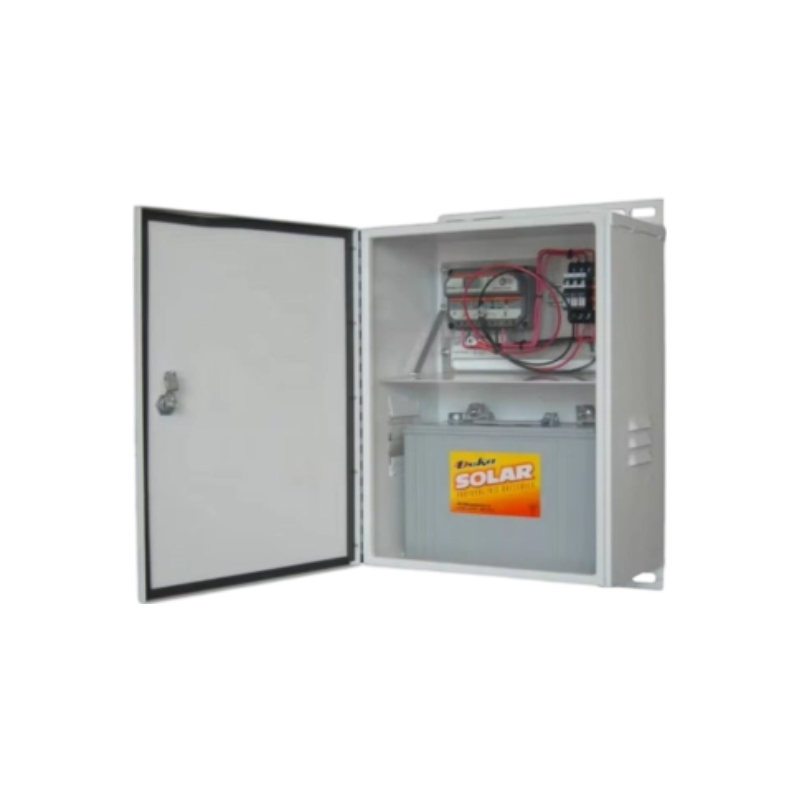
They mainly house solar storage batteries, battery modules, battery management components, controllers, inverters, and related connections. Specific internal configurations depend on battery type, equipment dimensions, capacity needs, and project system requirements.
08
What products are included in the solar battery enclosure series?
The series includes mild steel wall-mounted solar battery enclosures, outdoor dustproof/weatherproof pole-mounted solar battery enclosures, aluminum freestanding outdoor solar battery enclosures, custom IP65 waterproof solar battery enclosures, flexible off-grid 316 stainless steel solar battery enclosures, and aluminum C10 42u IP67 solar battery enclosures.
Why Trust KNT
Our sheet metal fabrication services benefit numerous industries, businesses, and projects. Here are our key advantages.
One-Stop Precision Manufacturing
High Precision · Multiple Materials
Custom Expertise · Quality Assurance
Request a Quick Quote
Contact us and seewhat we can do for you.
Contact UsContact Us