
Phone
+86 13230709299

English
English
Online



Die-Cast Aluminum Enclosure
Detailed Specifications
|
Specifications |
Details |
|
Product Name |
Die-Cast Aluminum Enclosure |
|
Material Grade |
Die-cast aluminum alloys such as ADC12 / A380 |
|
Manufacturing Process |
High-pressure die casting |
|
Ingress Protection |
IP65 / IP66 / IP67 (equipped with continuous gasket, delivering excellent waterproof and dustproof performance) |
|
Surface Treatment |
Outdoor-grade electrostatic powder coating (weather- and corrosion-resistant) or passivation |
|
Typical Applications |
Outdoor junction boxes, industrial sensors, instrumentation, harsh-environment controllers |
Process
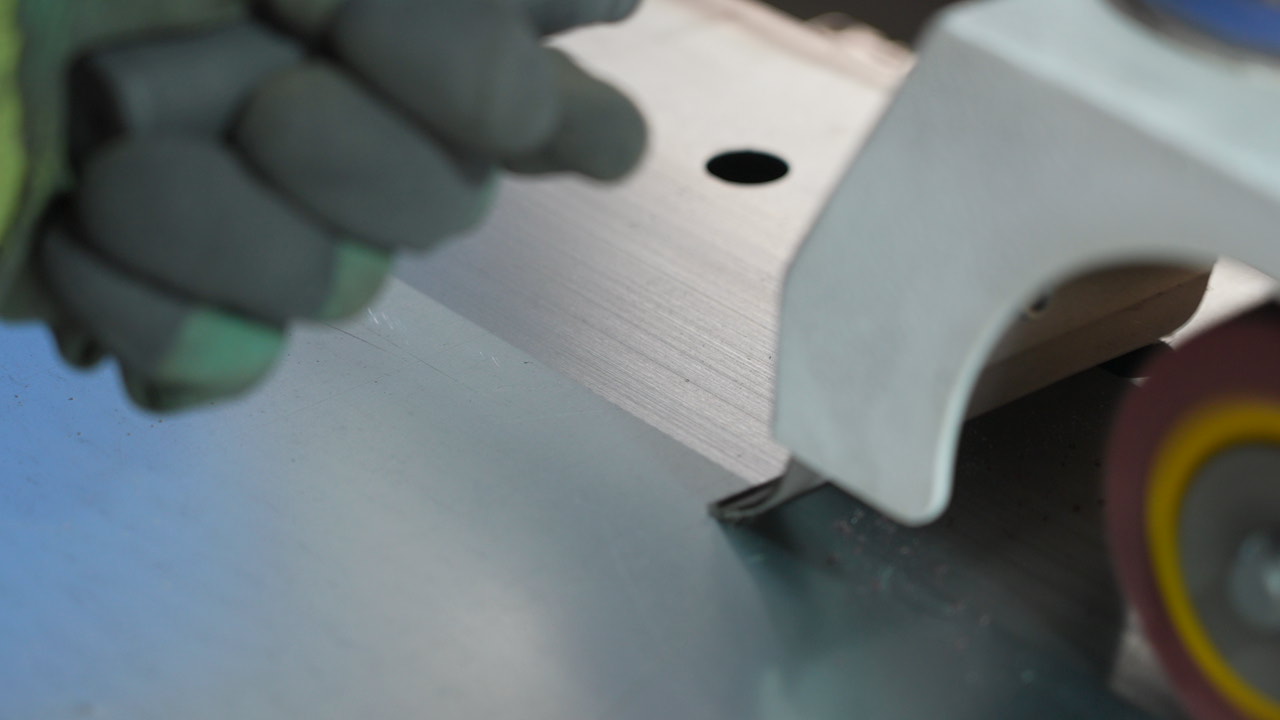
Laser Cutting
Dedicated nitrogen cutting ensures zero oxidation layer on every workpiece.

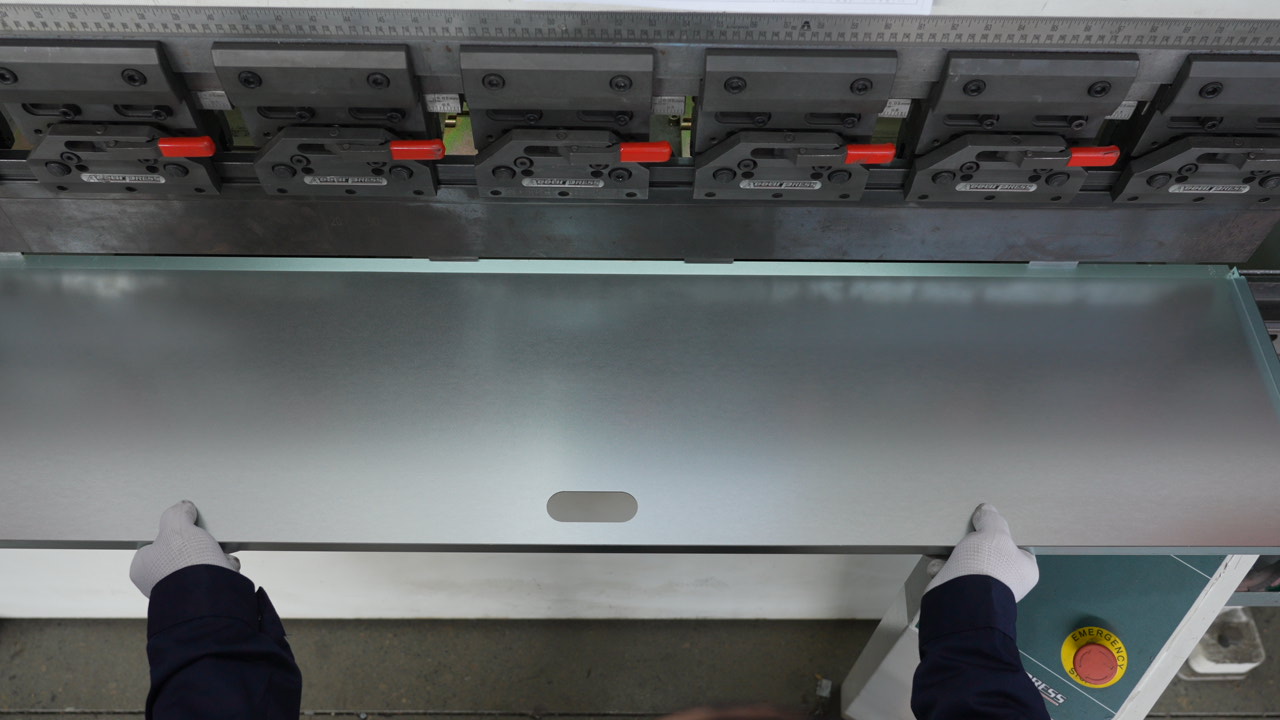
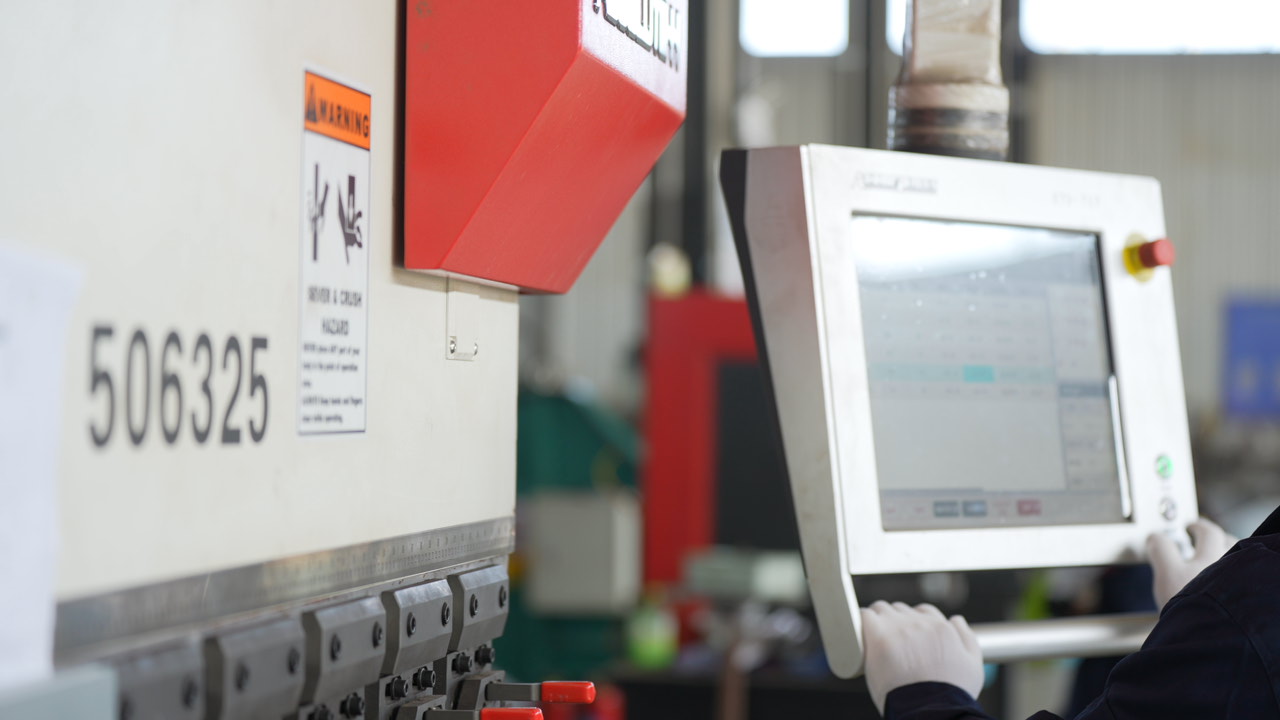
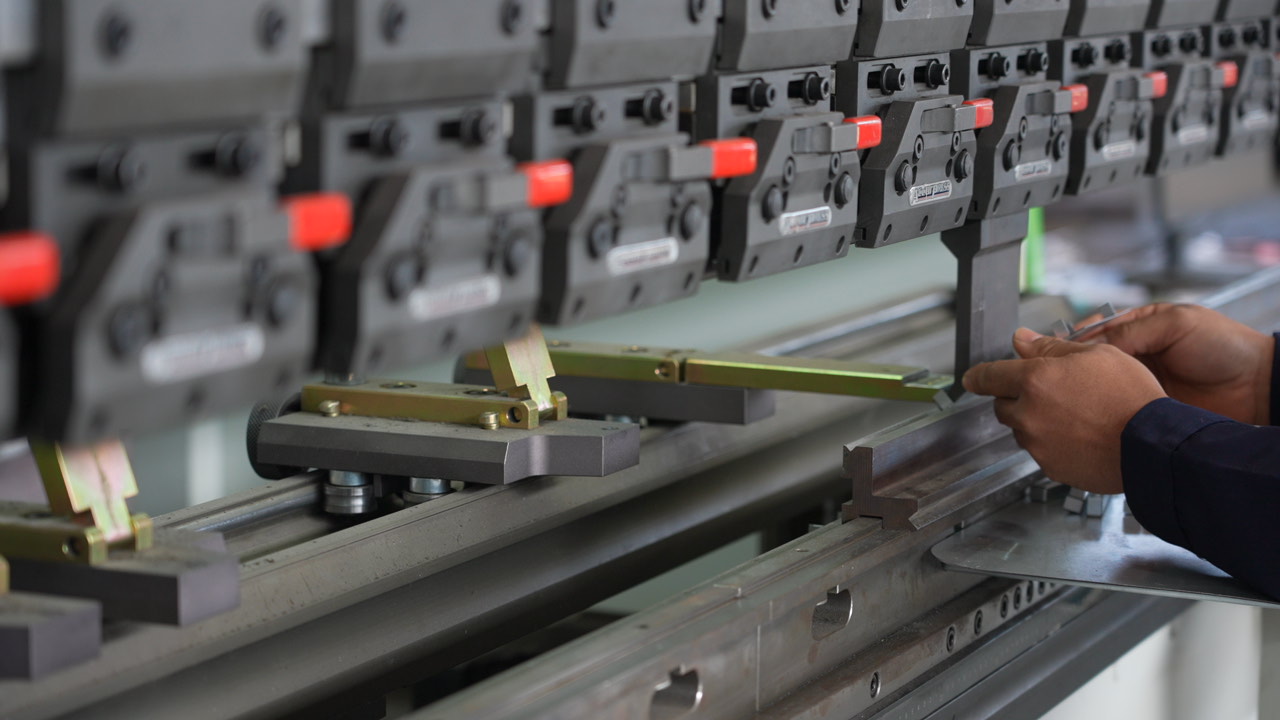
CNC Bending
Advanced equipment guarantees precision at every step.

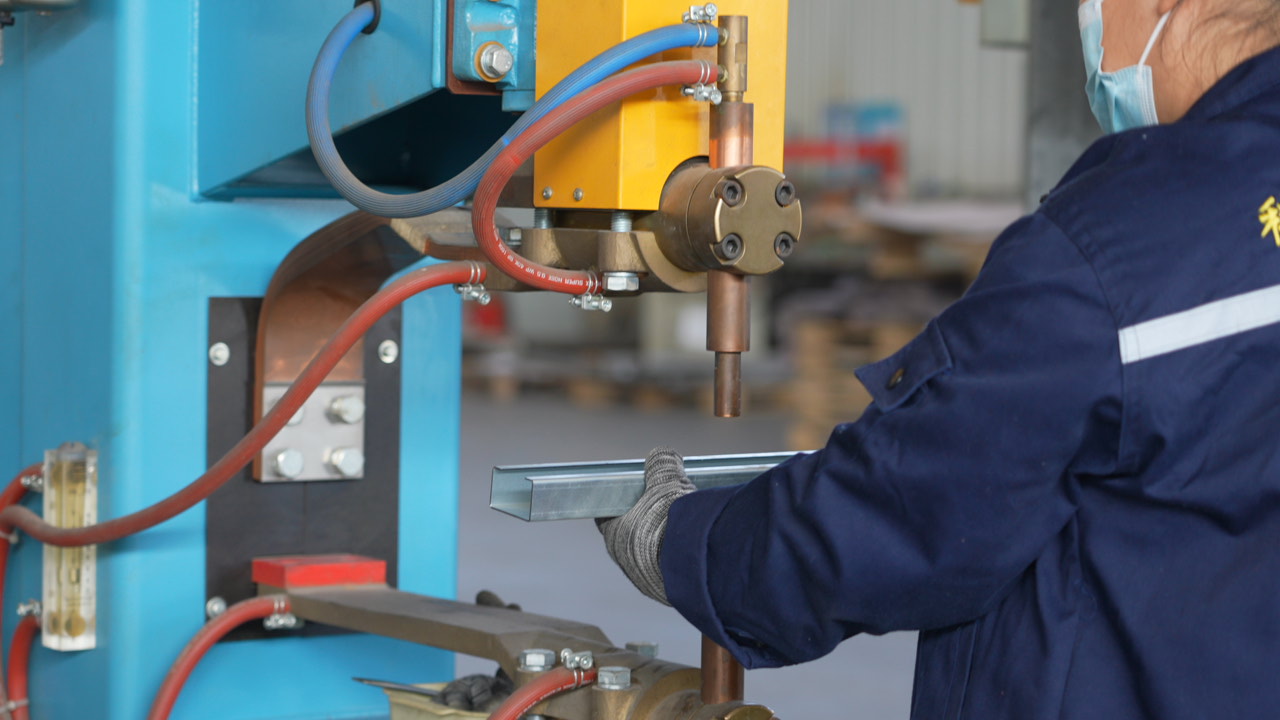
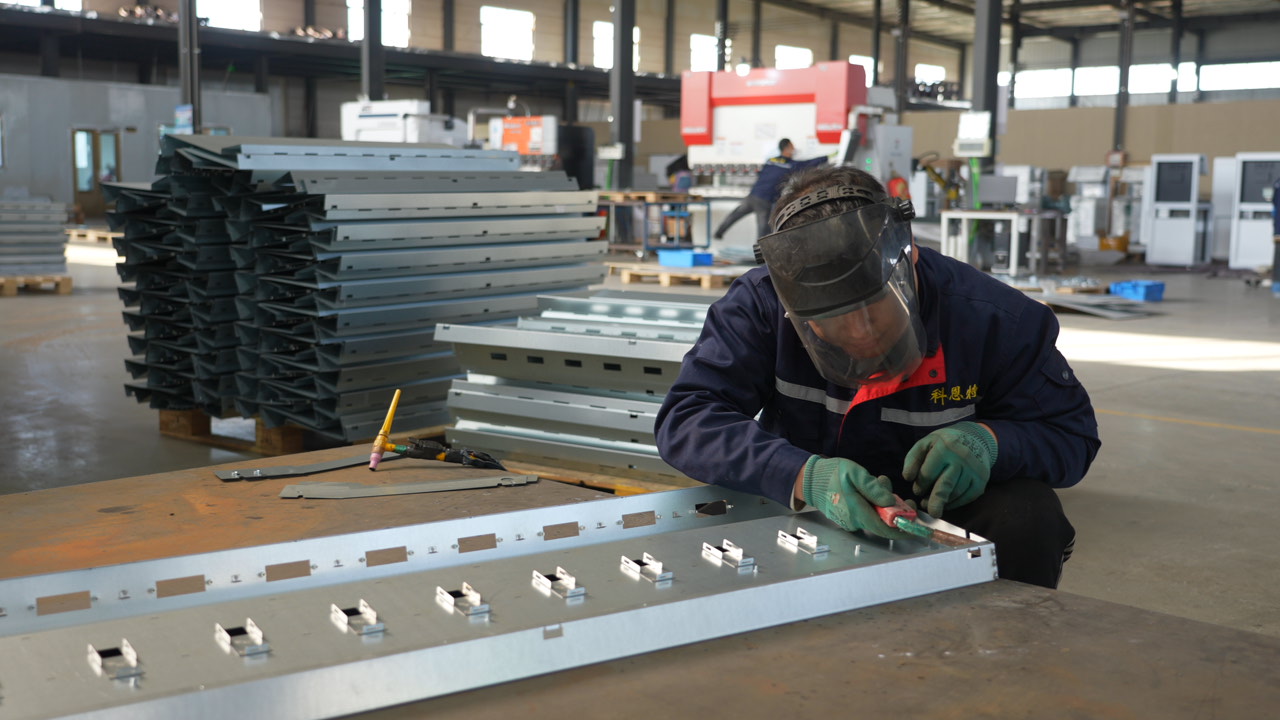
Automated Welding
Standardized welding robots deliver 10x manual efficiency with higher, more stable quality.

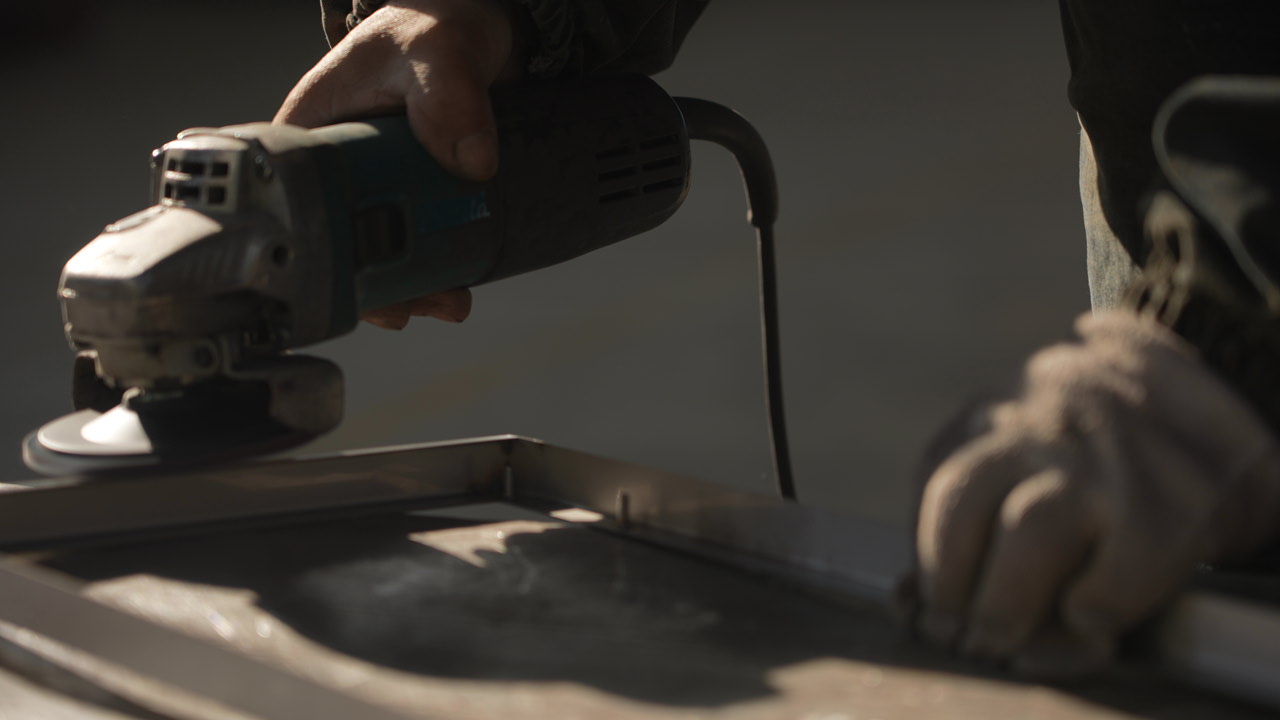
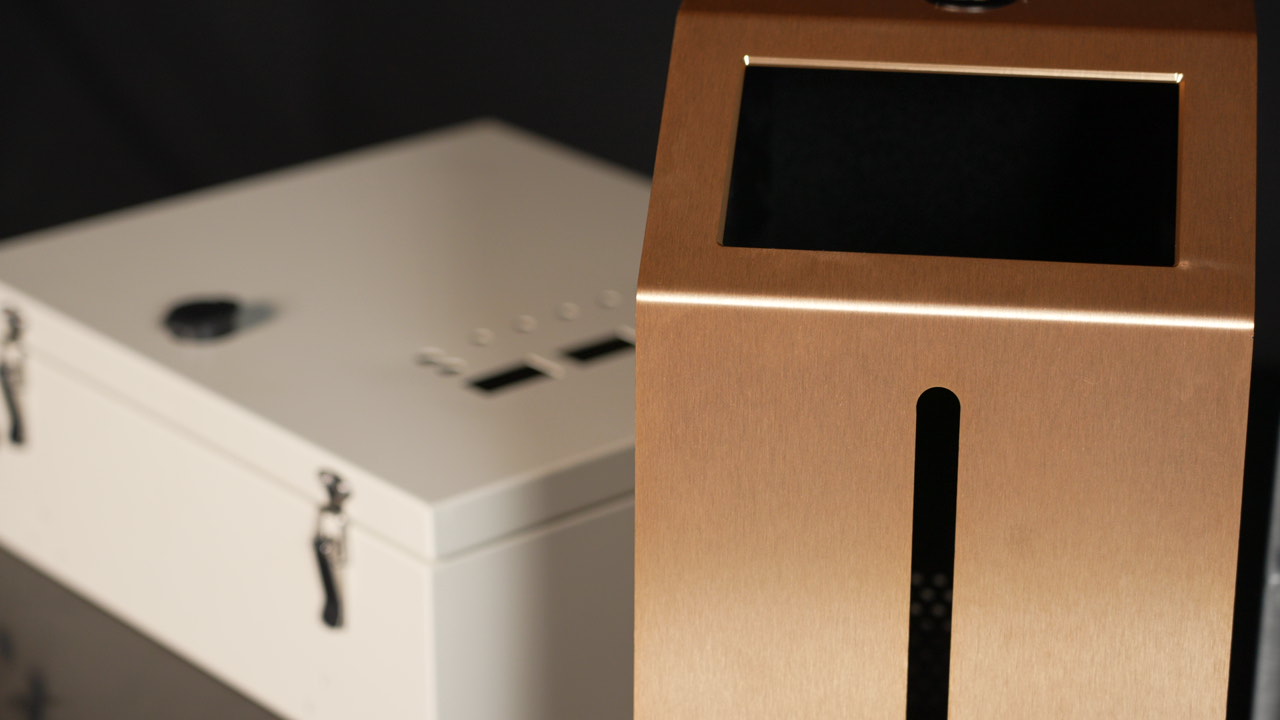
Surface Finishing
Options include as-machined, coating, surface treatment, heat treatment, and custom finishes.

Custom Logo
Customer-supplied logos can be printed directly on product surfaces.
Learn More
F.A.Q
01
What information is needed to customize an aluminum enclosure?
Please provide intended use, equipment model, outer dimensions, internal space, forming process, material and thickness requirements, cutouts, mounting, finish, volume, and environment. Drawings, samples, or photos are also welcomed.
02
Can aluminum enclosures be used outdoors or in humid environments?
Yes, with proper structural design and finishing. Outdoor or humid suitability depends on materials, seals, fasteners, drainage, finish, and target IP/NEMA ratings confirmed by product structure and testing.
03
Can cutouts and mounting structures be added to aluminum enclosures?
Yes. We can add cutouts for buttons, displays, connectors, ventilation, and cables, as well as mounting holes, DIN rails, brackets, end caps, and internal mounts based on interface or assembly drawings.
04
What is the difference between anodized and brushed aluminum enclosures?
Anodizing treats the surface to improve appearance and properties; brushing mechanically applies directional surface graining. Both processes can be used individually or combined to achieve desired colors, textures, and finishes.
05
What materials and thicknesses are available for aluminum enclosures?
Material grades, tempers, and sheet or profile thicknesses depend on structural strength, processing methods, weight, finish, and operating environment. Specific parameters must be confirmed via engineering drawings and material sheets.
06
What are the differences among extruded, die-cast, and deep-drawn aluminum enclosures?
Extrusion suits continuous cross-sections and fixed profiles; die casting fits complex shapes, mounting bosses, or ribbing; deep drawing forms specific box or cover shapes from sheet metal. Selection depends on shape, size, volume, and tooling requirements.
07
Can aluminum enclosures be customized?
Yes. Customizations cover dimensions, internal space, mounting methods, door/end-cap structures, cutouts, interface requirements, and surface finishes, confirmed based on drawings or device data.
08
General FAQ for Aluminum Enclosure Series
The aluminum enclosure series includes extruded, die-cast, anodized, brushed, and deep-drawn variants. The first two focus on forming processes, while anodizing and brushing specify surface finishes. Processes and configurations can be combined per project needs.
Why Trust KNT
Our sheet metal fabrication services benefit numerous industries, businesses, and projects. Here are our key advantages.
One-Stop Precision Manufacturing
High Precision · Multiple Materials
Custom Expertise · Quality Assurance
Request a Quick Quote
Contact us and seewhat we can do for you.
Contact UsContact Us