
Phone
+86 13230709299
English
English
Online



Deep Drawn Aluminum Enclosure
Detailed Specifications
|
Specification |
Details |
|
Product Name |
Deep Drawn Aluminum Enclosure |
|
Material Grade |
3003 / 5052 aluminum alloy (excellent ductility and deep drawing performance) |
|
Manufacturing Process |
Multi-stage stamping and deep drawing |
|
Structural Advantages |
Seamless integrated design, weld-free, high airtightness |
|
Wall Uniformity |
Uniform sidewall and bottom stress distribution; high impact and shock resistance |
|
Typical Applications |
Portable instruments, battery cases, sealed sensor covers, RF shielding cans |
Process
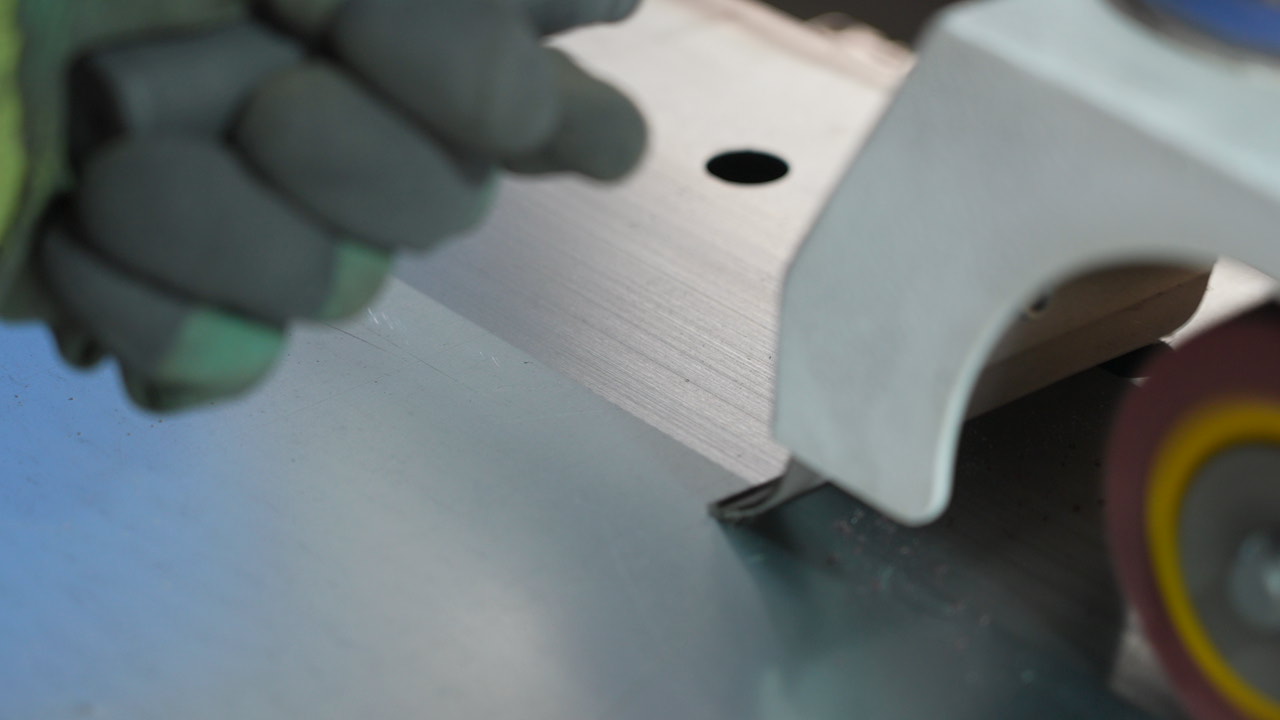
Laser Cutting
Dedicated nitrogen cutting ensures zero oxidation layer on every workpiece.

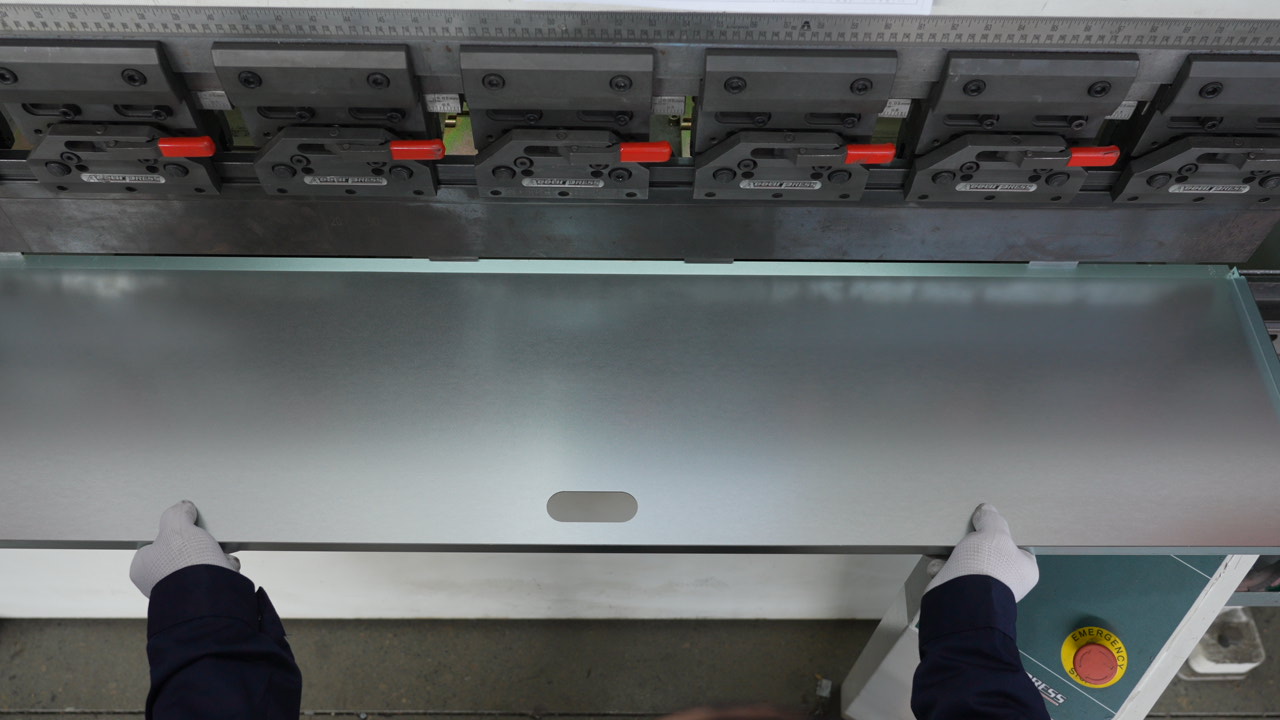
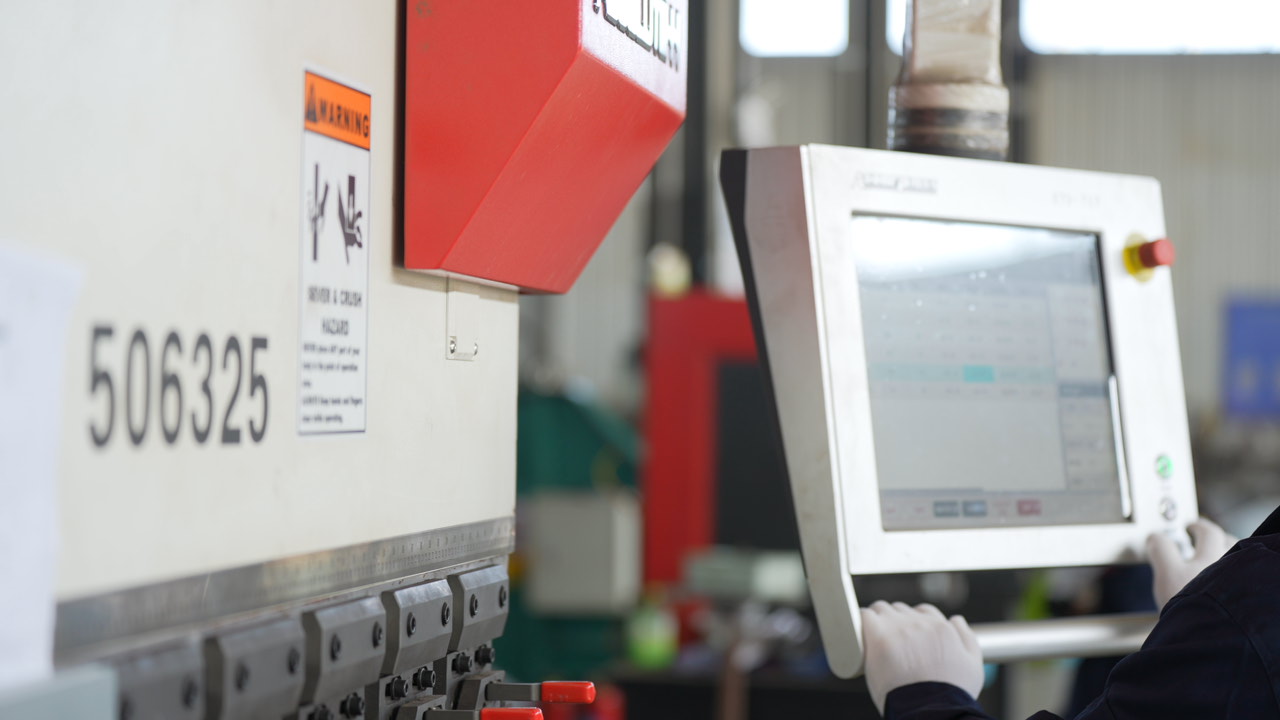
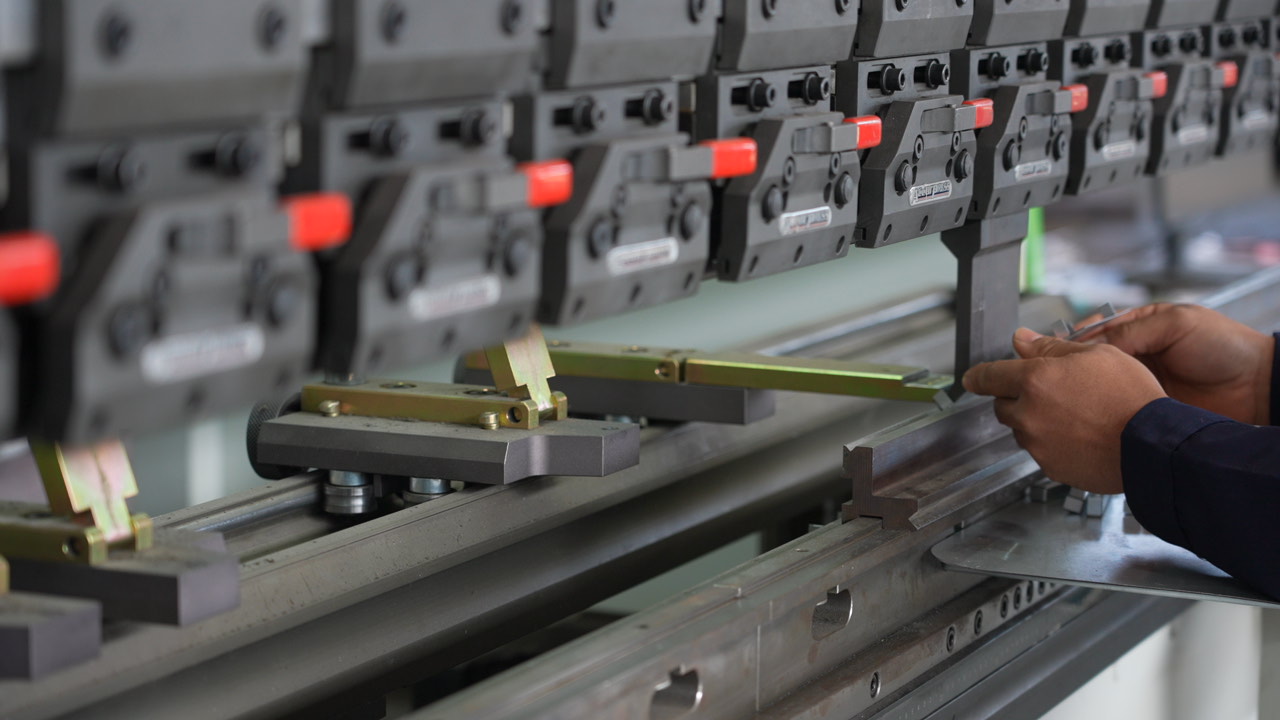
CNC Bending
Advanced equipment guarantees precision at every step.

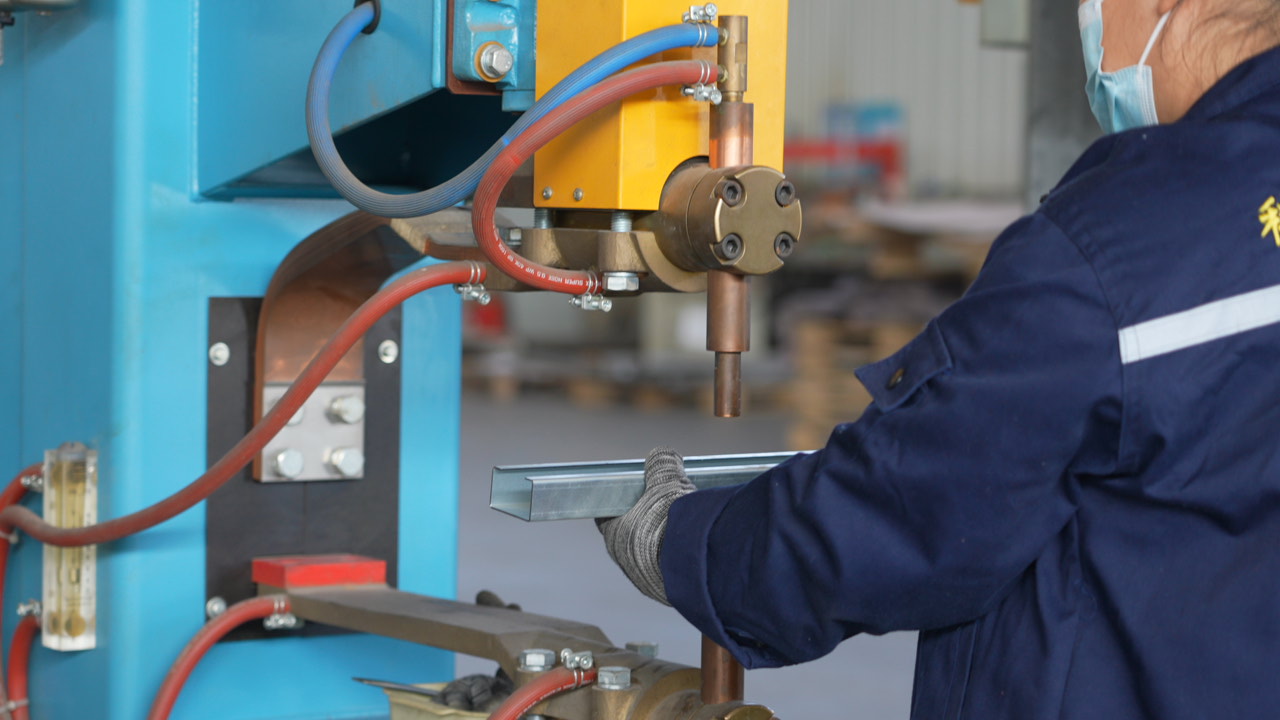
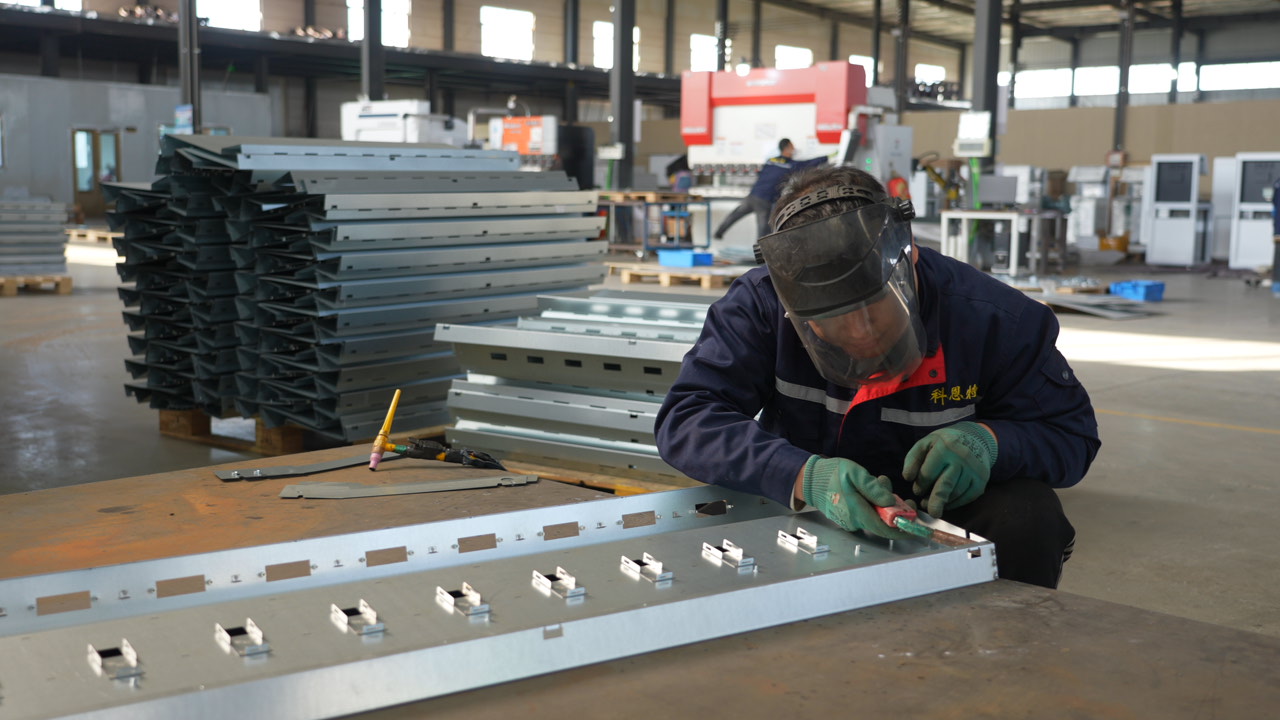
Automated Welding
Standardized welding robots deliver 10x manual efficiency with higher, more stable quality.

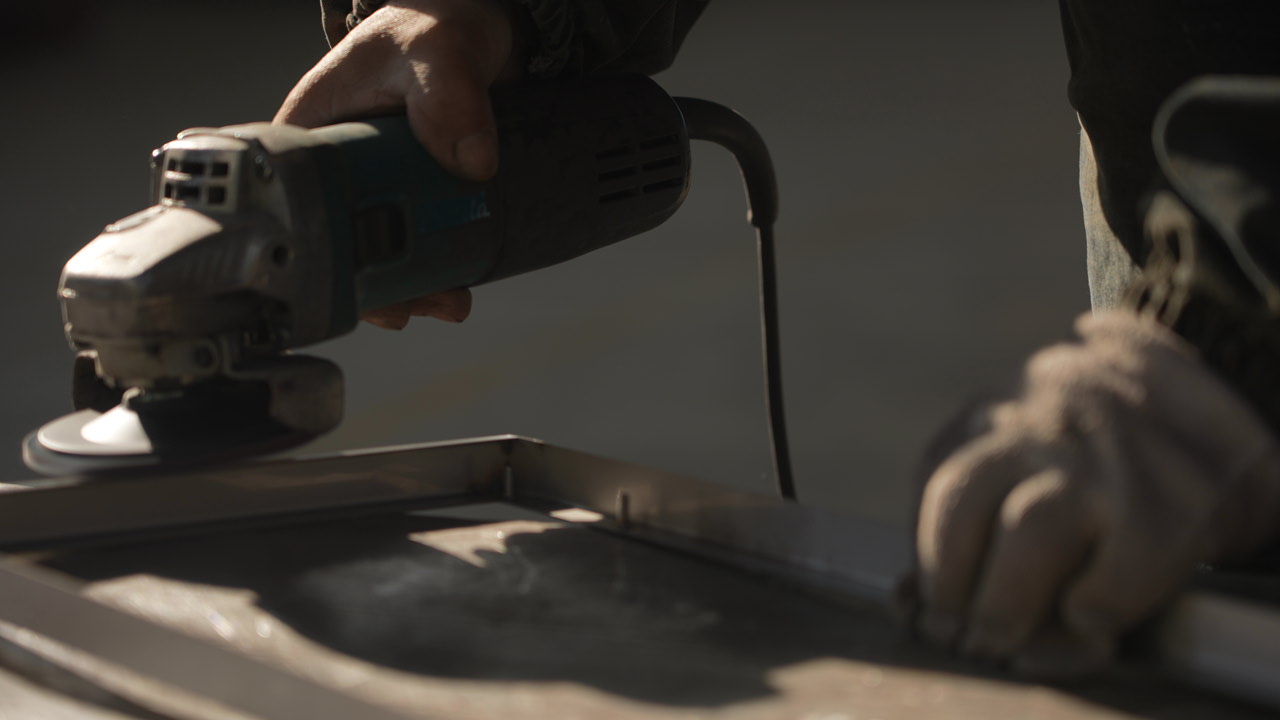
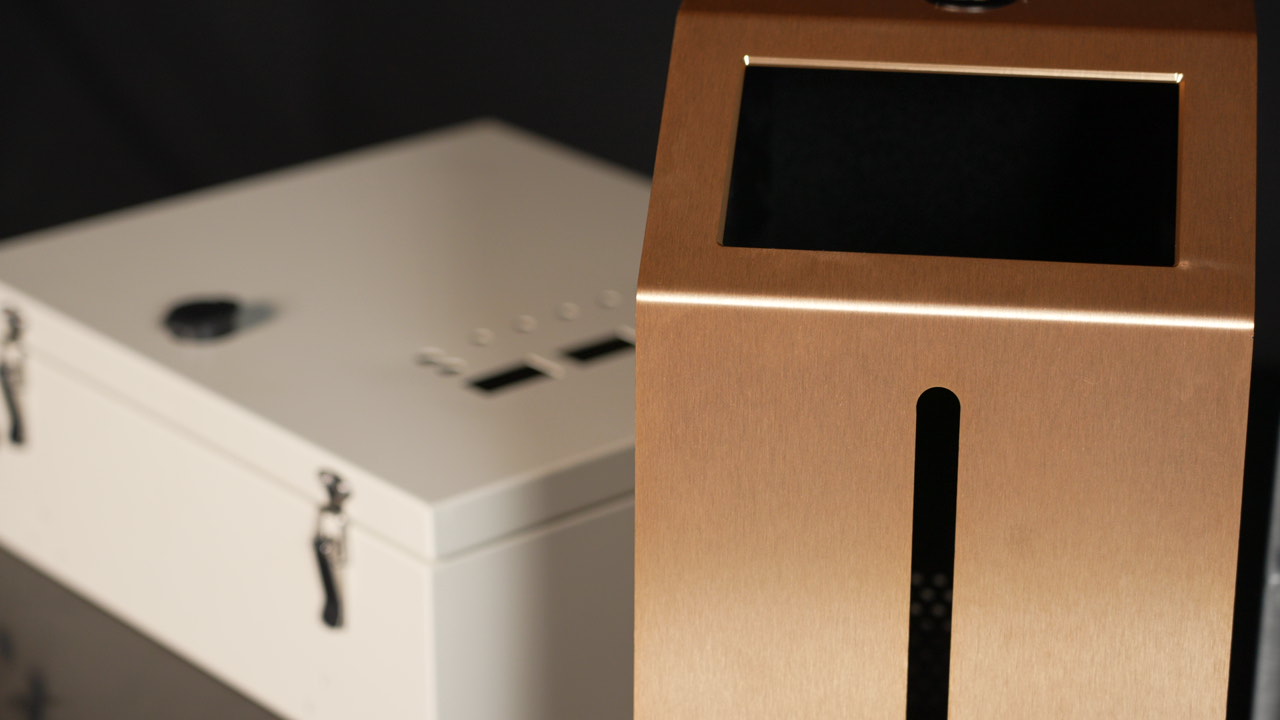
Surface Finishing
Options include as-machined, coating, surface treatment, heat treatment, and custom finishes.

Custom Logo
Customer-supplied logos can be printed directly on product surfaces.
Learn More
F.A.Q
01
What information is required to customize an aluminum enclosure?
Please provide intended use, equipment model, external dimensions, internal space, forming process, material, thickness, cutouts, mounting methods, surface finish, order quantity, and operating environment. Drawings, samples, or photos are also helpful.
02
Can aluminum enclosures be used outdoors or in humid environments?
Yes, through tailored design and surface treatments. Suitability depends on materials, seals, hardware, drainage, finishes, and target IP or NEMA ratings verified by testing.
03
Can cutouts and mounting features be added to aluminum enclosures?
Yes. Holes for buttons, displays, connectors, vents, and cable entries, as well as mounting holes, DIN rails, brackets, end caps, and internal standoffs, can be added based on interface or assembly drawings.
04
What is the difference between anodized and brushed aluminum enclosures?
Anodizing treats the surface to enhance appearance and durability, while brushing mechanically creates a directional texture. Both can be used independently or combined per project requirements for color, texture, and finish.
05
What materials and thicknesses are available for aluminum enclosures?
Alloy grades, tempers, and sheet or profile thicknesses depend on structural strength, processing, weight, finish, and operating conditions. Specifications are confirmed via engineering drawings and material sheets.
06
What is the difference between extruded, die-cast, and deep-drawn enclosures?
Extruded enclosures suit continuous cross-sections and fixed profiles; die-cast enclosures suit complex geometries, mounting bosses, and ribs; deep-drawn enclosures use sheet forming for seamless cans or boxes. The final process depends on shape, size, volume, and tooling requirements.
07
Can aluminum enclosures be customized?
Yes. Aluminum enclosures can be customized by dimensions, internal space, mounting options, panel/end cap structures, cutouts, interfaces, and finishes based on drawings or specifications.
08
Aluminum Enclosure Series General FAQ
The aluminum enclosure series includes extruded, die-cast, anodized, brushed, and deep-drawn types. Extrusion and die-casting define the forming process, while anodizing and brushing specify surface finishes. Processes and configurations can be combined.
Why Trust KNT
Our sheet metal fabrication services benefit numerous industries, businesses, and projects. Here are our key advantages.
One-Stop Precision Manufacturing
High Precision · Multiple Materials
Custom Expertise · Quality Assurance
Request a Quick Quote
Contact us and seewhat we can do for you.
Contact UsContact Us