

Phone
+86 13230709299

English
English
Online



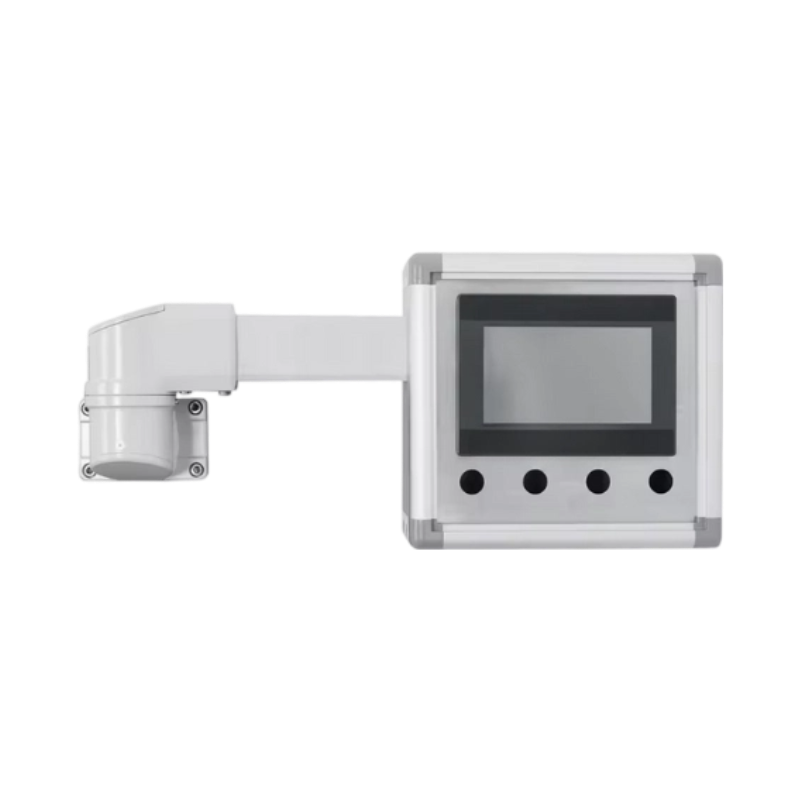
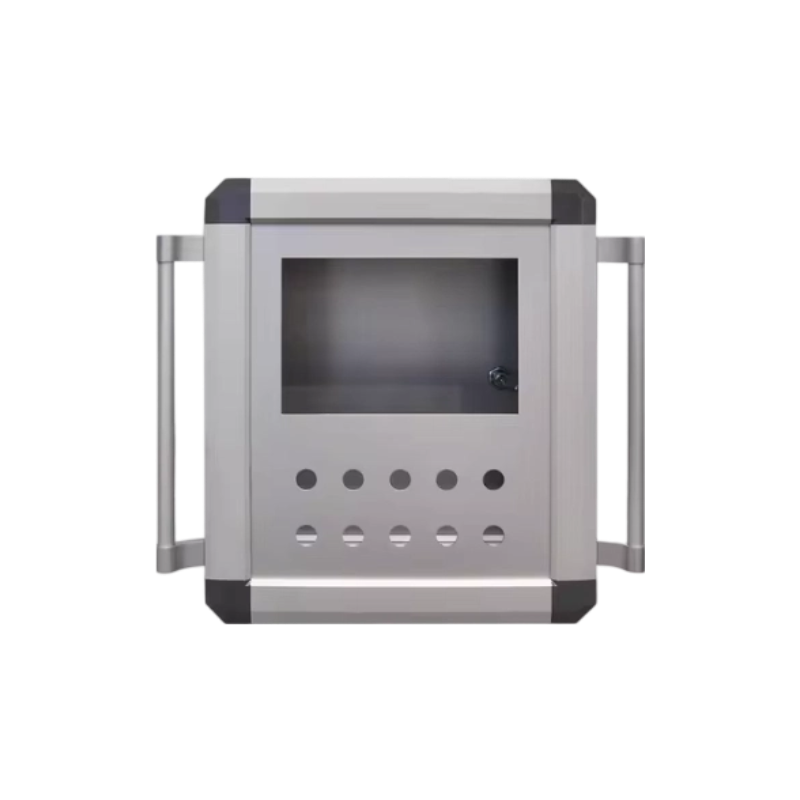
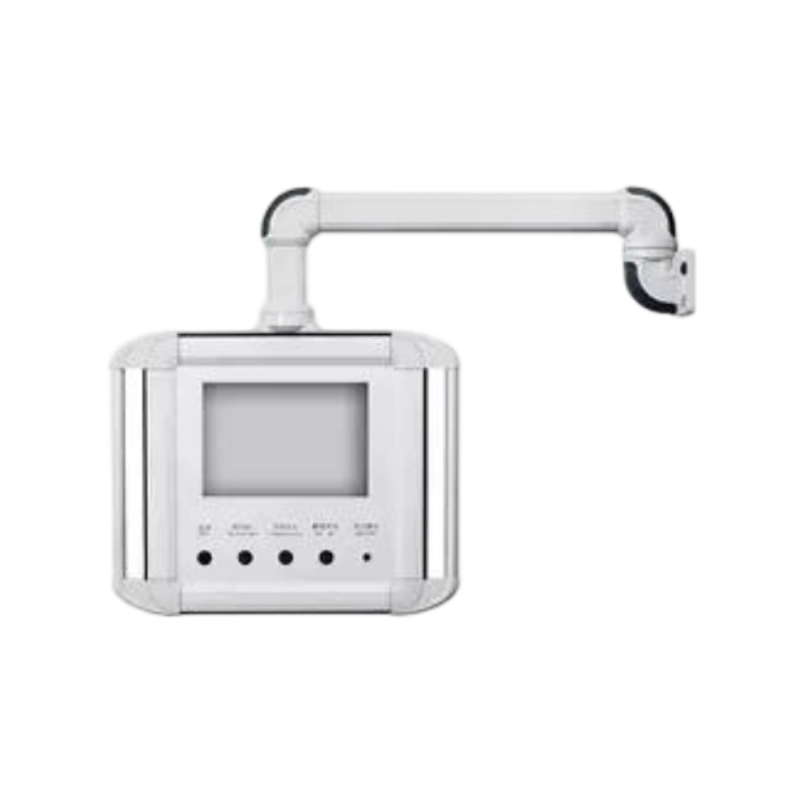
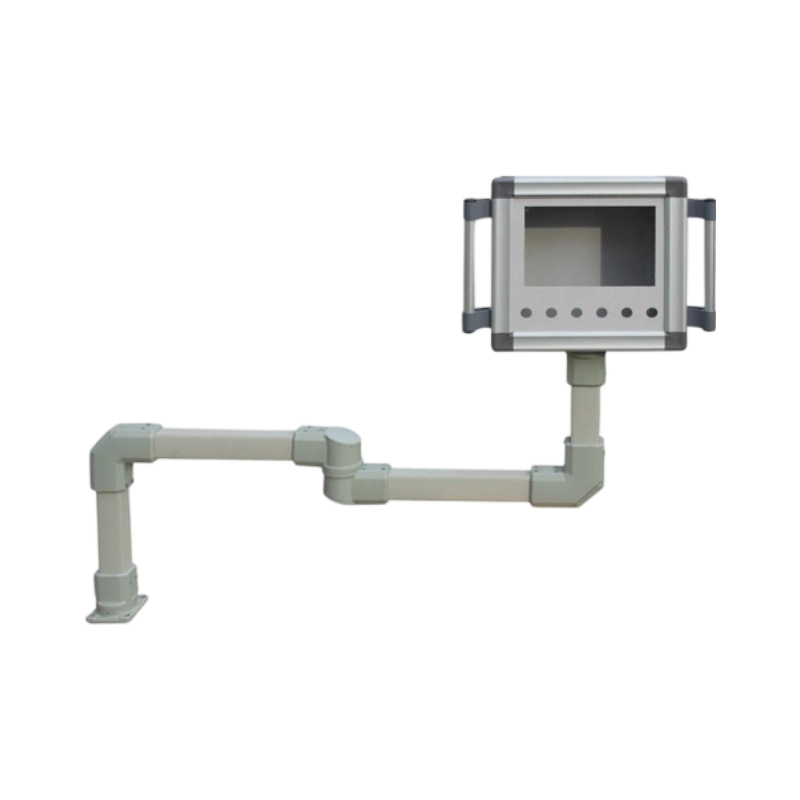
Rotating Metal Bracket HMI Control Enclosure
Detailed Specifications
|
Structural Features |
Equipped with a metal bracket supporting 360-degree rotation and tilt adjustment |
|
Operation Experience |
Supports flexible operation and viewing from diverse angles |
|
Mechanical Strength |
Rigid and vibration-resistant, preventing loosening from frequent rotation |
|
Locking Mechanism |
Features multi-angle positioning locks for stable operation |
|
Enclosure Protection |
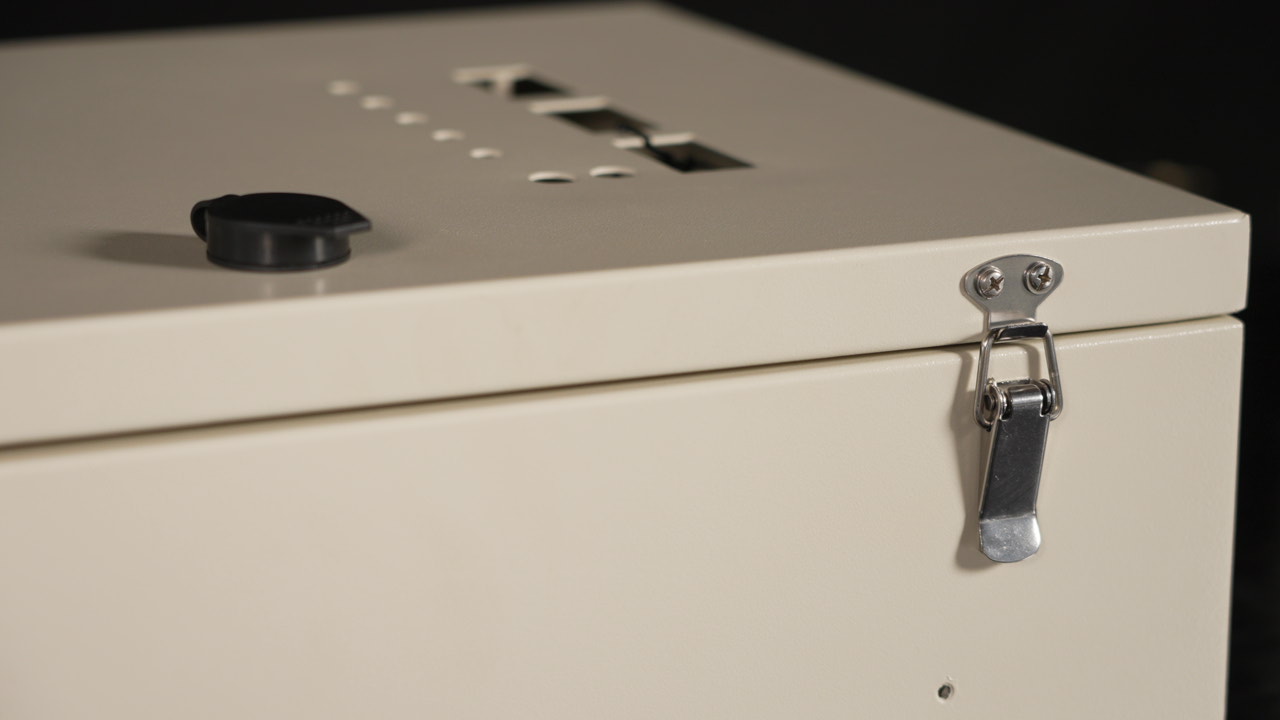
Incorporates high-sealing foam gaskets against dust and water ingress |
Process
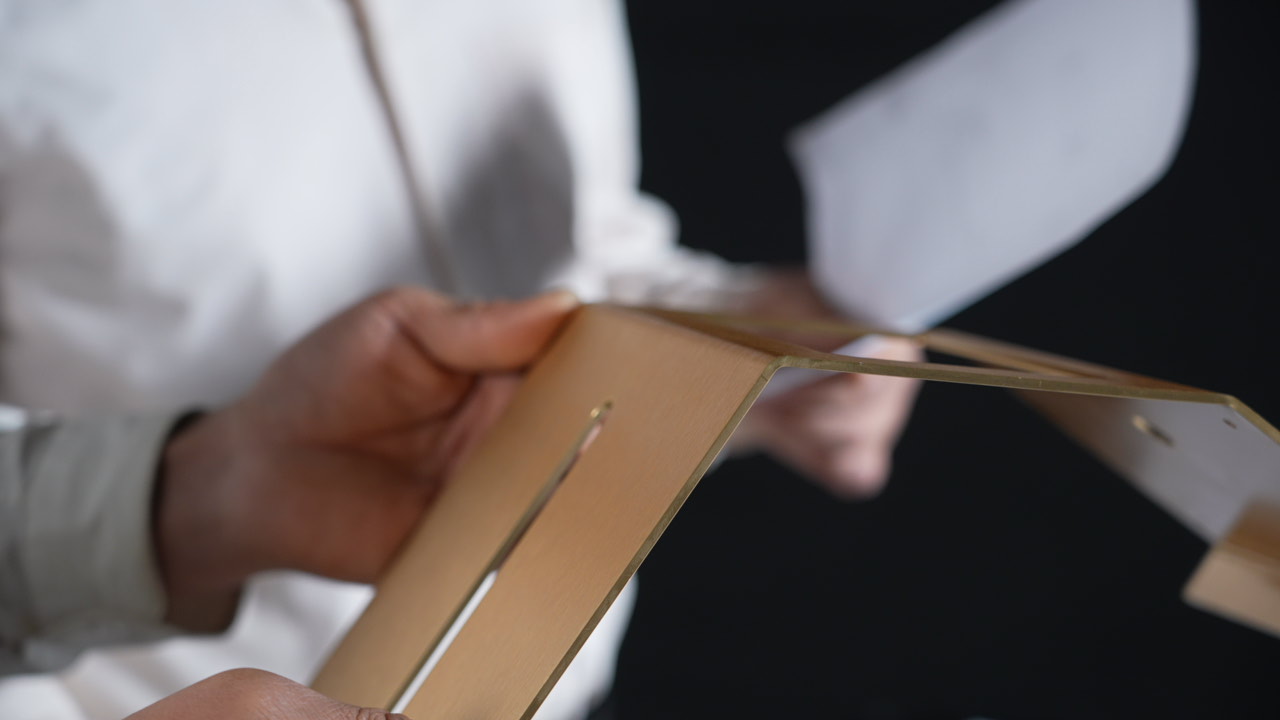
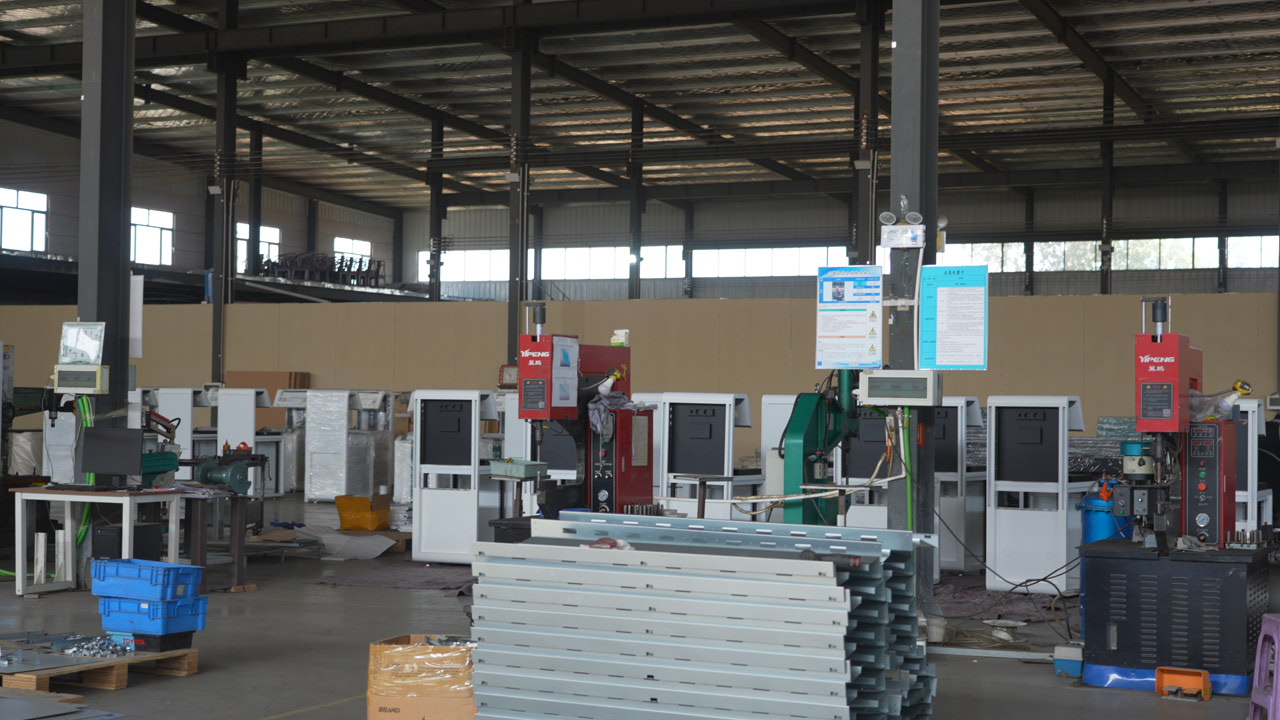
Laser Cutting
Dedicated nitrogen cutting ensures zero oxidation layer on every workpiece.

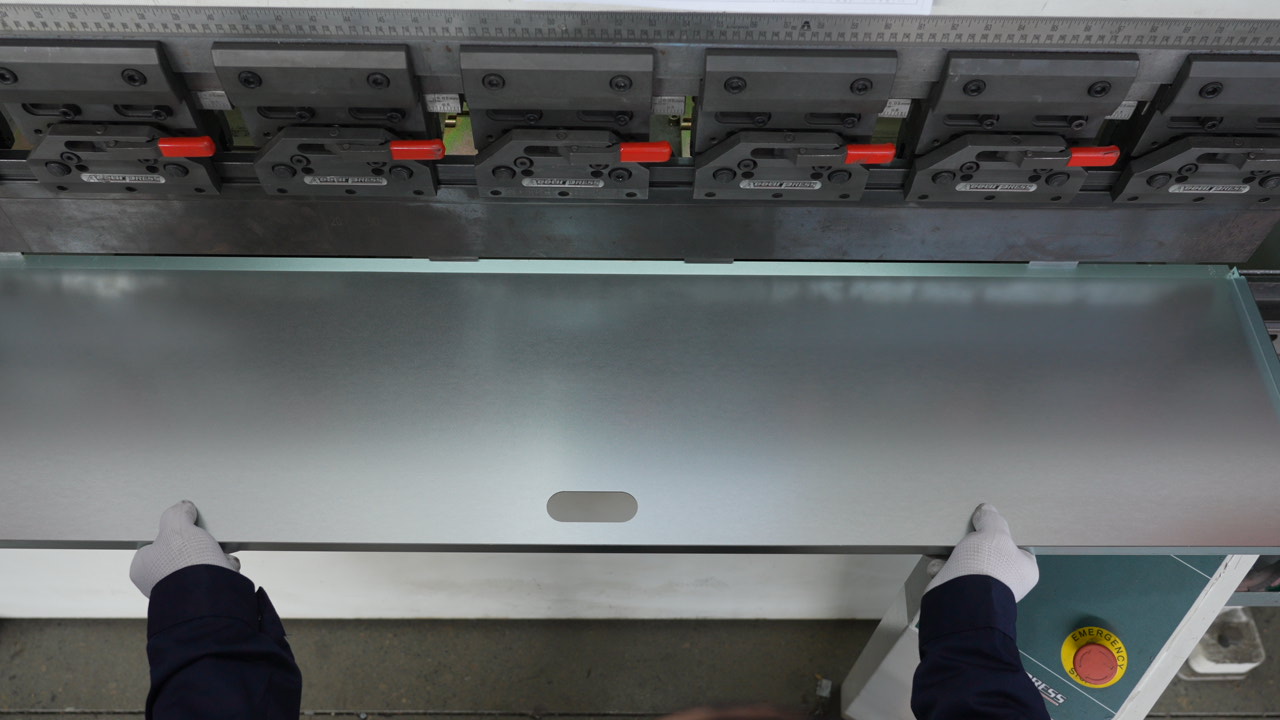
CNC Bending
Advanced equipment guarantees precision at every step.

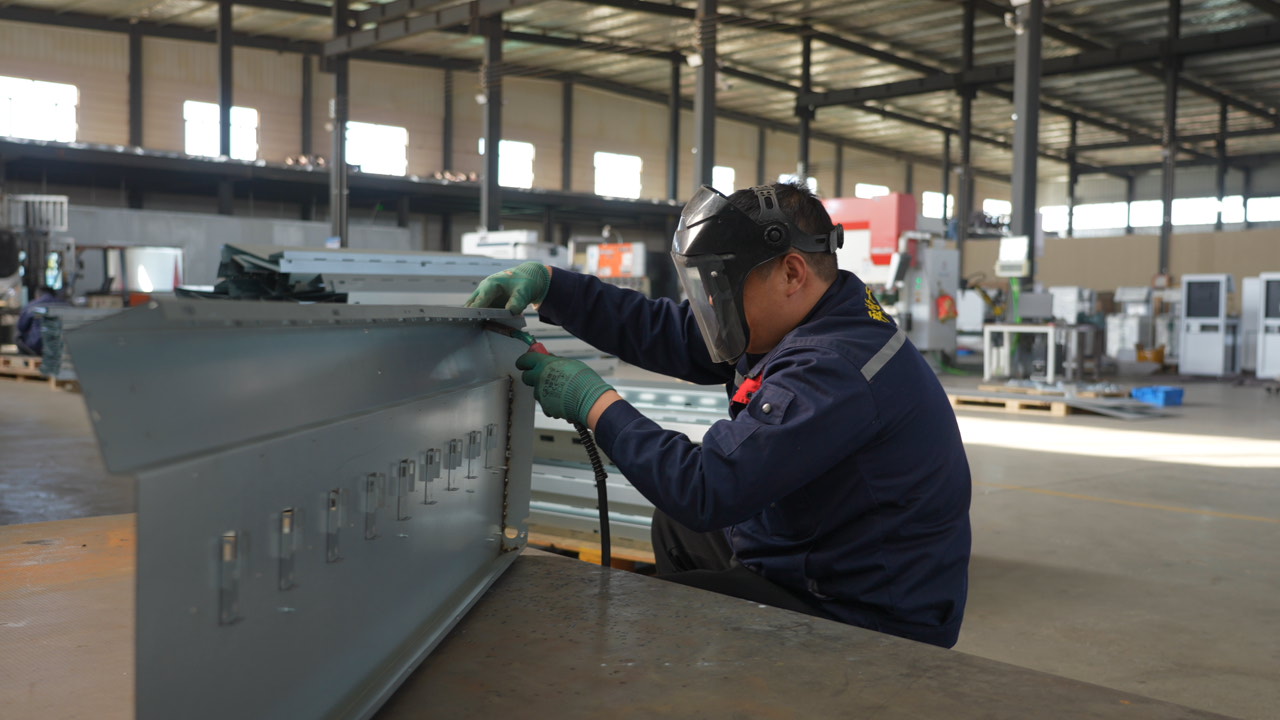
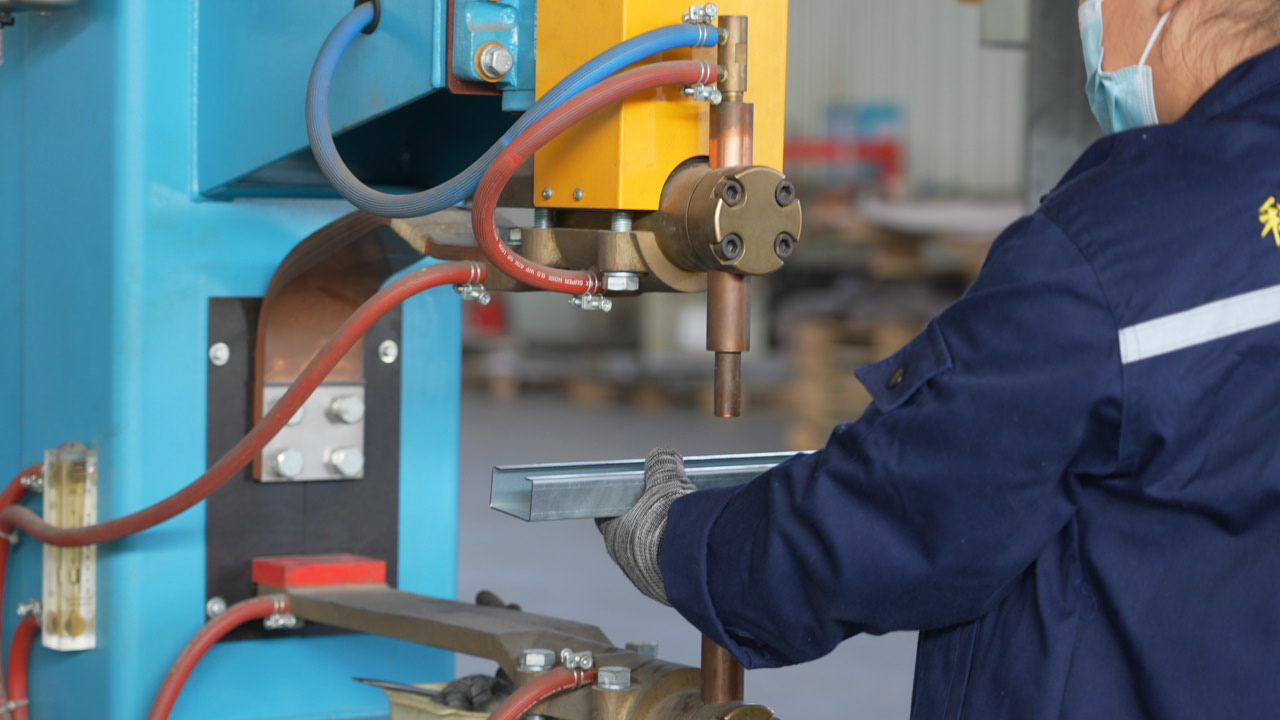
Automated Welding
Standardized welding robots deliver 10x manual efficiency with higher, more stable quality.

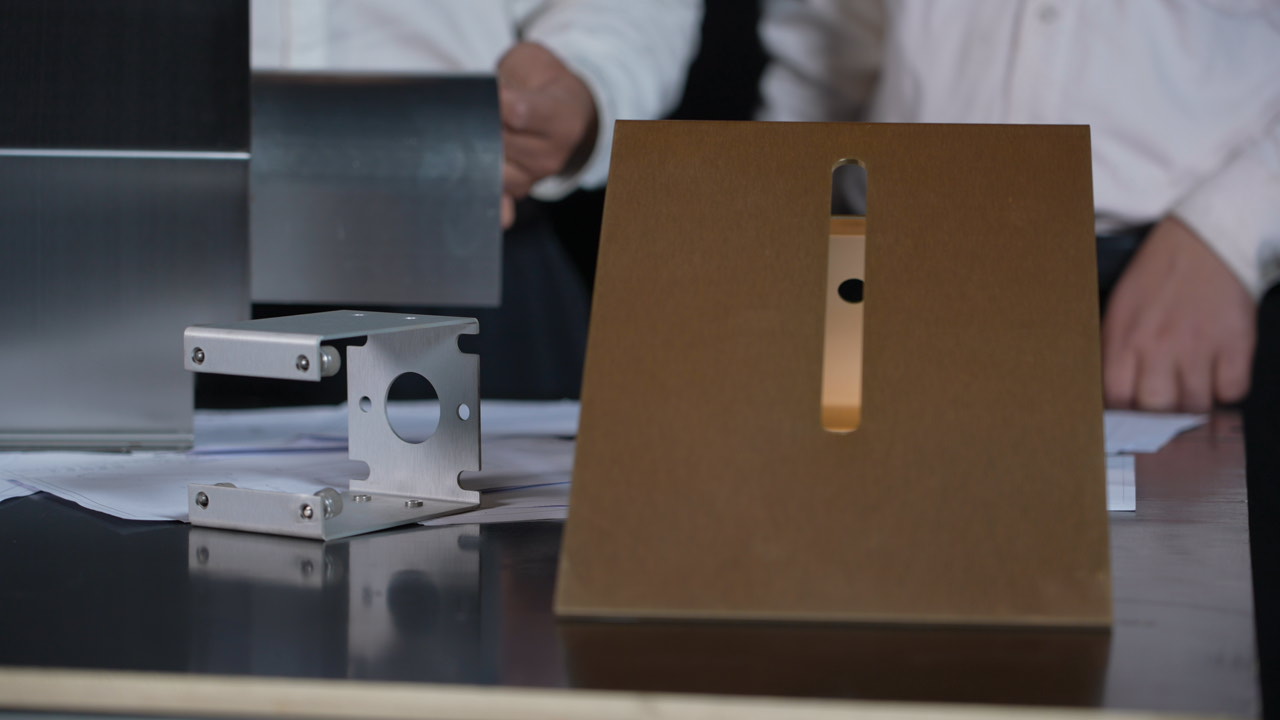
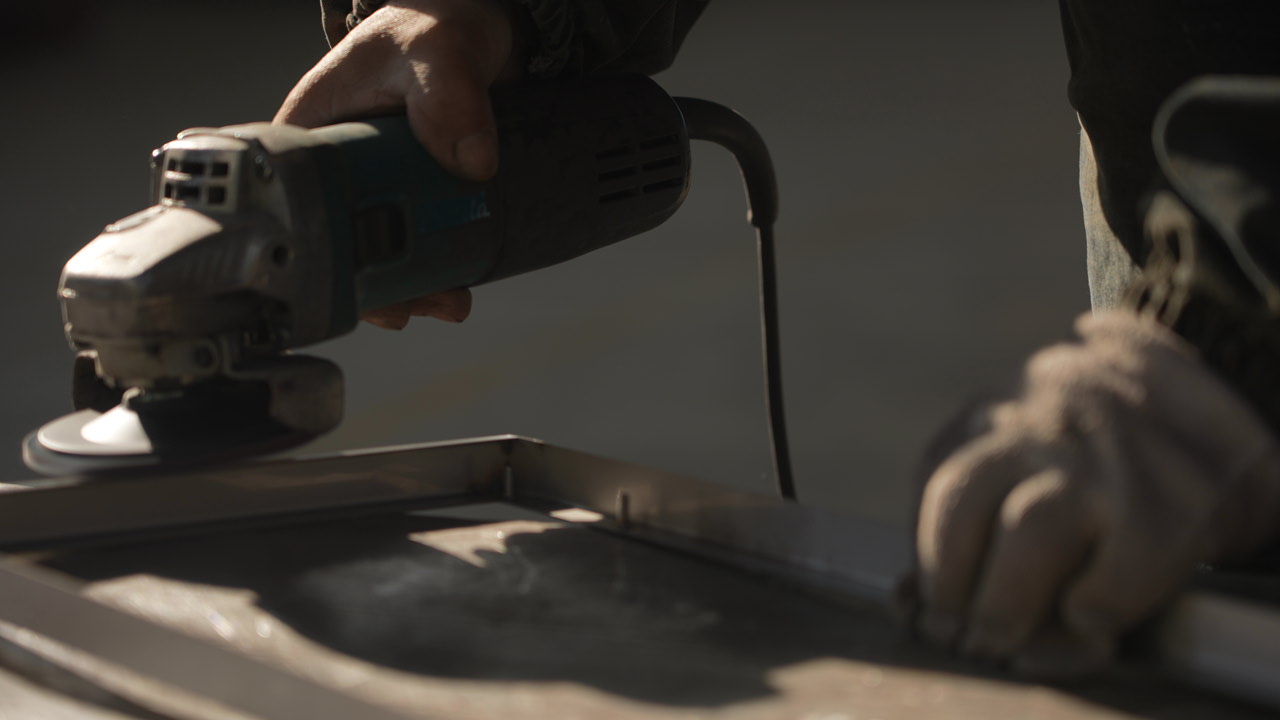
Surface Finishing
Options include as-machined, coating, surface treatment, heat treatment, and custom finishes.

Custom Logo
Customer-supplied logos can be printed directly on product surfaces.
Learn More
F.A.Q
01
What information is required to customize an HMI enclosure?
Please provide the HMI model, display size, external dimensions, cutout drawings, device weight, mounting method, operating orientation, rotation/support requirements, cable entries, target IP rating, material, and order quantity.
02
Does the IP69 rating apply to all configurations of the IP69 pendant HMI enclosure?
The IP69 rating depends on the enclosure, display, touch panel, gaskets, cable glands, and full assembly. The IP69 label does not automatically apply to all configurations; always refer to test reports or certification data.
03
What is the function of a hinged HMI enclosure?
Opening the hinged door or panel simplifies HMI installation, wiring, inspection, and maintenance. Hinge direction, opening angle, locks, gaskets, and internal clearance depend on the layout.
04
What is the difference between polycarbonate wall-mounted and metal HMI enclosures?
They differ in material, weight, transparency options, processing methods, and operating environments. Material properties, temperature resistance, impact resistance, and IP ratings must be confirmed via model data.
05
Can the angles of aluminum support arm and rotating metal bracket HMI enclosures be adjusted?
Yes, support arms, rotating brackets, bases, or other adjusters can be engineered to project requirements. Adjustment range, load capacity, rotation mode, and locking mechanism depend on HMI dimensions, weight, and spatial constraints.
06
What are the differences between handheld, wall-mounted, and pendant HMI enclosures?
Handheld enclosures suit mobile operation or on-site commissioning; wall-mounted enclosures suit fixed installation on walls or equipment sides; pendant enclosures suit overhead suspension from arms or brackets. Structural choice depends on operating position, weight, and cable routing.
07
What devices are HMI enclosures primarily used to house?
They primarily house industrial touchscreens, HMIs, displays, control buttons, communication ports, and related components. Specific device dimensions, panel cutouts, and internal structures must be verified against the HMI model.
08
What products are included in the HMI enclosure series?
The series includes handheld industrial HMI enclosures, multi-purpose durable HMI enclosures, aluminum support arm HMI control enclosures, rotating metal bracket HMI control enclosures, hinged HMI enclosures, polycarbonate wall-mounted HMI enclosures, dual-hinge AC steel HMI enclosures, and IP69 pendant HMI enclosures.
Why Trust KNT
Our sheet metal fabrication services benefit numerous industries, businesses, and projects. Here are our key advantages.
One-Stop Precision Manufacturing
High Precision · Multiple Materials
Custom Expertise · Quality Assurance
Request a Quick Quote
Contact us and seewhat we can do for you.
Contact UsContact Us