

Phone
+86 13230709299

English
English
Online



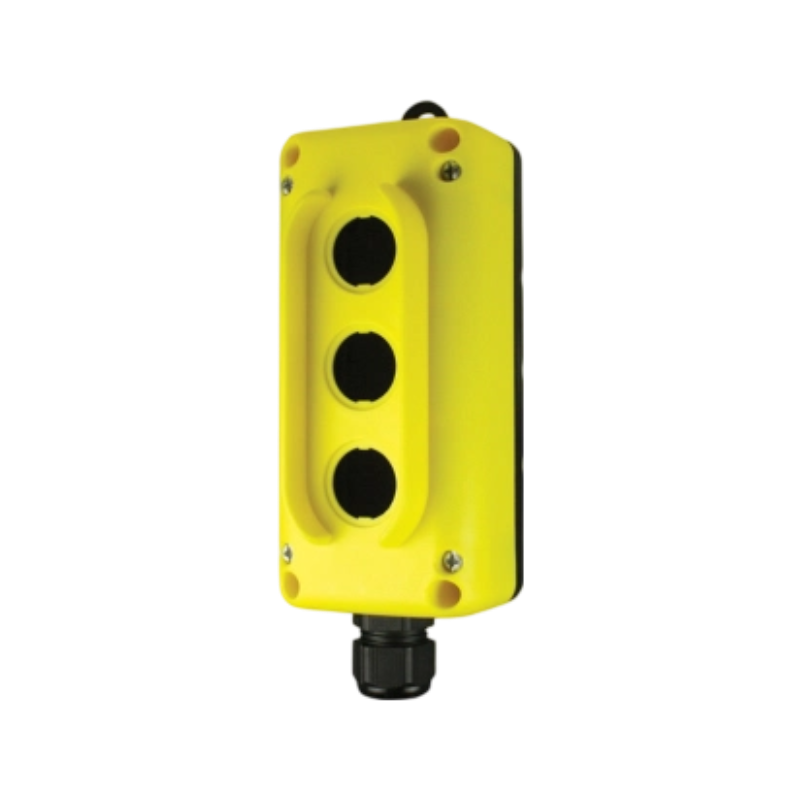
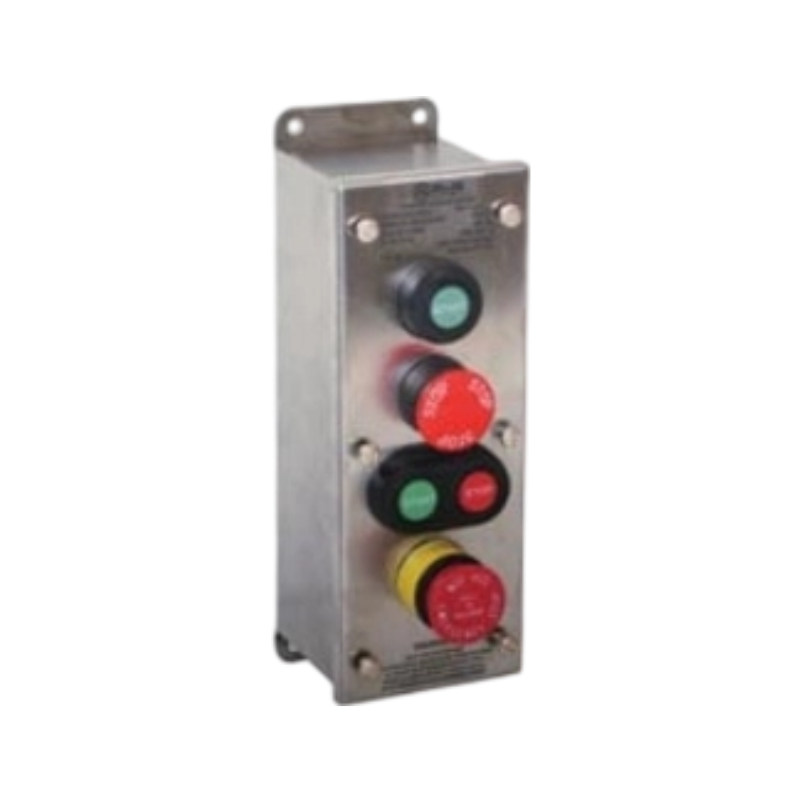
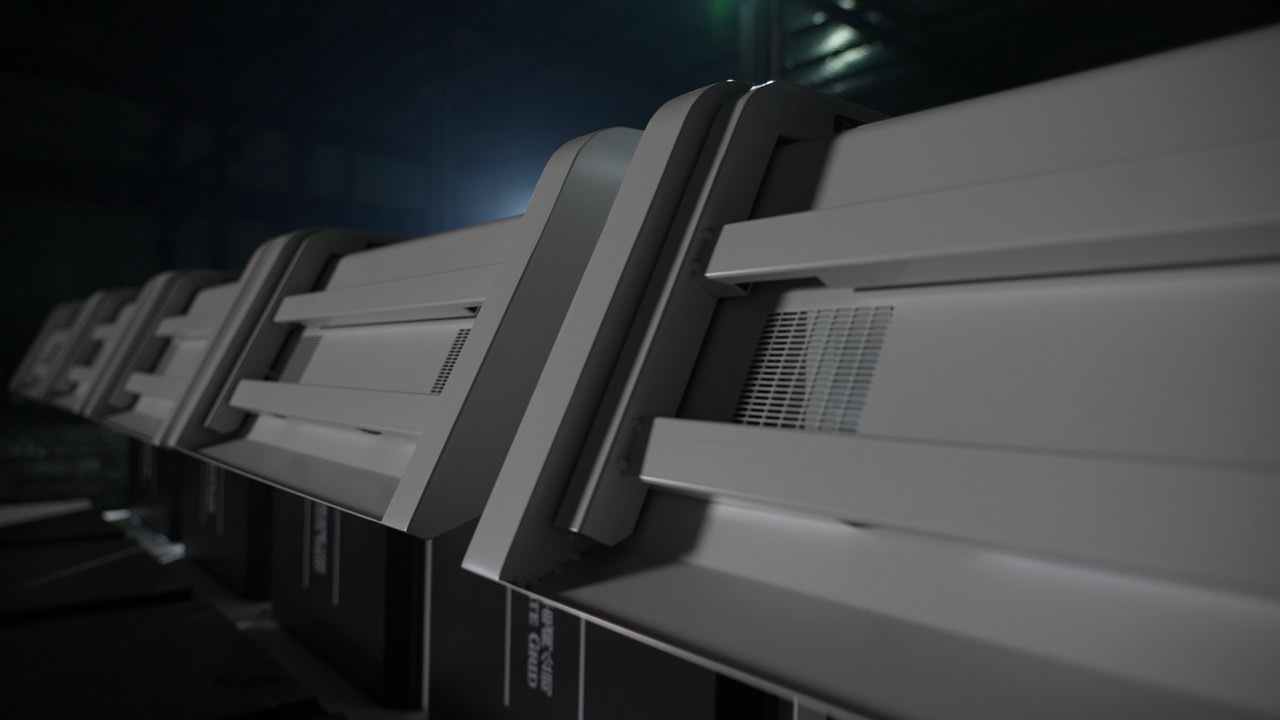
3-Hole High-Resistance Thermoplastic Control Station Enclosure
Detailed Specifications
|
Hole Layout |
Standard 3-hole panel layout supports multi-component integration |
|
Body Material |
High-resistance flame-retardant engineering thermoplastic |
|
Insulation Features |
Double-insulated and anti-aging |
Process

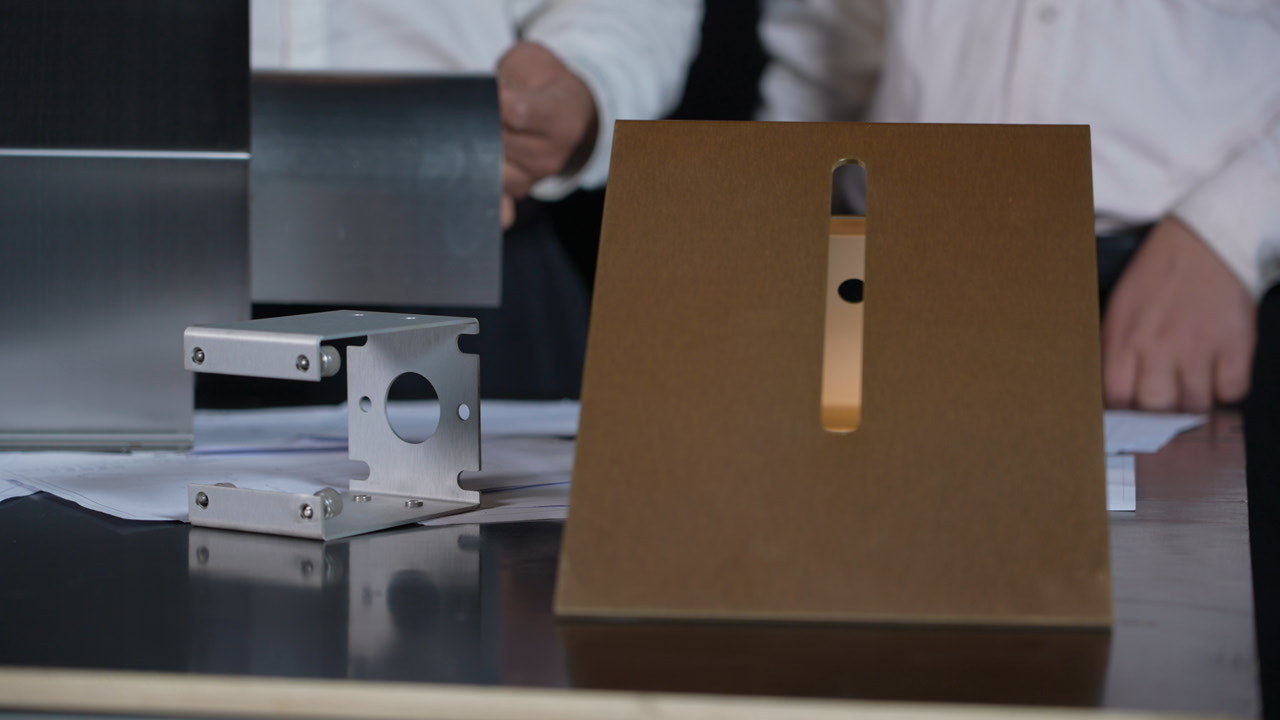
Laser Cutting
Dedicated nitrogen cutting ensures zero oxidation layer on every workpiece.

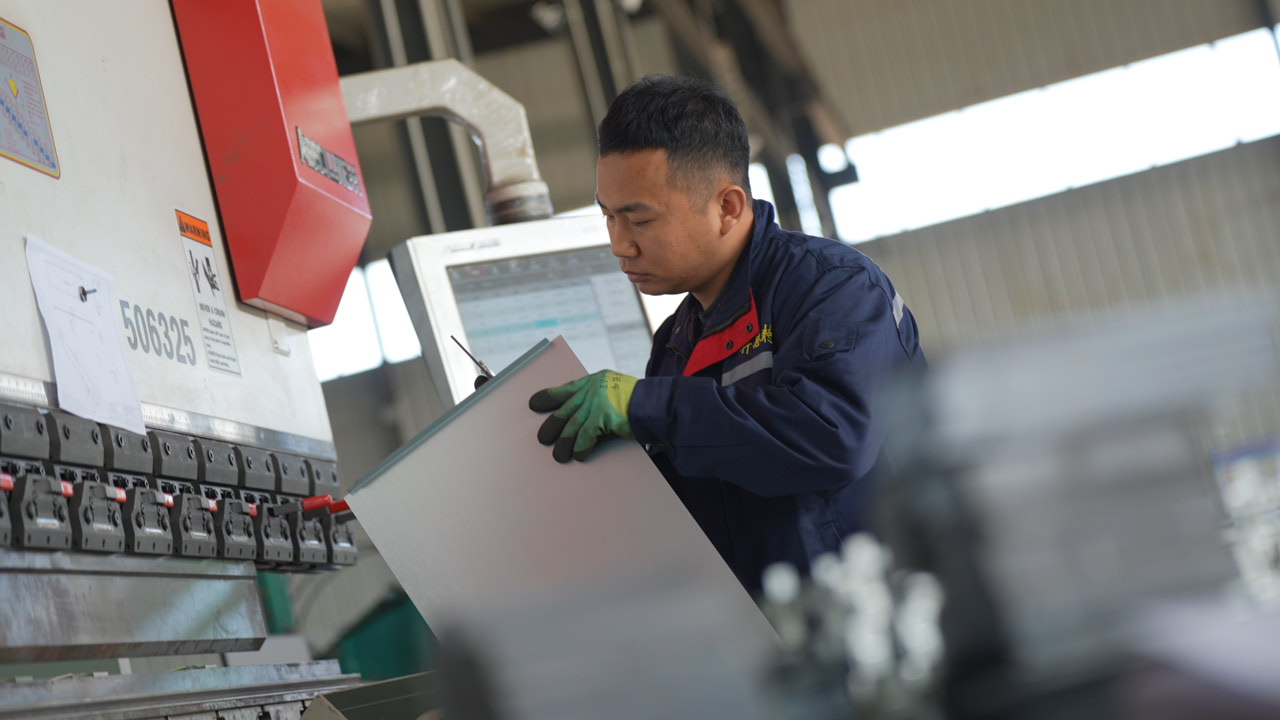
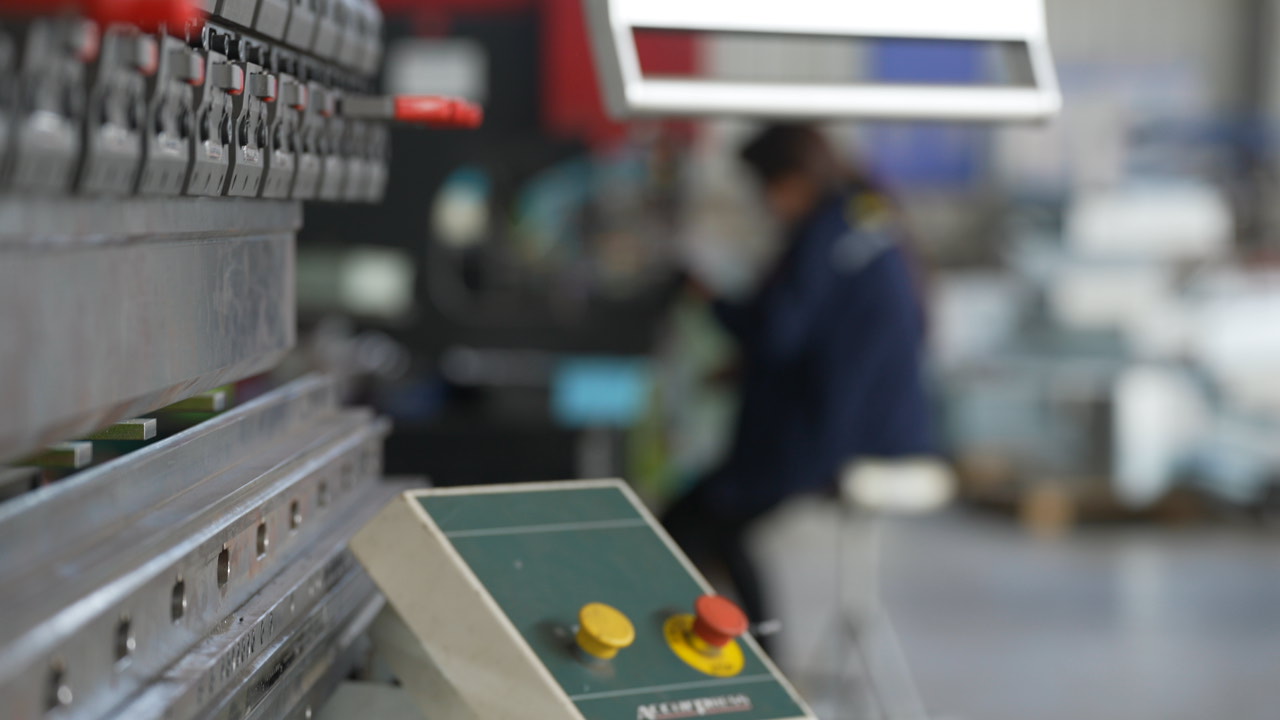
CNC Bending
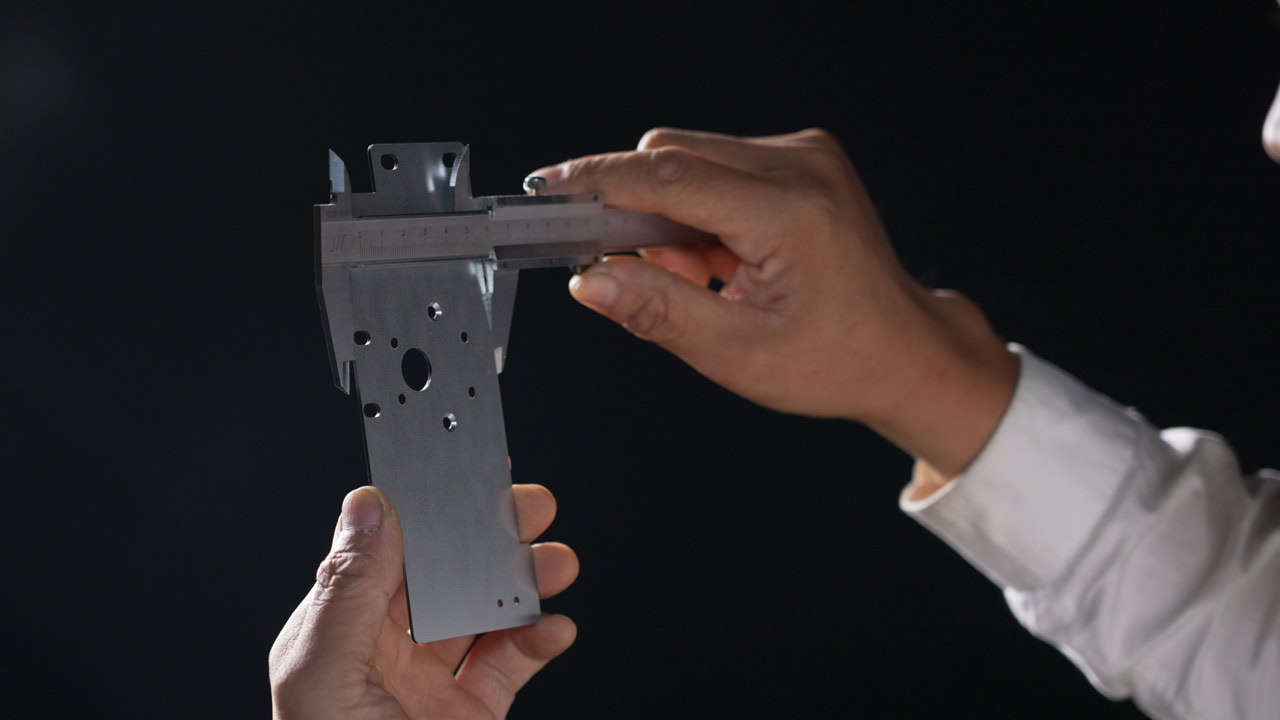
Advanced equipment guarantees precision at every step.

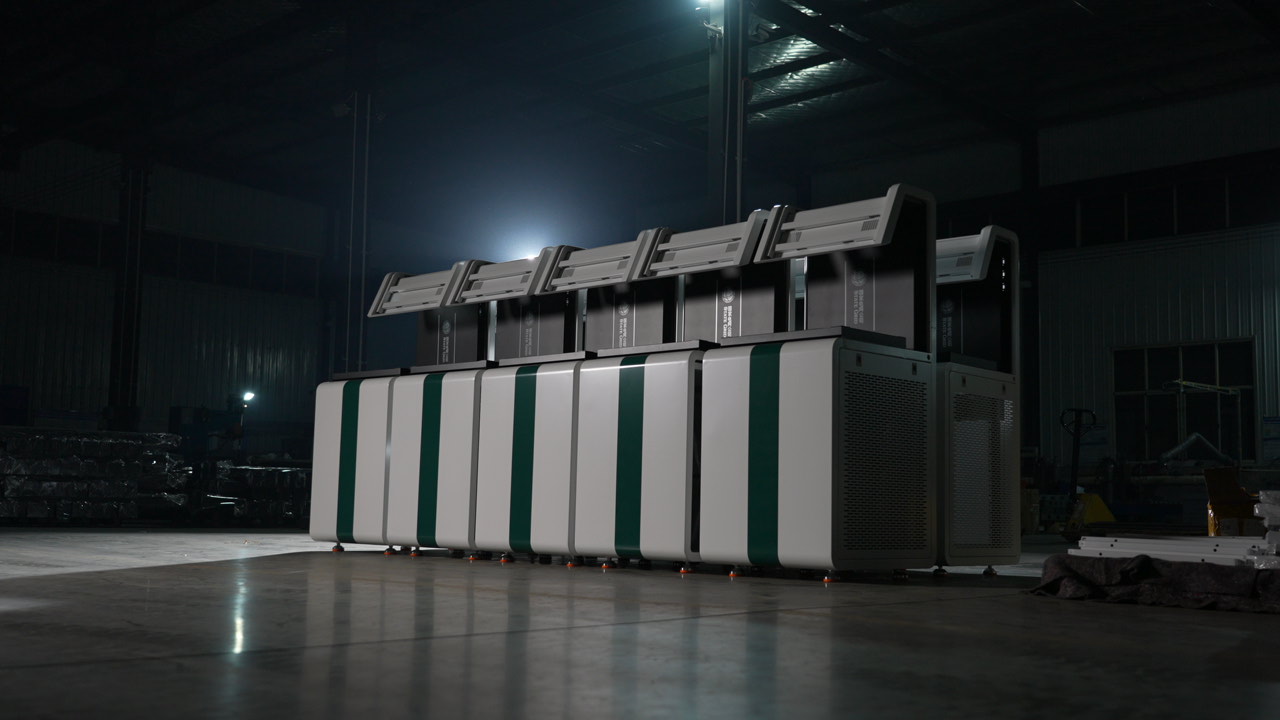
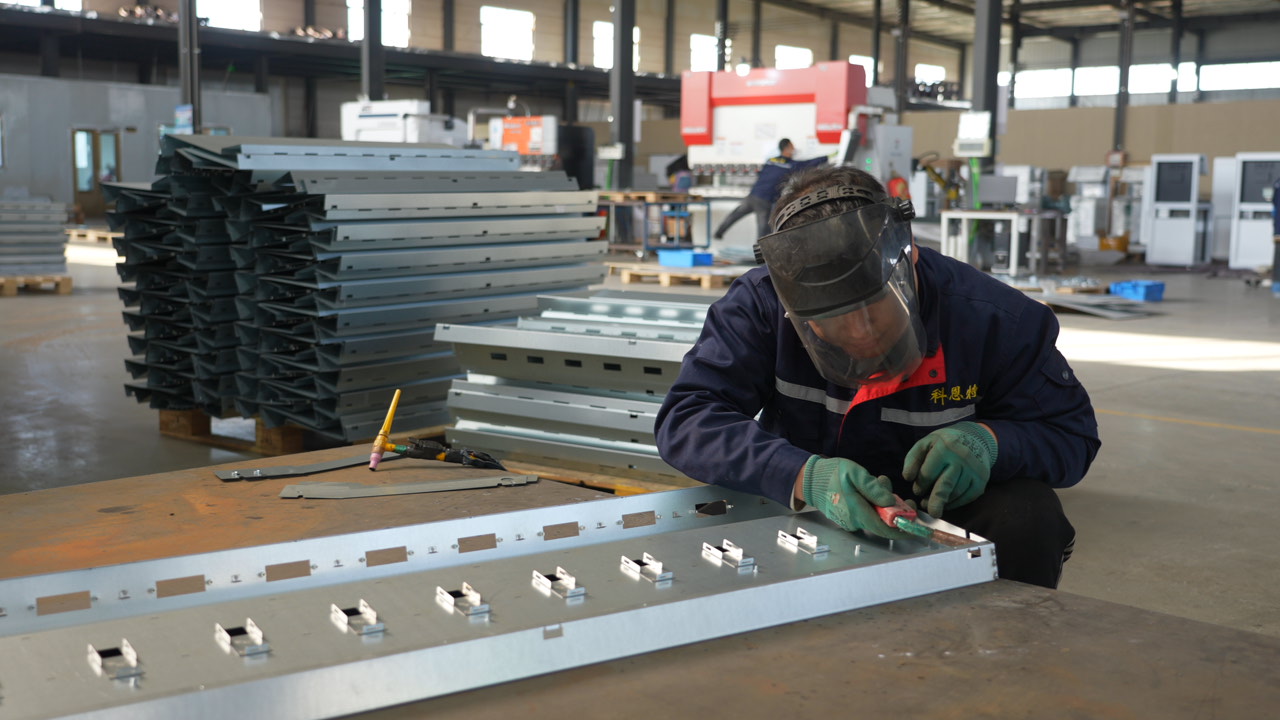
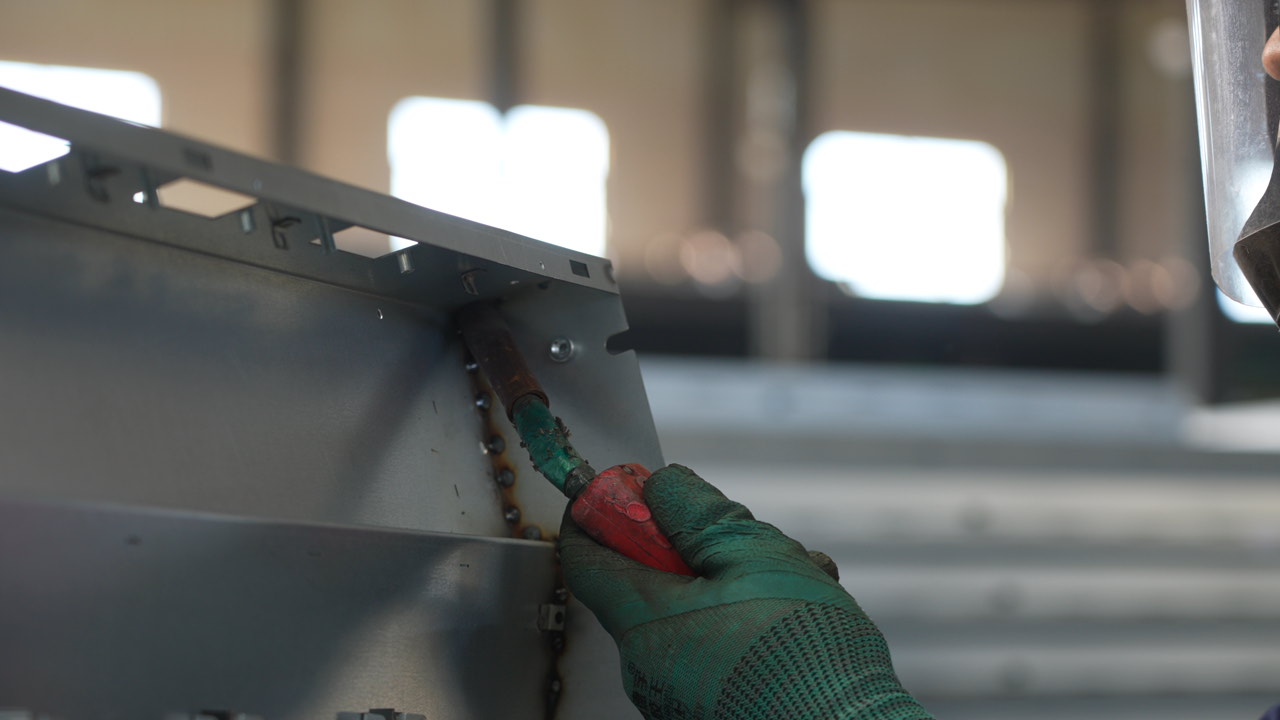
Automated Welding
Standardized welding robots deliver 10x manual efficiency with higher, more stable quality.

Surface Finishing
Options include as-machined, coating, surface treatment, heat treatment, and custom finishes.

Custom Logo
Customer-supplied logos can be printed directly on product surfaces.
Learn More
F.A.Q
01
What information is needed to customize a control station enclosure?
Provide operating environment, application, component counts and models, cutout dimensions, mounting style, cable entries, target IP or explosion-proof ratings, material specs, quantity, and destination. For petrochemical or hazardous sites, include zone classification, standards, and required certifications.
02
Can mounting methods and cable entries be customized?
Yes. Wall-mount, side-mount, bracket-mount, or custom fixings are available, along with cable entries, connector cutouts, and bottom or side entries configured for operation, cable routing, and maintenance access.
03
Can the hole count be modified for the 3-hole high-resistance thermoplastic enclosure?
"3-hole" designates standard cutouts for this model. Customizing hole counts depends on tooling, panel area, layout, and order volume. Check material specs for thermal, chemical, and mechanical ratings.
04
Where are 316 stainless steel petrochemical pushbutton control stations used?
They suit harsh industrial environments requiring high corrosion resistance, easy cleaning, or rugged materials. For petrochemical plants, damp areas, coastal sites, or corrosive environments, confirm material grades, finishes, sealing, and field standards.
05
Can explosion-proof control station enclosures be used in hazardous areas?
Suitability for hazardous areas depends on explosion protection type, gas/dust environment, temperature class, installed components, and local codes. Verify certifications, zone classifications, and permissible electrical components against project requirements.
06
Does the IP66 rating apply to all configurations of the waterproof aluminum enclosure?
IP66 ratings depend on enclosure design, seals, cover fitting, pushbuttons, cable glands, and full assembly. Refer to specific technical sheets, test reports, or certificates rather than material alone.
07
What components are installed in control station enclosures?
They typically house pushbuttons, indicator lights, selector switches, emergency stops, knobs, display units, and other field control devices. Specific types, quantities, and dimensions depend on panel cutout drawings and component specs.
08
What products are in the control station enclosure series?
The series includes IP66 waterproof aluminum control station enclosures, explosion-proof lightweight corrosion-resistant control station enclosures, 316 stainless steel petrochemical pushbutton control stations, and 3-hole high-resistance thermoplastic control station enclosures. They vary by material, installation environment, pushbutton count, and protection ratings.
Why Trust KNT
Our sheet metal fabrication services benefit numerous industries, businesses, and projects. Here are our key advantages.
One-Stop Precision Manufacturing
High Precision · Multiple Materials
Custom Expertise · Quality Assurance
Request a Quick Quote
Contact us and seewhat we can do for you.
Contact UsContact Us