

Phone
+86 13230709299

English
English
Online



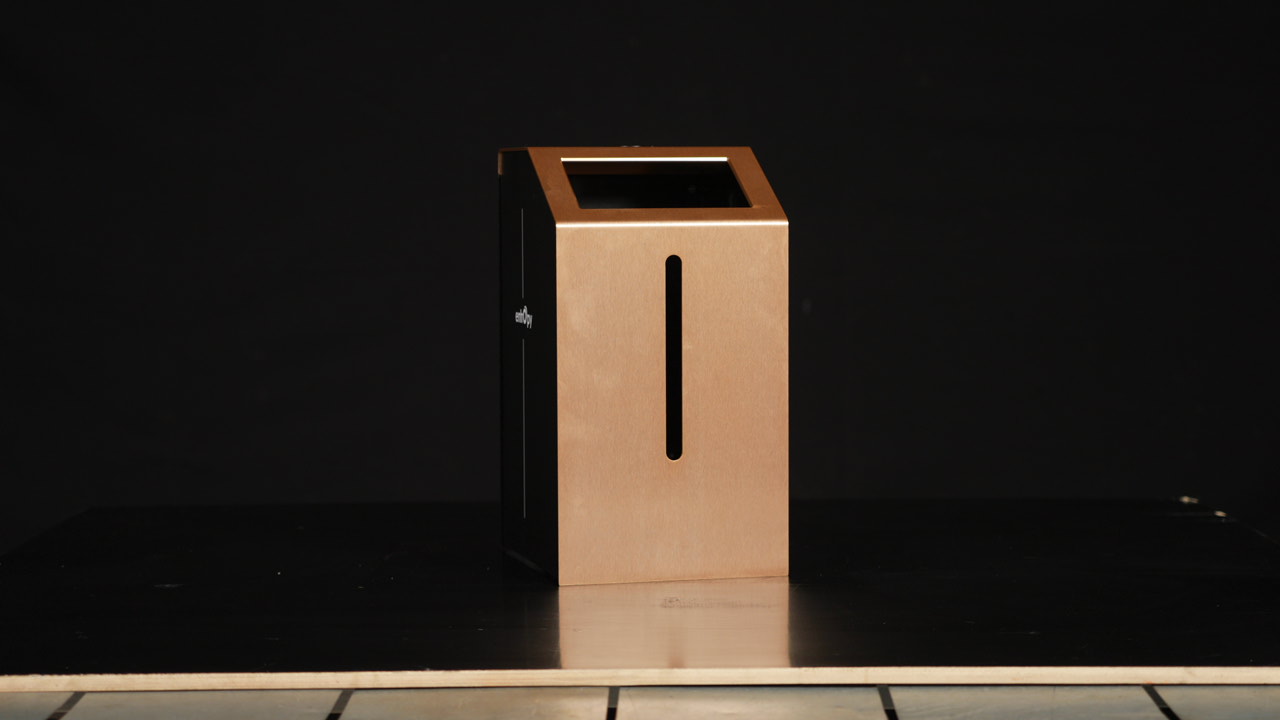
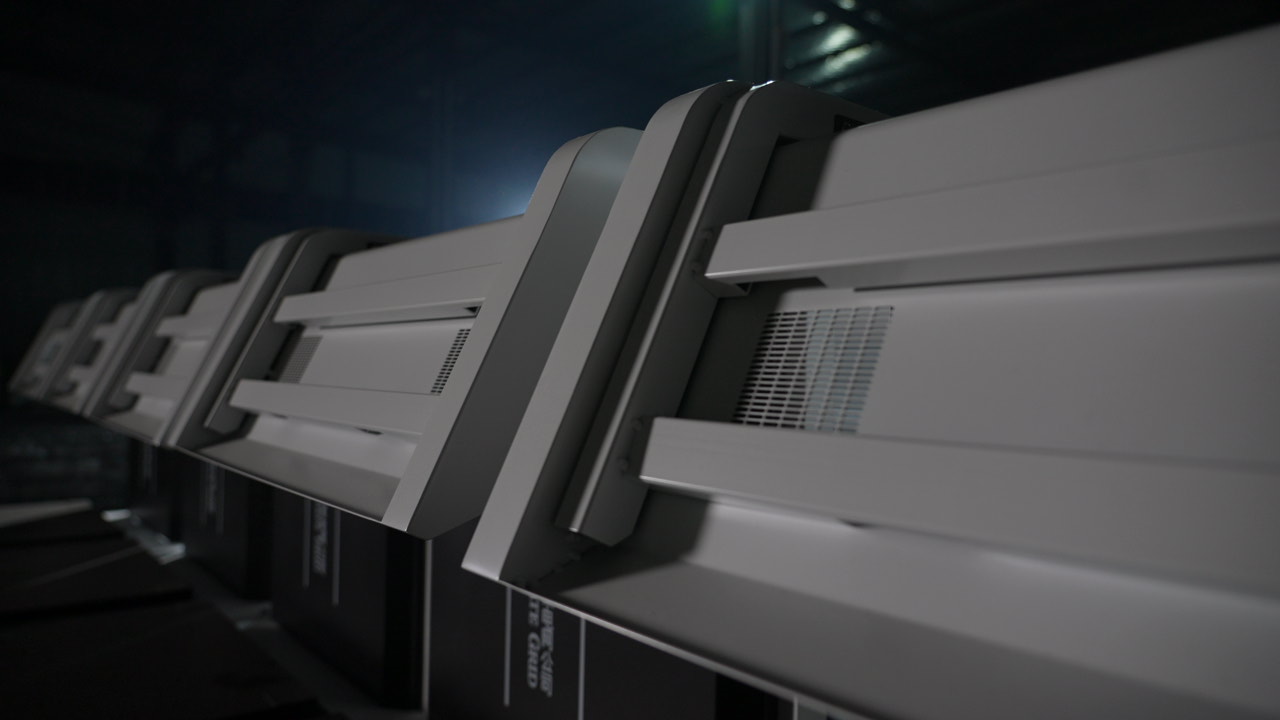
3.3kW Portable EV Charger Cabinet
Detailed Specifications
|
Power Rating |
3.3 kW portable on-board charging |
|
Structural Features |
Compact, lightweight, easy for in-vehicle carry |
|
Protection Rating |
Daily waterproof, dustproof, and drop-cushioning protection |
Process

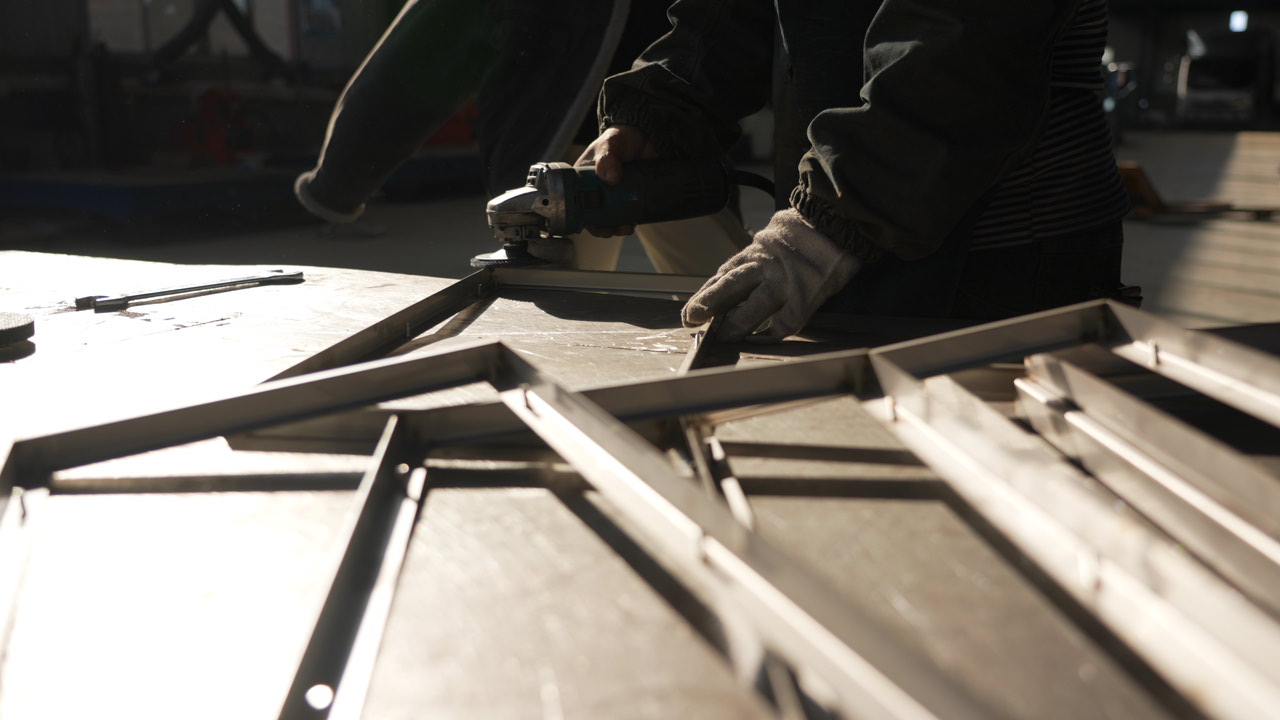
Laser Cutting
Dedicated nitrogen cutting ensures zero oxidation layer on every workpiece.

CNC Bending
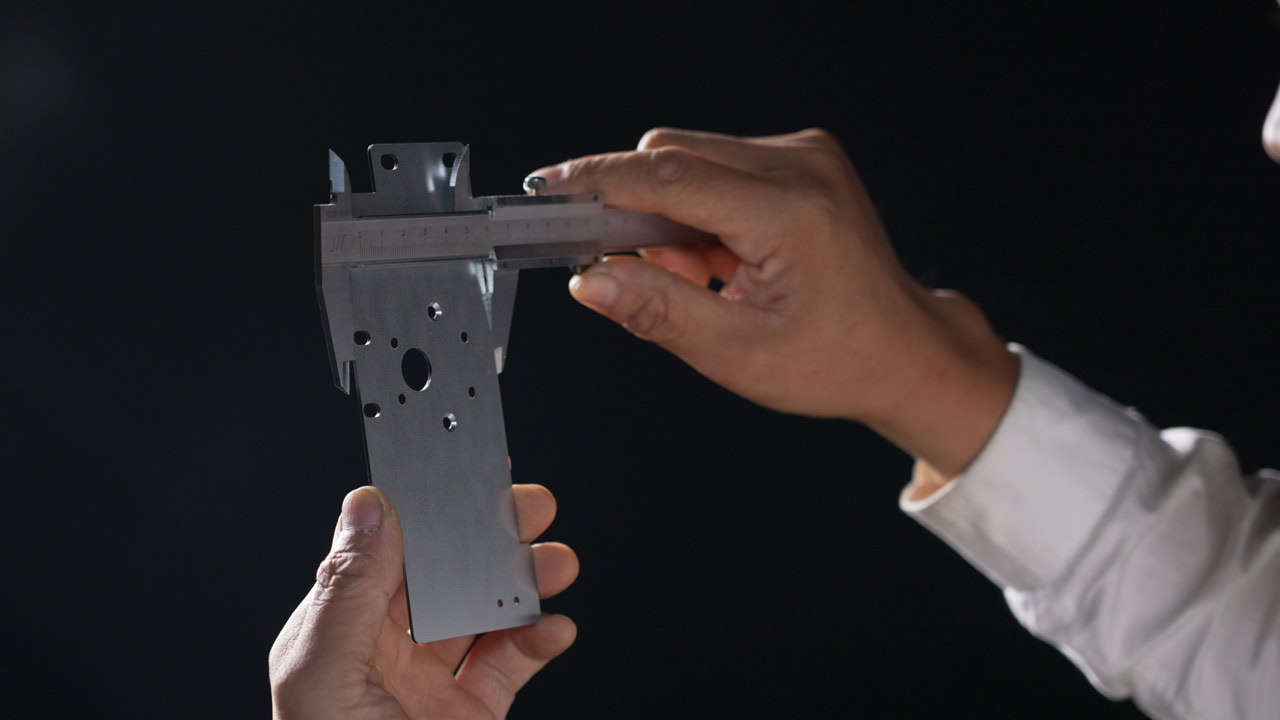
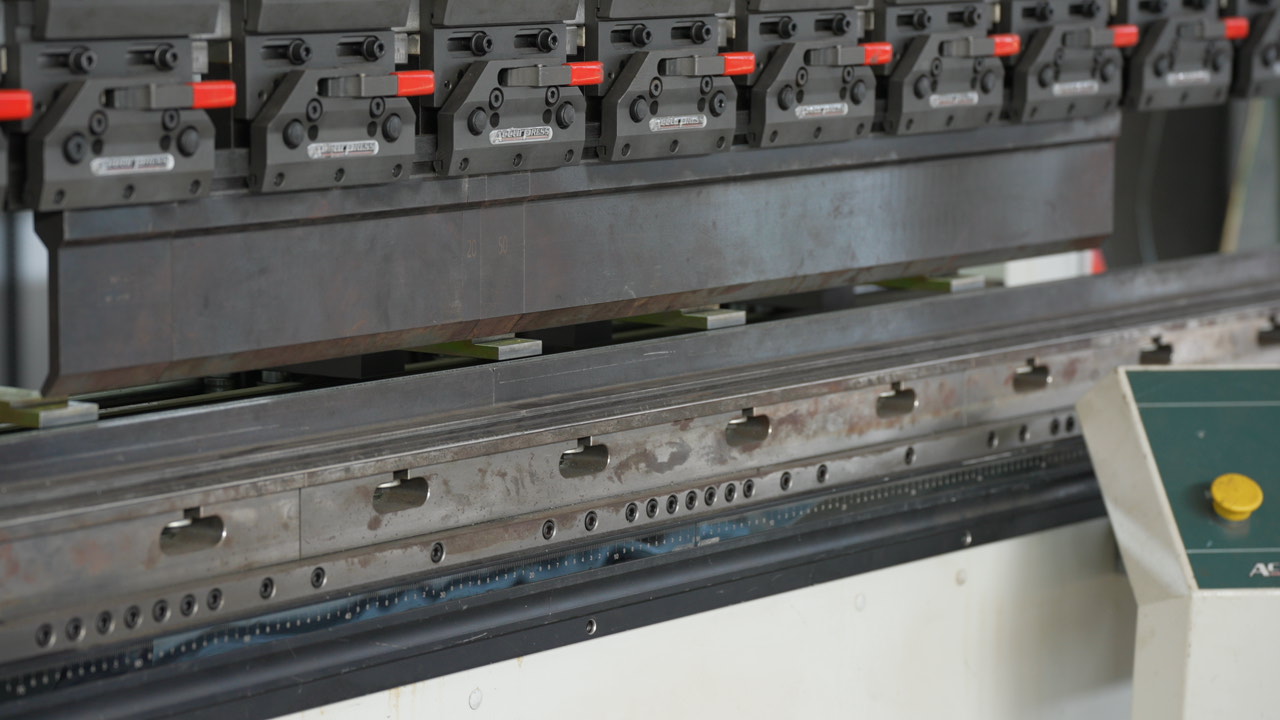
Advanced equipment guarantees precision at every step.

Automated Welding
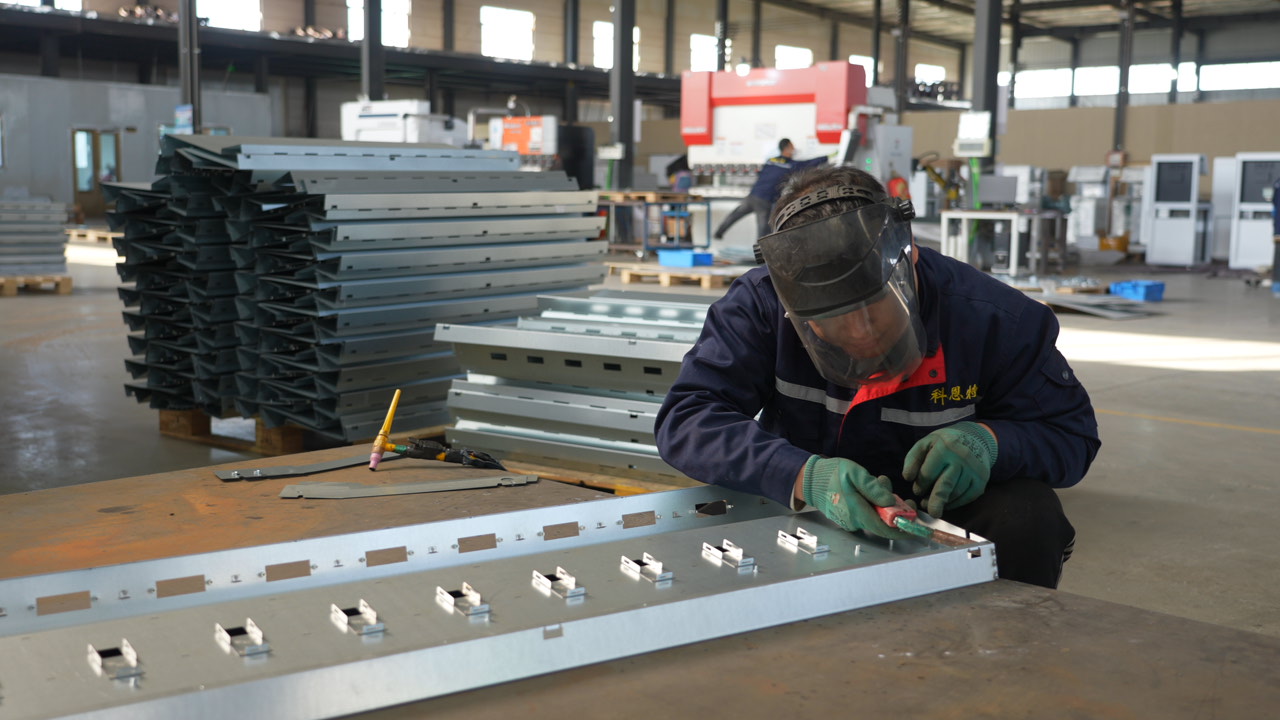
Standardized welding robots deliver 10x manual efficiency with higher, more stable quality.

Surface Finishing
Options include as-machined, coating, surface treatment, heat treatment, and custom finishes.

Custom Logo
Customer-supplied logos can be printed directly on product surfaces.
Learn More
F.A.Q
01
What details are needed to customize EV charger enclosures?
Provide system type, power, current, port/gun count, module and display sizes, mounting type, cable entries, cooling, target IP rating, materials, volume, and deployment location. For multi-gun or portable units, include cable lengths, weight, and mobility or maintenance requirements.
02
Do EV charger enclosures need thermal and protection designs?
Yes. Power modules and electricals generate heat, requiring fans, heatsinks, vents, filters, or cooling structures. Outdoor units require dust, water, drainage, sealing, and gland checks.
03
What differs between AC Type 1 16A and Level 2 50A enclosures?
They involve distinct interfaces, current specs, or standards. Confirm connectors, input power, output current, cables, and target market standards rather than relying solely on names.
04
What considerations apply to triple-gun 240kW EV cabinets?
Check multiple guns, cables, connectors, modules, cooling, weight, and service access. Simultaneous gun operation and power allocation depend on the system design.
05
How do wall-mount, floor-stand, and portable enclosures differ?
Wall-mount types suit wall/vertical surfaces; floor-standing types house more charging and cooling components; portable types prioritize weight, handles, cable storage, and mobility. Confirm structures based on dimensions and scenarios.
06
What distinguishes 7kW, 22kW, 30kW, and 240kW cabinets?
Ratings denote system configs or models. 7kW and 22kW wall units require wall mounting and space checks; 30kW DC cabinets require module and cooling checks; 240kW triple-gun cabinets demand multi-gun output, footprint, and cable management verification. Confirm via system specs.
07
What components are installed in charger enclosures?
They house charging modules, control boards, connectors, displays, metering components, breakers, terminals, cables, and cooling parts. Layouts depend on system models and BOMs.
08
What products are in the EV charger enclosure series?
The series includes 7kW wall-mounted EV charger cabinets, 30kW EV DC fast charger cabinets, high-power floor-standing triple-gun 240kW EV charger cabinets, plastic molded EV charger enclosures, AC Type 1 16A EV charger enclosures, 22kW wall-mounted EV charger cabinets, Level 2 50A EV charger enclosures, and 3.3kW portable EV charger cabinets.
Why Trust KNT
Our sheet metal fabrication services benefit numerous industries, businesses, and projects. Here are our key advantages.
One-Stop Precision Manufacturing
High Precision · Multiple Materials
Custom Expertise · Quality Assurance
Request a Quick Quote
Contact us and seewhat we can do for you.
Contact UsContact Us